





What's Happening?
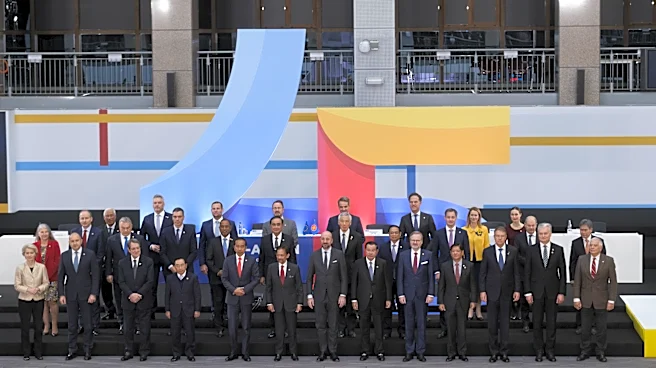
The United States is set to meet with European Union and NATO representatives in Brussels this week to discuss security guarantees for Ukraine, Europe’s postwar security arrangements, and economic opportunities for Ukraine’s reconstruction. This meeting
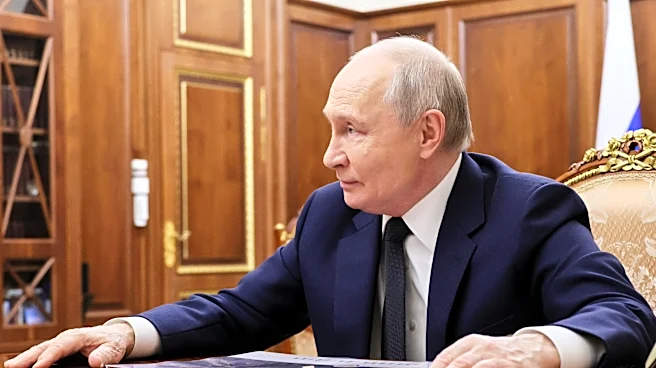
precedes trilateral talks scheduled for November 10-11 in Abu Dhabi, where negotiators from Ukraine, Russia, and the United States will convene to advance efforts to end the war. U.S. envoy Steve Witkoff announced these upcoming discussions, following his earlier meeting with Russian President Vladimir Putin in Saint Petersburg. The Abu Dhabi talks will focus on postwar security, reducing hostilities, humanitarian efforts, and potential steps toward a peace agreement. U.S. negotiators are aiming to conclude the conflict, which has lasted over four and a half years, before winter.
Why It's Important?
These diplomatic engagements are critical for the U.S. as it seeks to facilitate a resolution to the conflict in Ukraine and stabilize the European security landscape. By coordinating with European allies and NATO in Brussels, the U.S. aims to present a united front and ensure a cohesive strategy for Ukraine's future. The discussions on security guarantees are vital for establishing a framework that can deter future aggression and provide long-term stability for Ukraine. Furthermore, addressing Europe's postwar security arrangements has significant implications for NATO's role and the broader transatlantic alliance, potentially influencing defense policies and military deployments. The focus on economic opportunities for Ukraine's reconstruction also highlights the U.S.'s commitment to supporting Ukraine's recovery, which could involve substantial financial aid and investment, impacting U.S. foreign policy and economic interests in the region.
What's Next?
The immediate next step is the Brussels meeting between U.S. negotiators and representatives from the European Union and NATO. This will be followed by the trilateral talks in Abu Dhabi on November 10-11, where Ukrainian, Russian, and American negotiators will engage in discussions aimed at achieving a comprehensive and durable peace agreement. U.S. envoy Steve Witkoff has expressed optimism about building on previous progress made in Kyiv, Oslo, and Saint Petersburg. The U.S. is pushing for an end to the war before winter, indicating a desire for swift progress in these negotiations. The outcomes of these talks will determine the future trajectory of the conflict, the nature of security arrangements in Europe, and the scope of international support for Ukraine's recovery.
Beyond the Headlines
The series of high-level meetings underscores the complex and multifaceted nature of resolving the conflict in Ukraine. The U.S.'s proactive role in mediating these discussions reflects its strategic interest in maintaining global stability and upholding international norms. The emphasis on 'security guarantees' goes beyond immediate ceasefire agreements, suggesting a long-term vision for Ukraine's sovereignty and territorial integrity, potentially involving a new security architecture for the region. The involvement of various international actors, including the EU, NATO, and the World Bank, highlights the interconnectedness of security, economic, and humanitarian challenges. The push to end the war before winter also points to the humanitarian concerns and the potential for increased suffering as temperatures drop, adding another layer of urgency to the diplomatic efforts. The success of these talks could redefine international cooperation in conflict resolution and post-conflict reconstruction.