




What's Happening?
General Xavier Brunson, commander of U.S. Forces in Korea, confirmed that the Terminal High Altitude Area Defense (THAAD) system has not been moved from South Korea to the Middle East, despite previous reports suggesting otherwise. The THAAD system, crucial
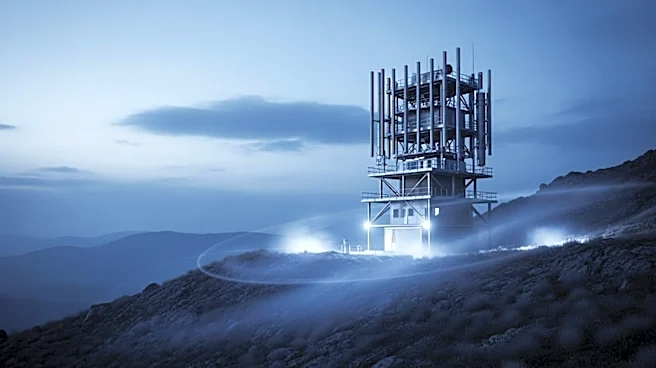
for intercepting ballistic missiles, remains on the Korean Peninsula to deter threats from North Korea. Brunson clarified that while some radar components were temporarily moved for operations in the Middle East, the core THAAD systems are still in place. This statement comes amid concerns from South Korea about the potential weakening of regional defense capabilities.
Why It's Important?
The presence of the THAAD system in South Korea is a critical component of the U.S. military's strategy to counter North Korean missile threats. Any perceived reduction in defense capabilities could have significant implications for regional security and U.S.-South Korea relations. The confirmation that THAAD remains in place helps to reassure South Korea and other regional allies of the U.S. commitment to their defense. This development also highlights the strategic importance of maintaining robust defense systems in volatile regions.
What's Next?
The U.S. military will continue to manage and deploy its defense assets strategically to address multiple global threats. The situation underscores the need for clear communication between the U.S. and its allies to prevent misunderstandings that could affect diplomatic and military relations. Future discussions between the U.S. and South Korea may focus on enhancing joint defense capabilities and ensuring the readiness of existing systems.