



What's Happening?
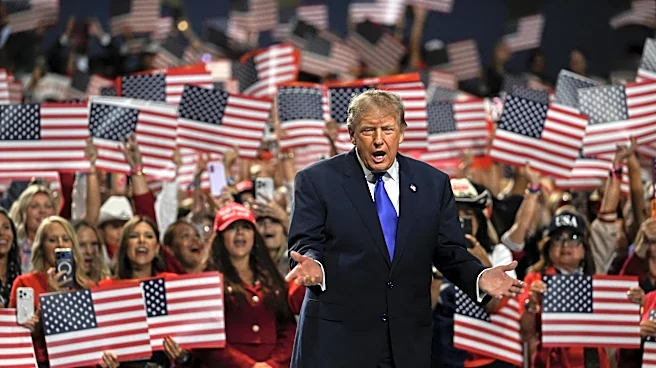
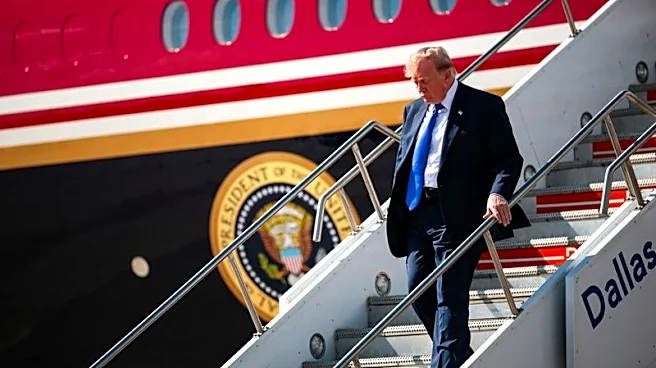
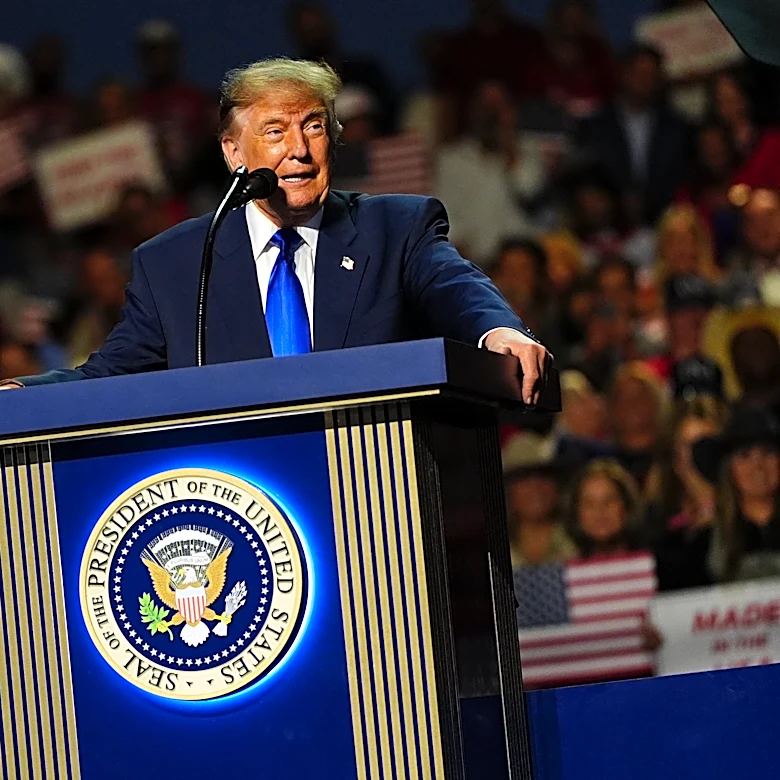
President Trump has pledged to pay every adult American a $5,000 'dividend' if Republicans secure control of both the House of Representatives and the Senate in the upcoming midterm elections. This announcement was made during the Republican Party's midterm convention
in Dallas, Texas. The proposed payment, which President Trump referred to as a 'Trump Dividend,' would cost an estimated $1.3 trillion, based on approximately 260 million adult Americans as per the 2020 Census. President Trump did not provide specific details on how these payments would be funded or implemented, nor did he clarify whether congressional authorization would be sought. He suggested the payments would stem from the country's 'tremendous economic success' and potentially from tariff revenues. This proposal follows previous instances of direct payment promises from the Trump administration, including a $1,200 stimulus payment during the COVID-19 pandemic, which was enacted, and a $2,000 'tariff dividend' that did not materialize.
Why It's Important?
This proposal carries significant political and economic implications. Politically, it serves as a major campaign promise aimed at galvanizing Republican voters ahead of the midterms, framing the election as a direct benefit to citizens. Economically, a $1.3 trillion payout could have a substantial impact on the national debt and potentially influence inflation, given the current economic climate. Economists have previously linked pandemic-era stimulus payments to rising consumer prices. The feasibility and funding mechanism of such a large-scale program would be subject to intense scrutiny and require congressional approval, making it a central point of debate in the political landscape. The promise also highlights differing approaches to economic policy between political parties, with potential consequences for federal spending and fiscal responsibility.
What's Next?
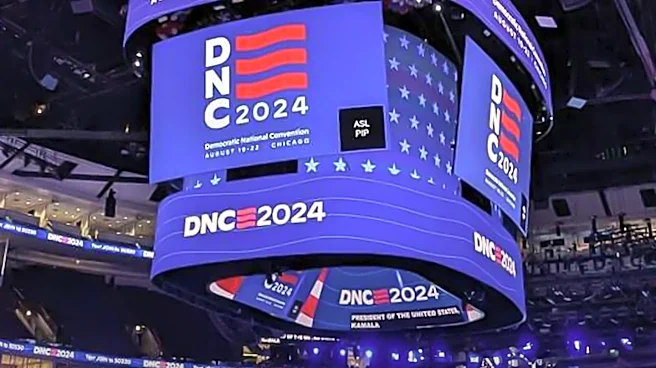
For this proposal to move forward, Republicans would first need to win and retain control of both chambers of Congress in the midterm elections. Following that, Congress would have to authorize the federal spending required for a program of this magnitude. President Trump has not detailed specific eligibility requirements beyond 'every adult American,' nor has he provided a concrete funding mechanism. Therefore, significant legislative hurdles and detailed planning would be necessary. The proposal is likely to remain a key talking point in the midterm campaigns, with both supporters and critics debating its economic viability and political motivations. The Democratic National Committee has already dismissed the idea as an 'empty promise,' suggesting strong opposition should it gain traction.
Beyond the Headlines
The 'Trump Dividend' proposal delves into deeper discussions about the role of direct cash payments as a political tool and an economic stimulus. While previous stimulus checks were framed as emergency relief, this proposal is presented as a reward for economic success contingent on electoral outcomes, blurring the lines between policy and political incentive. It also raises questions about the long-term sustainability of such large-scale disbursements and their potential to reshape voter expectations regarding government benefits. The idea of tying economic benefits directly to election results could set a new precedent in political campaigning, prompting ethical debates about vote-buying and the integrity of the electoral process. Furthermore, the proposal's potential impact on the national debt and inflationary pressures would be a critical consideration for future fiscal policy.