





What's Happening?
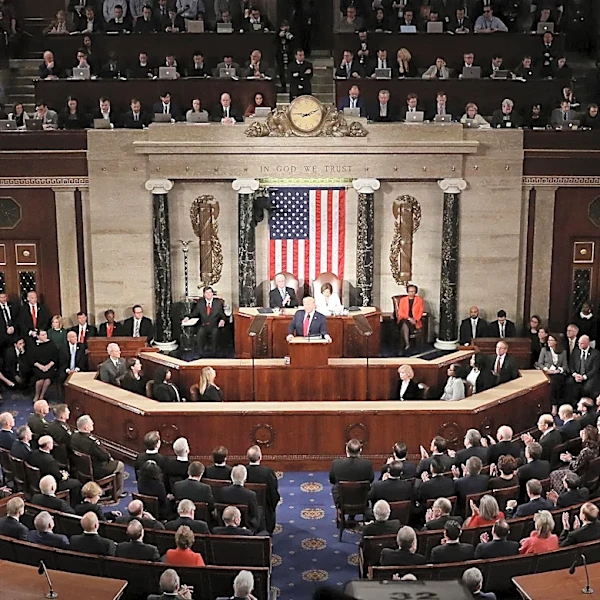
Nearly 100 national and regional organizations are urging Congress to reject a provision within the annual defense spending bill that would facilitate the expansion of a radioactive waste dump in Idaho. The provision, authored by Senator James Risch (R-Idaho)
and approved for inclusion in the Senate's National Defense Authorization Act by Senator Martin Heinrich (D-N.M.), proposes to cede 700 acres of historic Shoshone-Bannock Tribal lands along the Portneuf River. This land would be used to expand a phosphogypsum mining waste site operated by J.R. Simplot, which is part of the Eastern Michaud Flats Superfund site due to groundwater contamination. Previous attempts by J.R. Simplot to acquire these lands since 1994 have been deemed unlawful by federal courts in 2023, 2024, and 2025, with rulings consistently citing violations of the Shoshone-Bannock Tribes' treaty rights, which include fishing access to these ancestral lands.
Why It's Important?
This issue is significant because it involves a direct conflict between industrial expansion, environmental protection, and the treaty rights of Native American tribes. The proposed land exchange, if approved, would override multiple federal court decisions that have upheld the Shoshone-Bannock Tribes' rights, setting a potentially dangerous precedent for tribal sovereignty and legal protections. The expansion of a radioactive waste dump at a Superfund site raises serious environmental concerns, particularly regarding the potential for further contamination of the Portneuf River and its impact on downstream ecosystems, including salmon populations in the Snake and Columbia rivers. The inclusion of such a provision in a defense spending bill, despite its lack of direct relevance to national security, highlights concerns about legislative maneuvers to bypass judicial rulings and environmental regulations, potentially benefiting private corporations at public and environmental expense.
What's Next?
The coalition of organizations will continue to lobby Congress to remove the controversial provision from the final National Defense Authorization Act. Their efforts will focus on educating lawmakers about the legal precedents, environmental risks, and tribal rights implications. Stakeholders, including the Shoshone-Bannock Tribes and environmental groups, will likely intensify their advocacy, potentially through public awareness campaigns and direct engagement with congressional members. The legislative process for the defense spending bill will involve negotiations between the House and Senate, where the fate of this provision will be decided. If the provision remains in the final bill and becomes law, it could lead to further legal challenges from the Shoshone-Bannock Tribes and environmental organizations, potentially escalating the conflict to higher courts or prompting calls for federal intervention to protect tribal rights and environmental integrity.
Beyond the Headlines
This situation exposes deeper ethical and legal questions surrounding land use, corporate influence in legislation, and the ongoing struggle for Native American treaty rights. The repeated attempts to acquire tribal lands for industrial purposes, even after adverse court rulings, underscore a persistent tension between economic development and indigenous rights. The use of a defense spending bill to push through a land exchange unrelated to national security raises concerns about legislative transparency and accountability. It also highlights the vulnerability of environmental protections and tribal sovereignty when faced with powerful corporate and political interests. The outcome of this legislative battle will not only determine the fate of the specific land in Idaho but could also influence future legal interpretations of tribal treaty rights and the process by which environmental and indigenous concerns are addressed in federal policymaking.