


What's Happening?
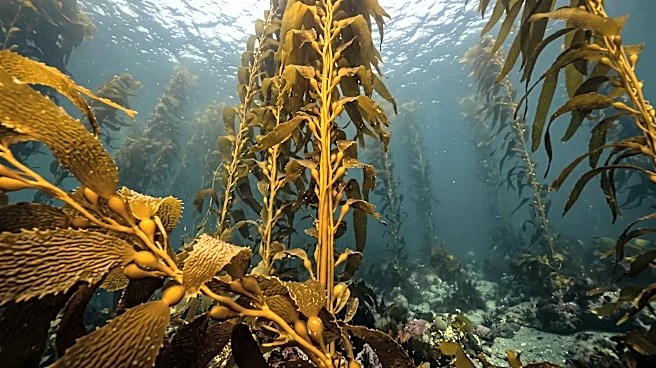
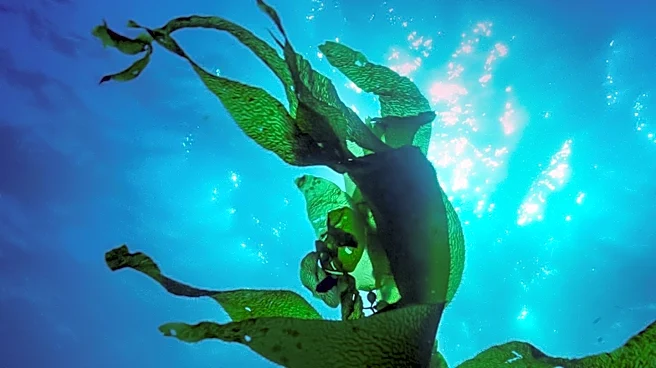
Dr. Kristen M. Michaud, a marine biologist and the newest Curator of Invertebrate Zoology at the Santa Barbara Museum of Natural History, will present her research on marine heatwaves and their impact on kelp forests at a Science Pub event. The event,
scheduled for December 14, 2026, at Dargan's Irish Pub & Restaurant, will delve into how kelp forests have responded to past marine heatwaves, specifically the prolonged 'Blob' event from 2014–2015. Dr. Michaud will utilize long-term monitoring data from her dissertation work to explain community shifts within these vital ecosystems. Additionally, she will provide insights into her current observations regarding the El Niño phenomenon and how warm-water species are expanding their ranges into local waters. The presentation aims to shed light on predicting future ecosystem responses to warming oceans.
Why It's Important?
The research presented by Dr. Michaud is crucial for understanding the ecological resilience of marine ecosystems, particularly kelp forests, which are vital for coastal biodiversity and fisheries in the U.S. Kelp forests serve as critical habitats for numerous marine species, act as carbon sinks, and protect coastlines from erosion. The impact of marine heatwaves, like the 'Blob,' on these ecosystems can lead to significant declines in kelp populations, disrupting the entire food web and affecting commercially important fish species. This has direct economic consequences for fishing industries and coastal communities. Understanding these shifts is essential for developing effective conservation strategies and marine resource management policies to protect these valuable natural assets against the increasing threats of climate change and ocean warming.
What's Next?
The insights gained from Dr. Michaud's research will likely inform future conservation efforts and policy decisions regarding marine protected areas and fisheries management. Continued monitoring of kelp forests and other marine ecosystems will be essential to track ongoing changes and adapt strategies as ocean temperatures fluctuate. The Santa Barbara Museum of Natural History's Science Pub series provides a platform for public engagement, which could foster greater community awareness and support for marine conservation. Future research may focus on developing interventions to enhance the resilience of kelp forests or identifying species that are more adaptable to warmer waters. Collaboration between scientists, policymakers, and local communities will be key to addressing the long-term challenges posed by marine heatwaves.
Beyond the Headlines
Beyond the immediate ecological and economic impacts, the study of marine heatwaves and their effects on kelp forests highlights broader ethical and environmental justice concerns. The degradation of marine ecosystems can disproportionately affect indigenous communities and small-scale fishing operations that rely heavily on these resources for their livelihoods and cultural practices. The loss of biodiversity and ecosystem services provided by kelp forests also represents an irreversible loss for future generations. This research underscores the interconnectedness of global climate patterns with local ecosystems and human societies, emphasizing the moral imperative to address climate change. It also prompts a reevaluation of human stewardship over natural resources and the need for sustainable practices that consider the long-term health of the planet.