




What's Happening?
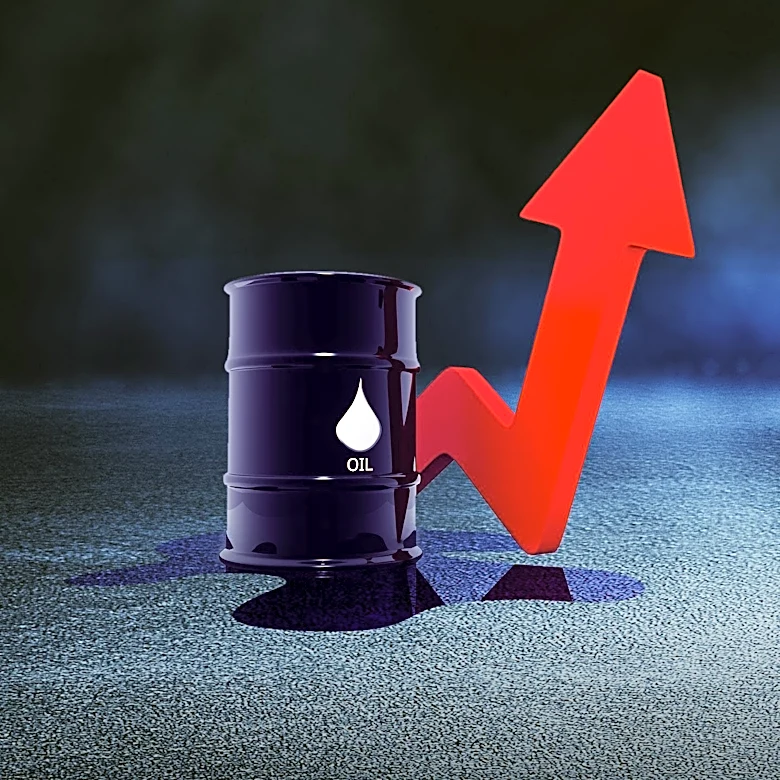
Oil prices have fallen to levels last seen before the Iran war, driven by increased supply from the Middle East. Brent crude futures for August delivery dropped to $72.68 a barrel, while West Texas Intermediate (WTI) fell to $69.58 a barrel. The decline
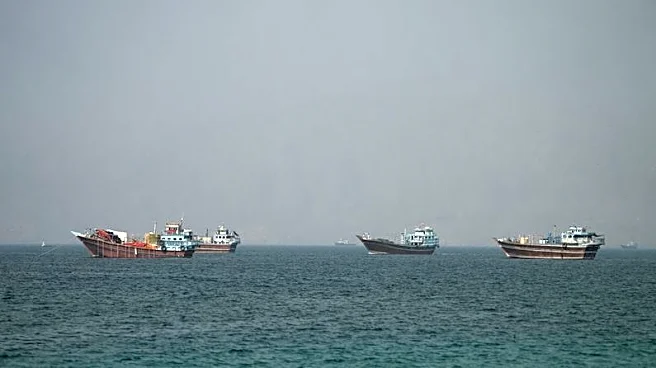
in prices is attributed to the resumption of oil flows through the Strait of Hormuz, following a temporary reprieve from US sanctions on Iran. The increased supply has eased concerns about shortages, leading to a decrease in oil prices globally.
Why It's Important?
The drop in oil prices reflects the impact of geopolitical developments on global energy markets. The resumption of oil flows through the Strait of Hormuz, a critical chokepoint for global oil shipments, has alleviated supply concerns and contributed to the price decline. This development is significant for oil-importing countries, as lower prices can reduce energy costs and support economic growth. However, for oil-exporting nations, the decrease in prices may pose challenges to revenue generation and economic stability.
What's Next?
As the situation in the Middle East stabilizes, oil markets will continue to monitor supply levels and geopolitical developments. The ongoing negotiations between the US and Iran could further influence oil prices and market dynamics. Additionally, the response from major oil-producing countries, including OPEC members, will be crucial in determining future production levels and price trends. The potential for further fluctuations in oil prices remains, depending on the outcome of diplomatic efforts and regional stability.