





What's Happening?
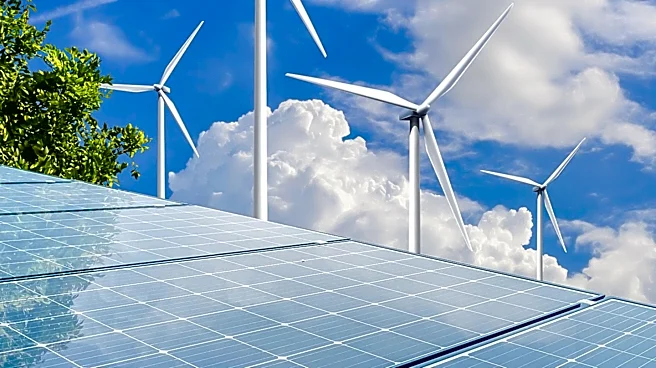
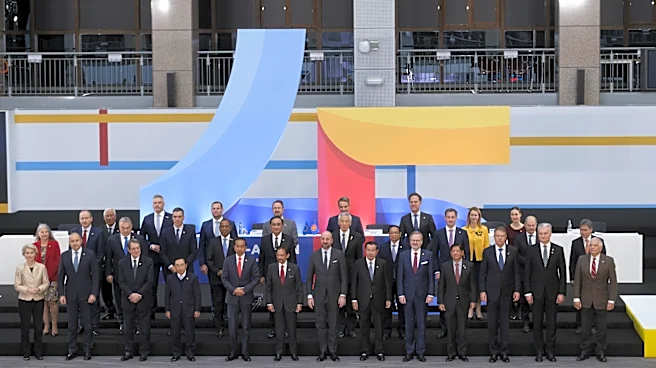
The upcoming UN climate summit, COP31, scheduled to commence on November 9 in Antalya, Turkey, will primarily focus on boosting electrification across the global economy. This involves replacing fossil fuel-dependent systems like petrol and diesel vehicles,
gas boilers, and certain industrial processes with electric alternatives. Turkey, as the host, has set an ambitious target to meet 35% of its energy demand with electricity by 2035, a significant increase from the current 20%. While electrification is crucial for reducing greenhouse gas emissions and is already gaining momentum, the summit's agenda notably omits a formal discussion on phasing out fossil fuels. This omission raises concerns among some experts who argue that electrification alone, without a simultaneous reduction in fossil fuel production, will not achieve a genuine clean energy transition.
Why It's Important?
For the U.S., the COP31's focus on electrification without a strong commitment to phasing out fossil fuels presents a complex challenge. While the U.S. is also pursuing electrification initiatives, the continued expansion of fossil fuel production globally, including in the U.S., could undermine these efforts. The data center boom in the U.S., for instance, is already driving increased demand for electricity, often met by gas and coal-fired power plants. This highlights that electrification, if not powered by renewables, can inadvertently perpetuate fossil fuel reliance. Furthermore, the growing geopolitical competition over clean technologies, particularly with China's dominance in manufacturing and raw materials, poses a significant dilemma for U.S. policy. The U.S. aims to protect domestic industries and restrict China's technological development, but achieving global electrification targets necessitates access to Chinese technologies, creating a tension between national security and climate goals.
What's Next?
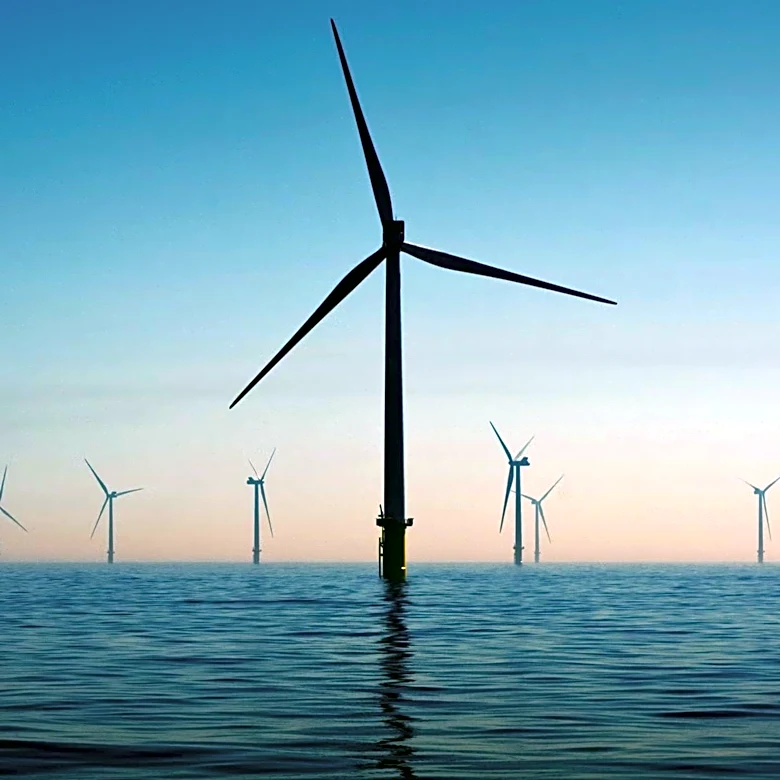
The COP31 summit's emphasis on electrification will likely accelerate global efforts to transition to electric vehicles and renewable energy sources. However, without a binding commitment to phase out fossil fuels, governments, including the U.S., may continue to approve new fossil fuel projects, driven by energy security concerns or economic interests. This could lead to a scenario where increased electricity demand is met by a mix of clean and fossil fuel sources, slowing down the overall decarbonization process. The U.S. will need to navigate the delicate balance of promoting domestic clean technology manufacturing while potentially relying on Chinese supply chains for critical components. The outcome of COP31 could influence future international climate negotiations and the strategies adopted by individual nations, including the U.S., in their pursuit of a clean energy transition. The debate over whether electrification can truly deliver a clean energy transition without addressing fossil fuel supply will continue to be a central theme.
Beyond the Headlines
The COP31's approach to climate change, prioritizing electrification while largely sidestepping the fossil fuel issue, reveals a deeper political and economic struggle. It suggests that the 'harder political task' of securing binding commitments to phase out fossil fuels is being deferred, possibly due to the significant economic and geopolitical implications for fossil fuel-producing nations, including the U.S. This strategy could be seen as a pragmatic attempt to find common ground, but it risks creating a false sense of progress if the underlying issue of fossil fuel supply is not addressed. The reliance on 'electrostates' like China for clean technologies also highlights the complex interdependencies in the global economy and the challenges of achieving energy independence while pursuing climate goals. The ethical dimension lies in whether this approach genuinely serves the long-term interests of climate action or merely postpones difficult decisions, potentially exacerbating future environmental and economic challenges.