

What's Happening?
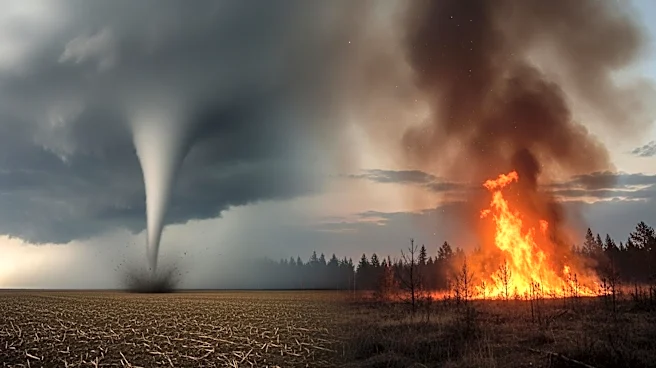
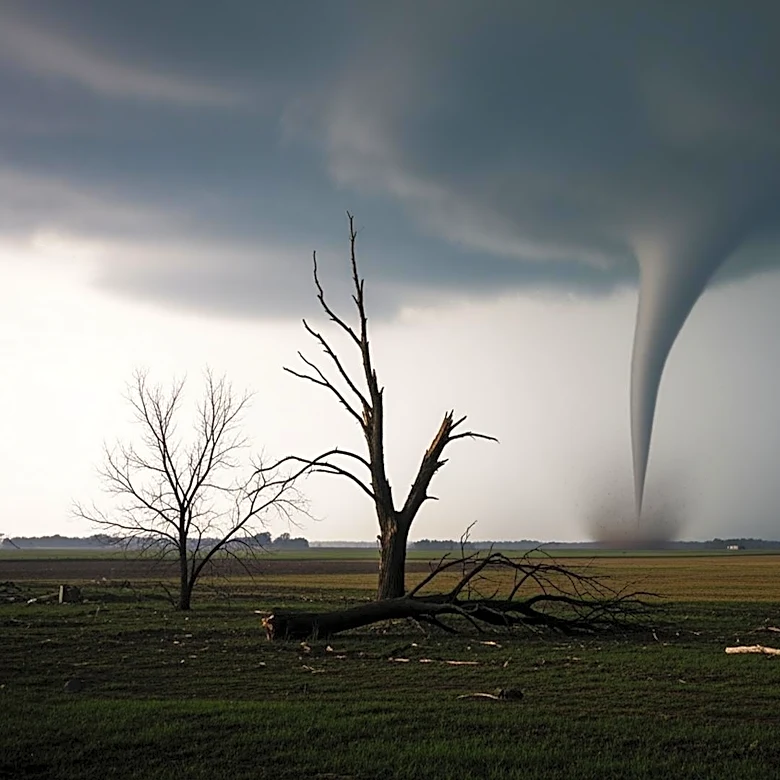
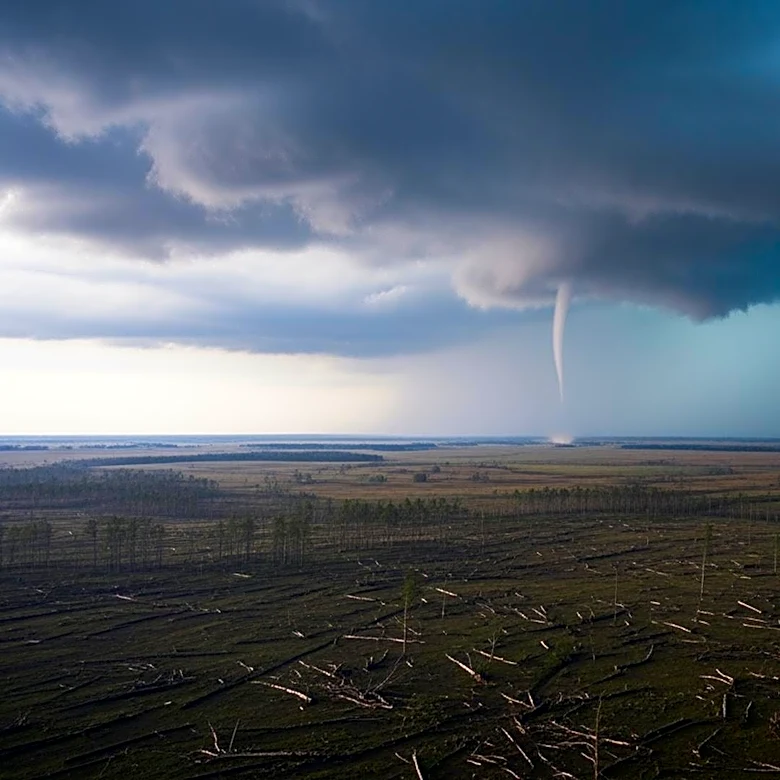
A powerful tornado struck northern Texas on Saturday night, resulting in at least two fatalities and significant damage across multiple neighborhoods in Wise County. The storm, which hit around 10 PM, has displaced at least 20 families and caused major
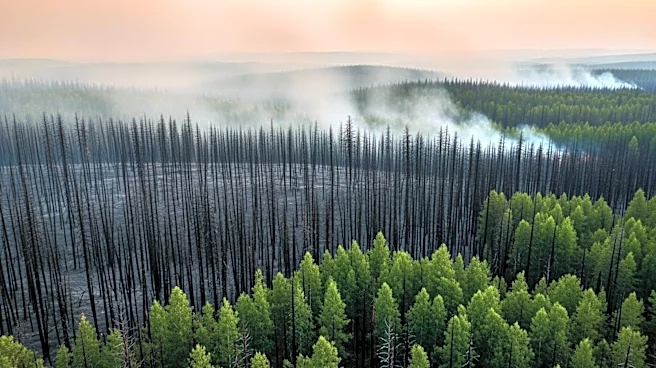
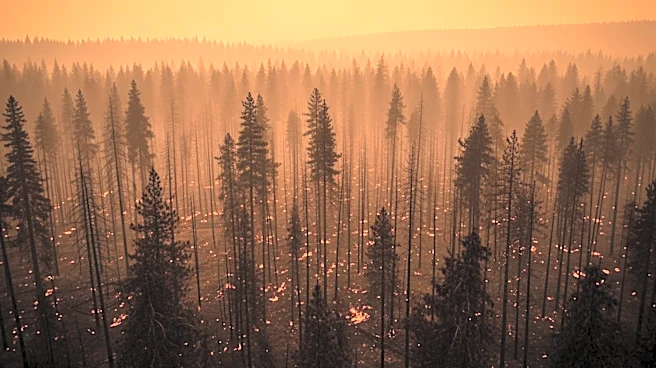
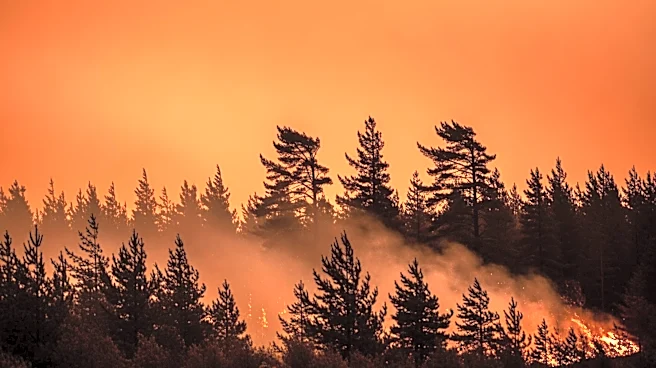
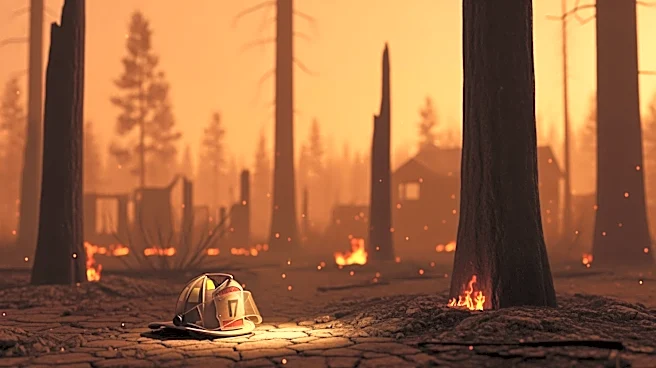
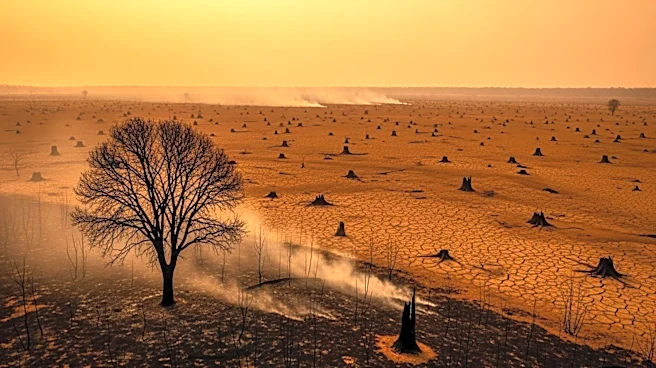
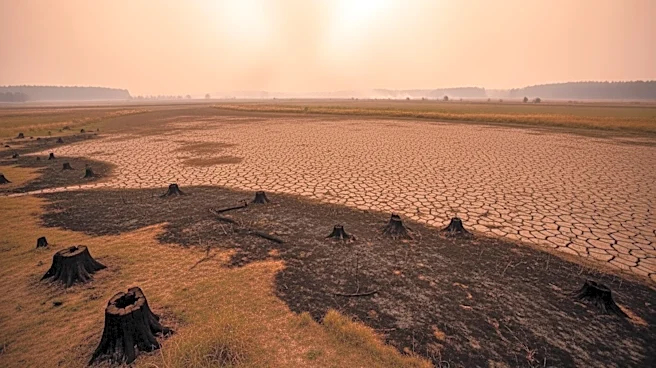
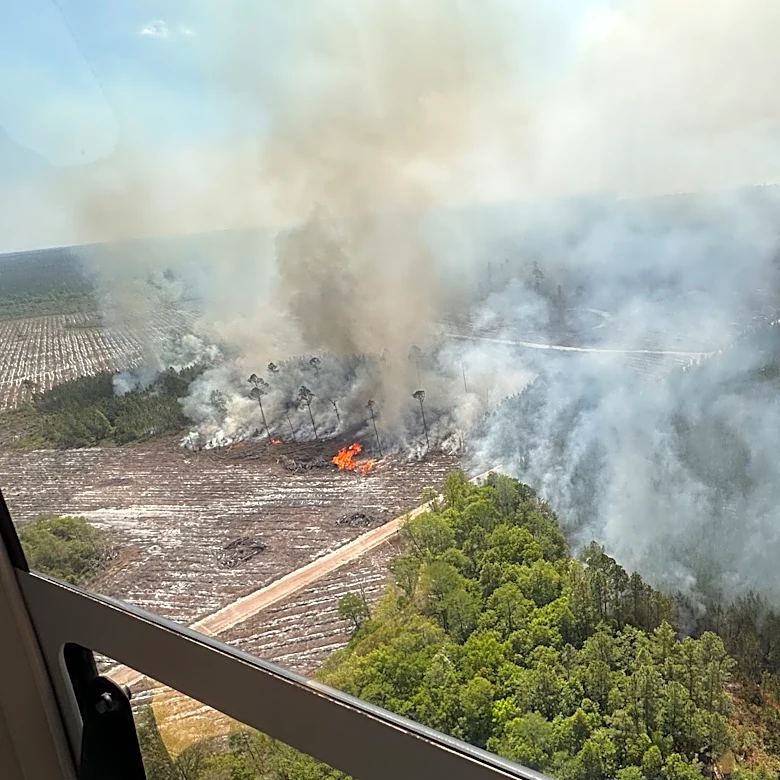
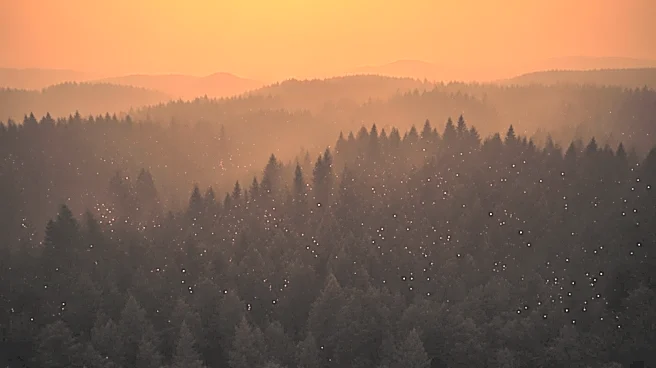
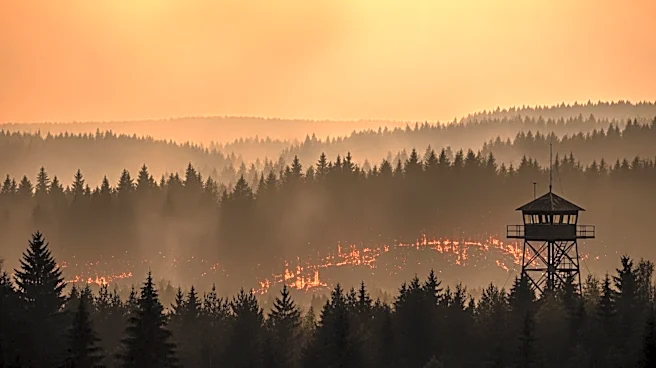
damage to homes. Emergency responders treated or transported six individuals for storm-related injuries. The National Weather Service has warned of continued severe weather, including the possibility of flash flooding. Concurrently, in Georgia, two massive wildfires have burned over 40,000 acres and destroyed 120 homes. The Highway 82 fire, which started on April 20 due to a foil balloon hitting power lines, has become the most significant home loss wildfire in Georgia's history. The Pineland Road fire, ignited by welding sparks, has also caused extensive damage. Firefighters are battling over 150 wildfires in Georgia and Florida, with air quality warnings issued due to smoke.
Why It's Important?
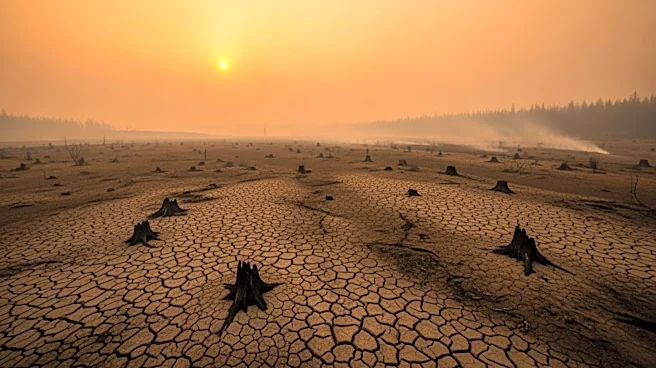
The severe weather events in Texas and Georgia highlight the increasing frequency and intensity of natural disasters, exacerbated by climate change. The tornado in Texas underscores the vulnerability of communities to extreme weather, with significant implications for emergency preparedness and infrastructure resilience. The wildfires in Georgia, fueled by drought and climate conditions, pose a substantial threat to public safety and property, stressing the need for effective fire management and climate adaptation strategies. These events have immediate impacts on the affected communities, including displacement, economic loss, and health risks from poor air quality. They also serve as a stark reminder of the broader challenges posed by climate change, necessitating coordinated efforts in disaster response and environmental policy.
What's Next?
In the coming days, residents in the affected regions must remain vigilant as severe weather conditions persist. Authorities are likely to continue issuing warnings and advisories to ensure public safety. Emergency services will focus on providing aid to displaced families and repairing infrastructure. In Georgia, efforts to contain the wildfires will continue, with firefighters working to prevent further spread and minimize damage. The situation may prompt discussions among policymakers and environmental groups about enhancing disaster preparedness and addressing the root causes of climate-related events. Long-term, these incidents could influence legislative actions on climate change and emergency management funding.