







What's Happening?
Iran has announced its decision not to participate in upcoming peace talks with the United States, citing excessive demands and contradictions from Washington. This announcement follows President Trump's declaration that U.S. envoys would travel to Islamabad
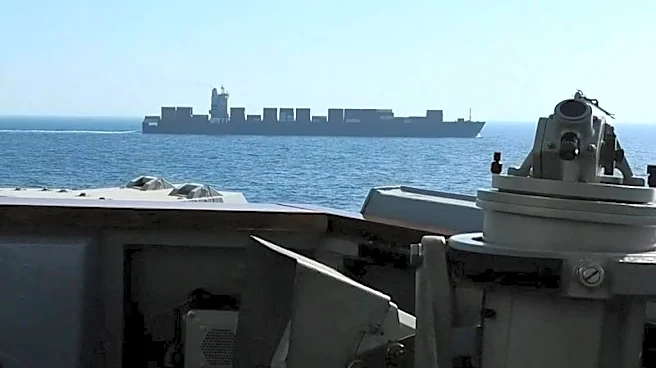
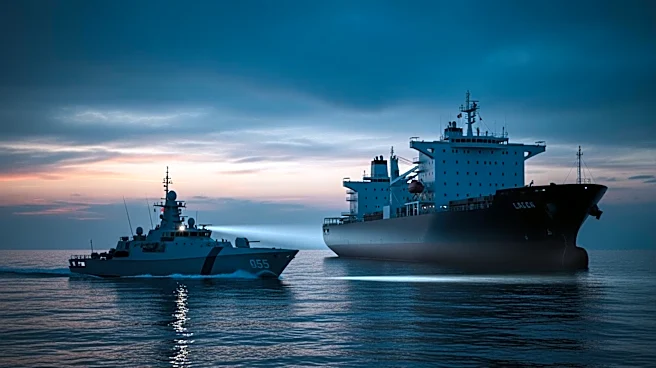
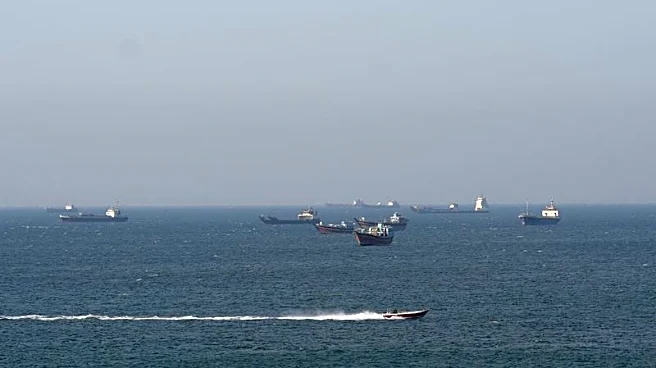
for negotiations. The U.S. has maintained a naval blockade on Iranian ports, while Iran has intermittently closed the Strait of Hormuz, affecting global oil supply. The situation remains tense, with both nations preparing for potential military and diplomatic actions.
Why It's Important?
The refusal of Iran to engage in peace talks with the U.S. underscores the complexity and volatility of the current geopolitical landscape. The Strait of Hormuz is crucial for global oil trade, and its closure could lead to significant economic repercussions, including rising oil prices. The U.S. administration's aggressive stance may further strain international relations and impact domestic politics, particularly with upcoming midterm elections. The situation also highlights the challenges of achieving a diplomatic resolution amidst conflicting interests and demands.
What's Next?
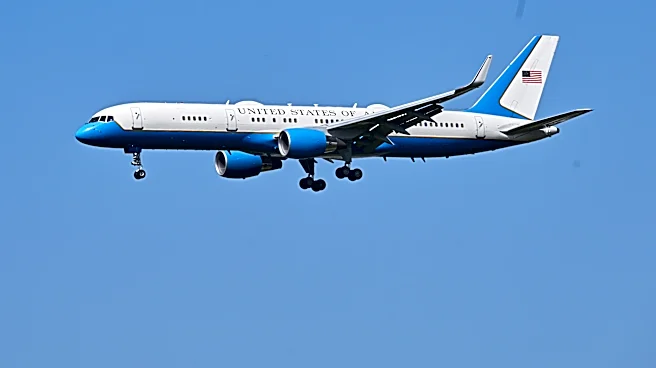
The U.S. delegation, led by Vice President JD Vance, is set to arrive in Islamabad for negotiations, despite Iran's absence. The expiration of the current ceasefire is imminent, raising concerns about potential military escalation. The international community, including European allies, is wary of the U.S. approach and the possibility of a superficial deal that fails to address core issues. The situation remains fluid, with potential implications for global energy markets and regional stability.