








What's Happening?
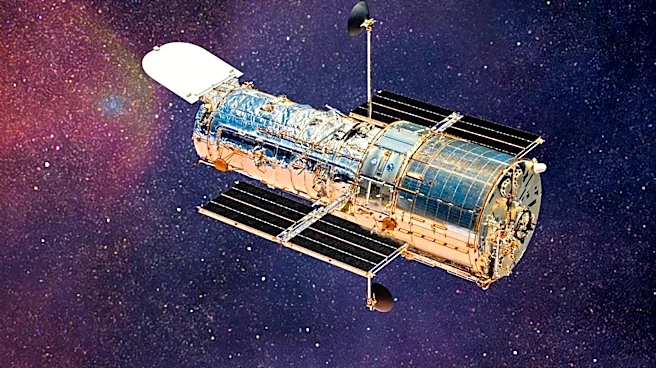
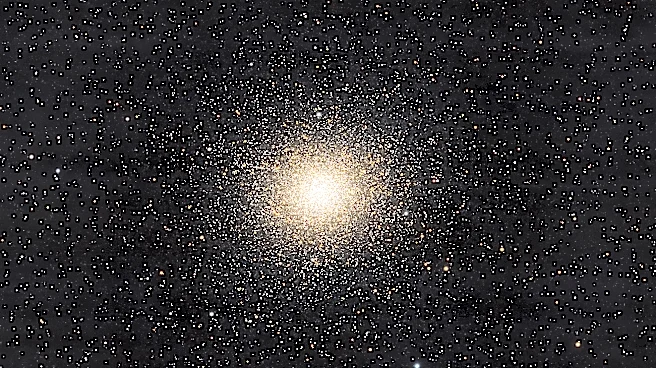
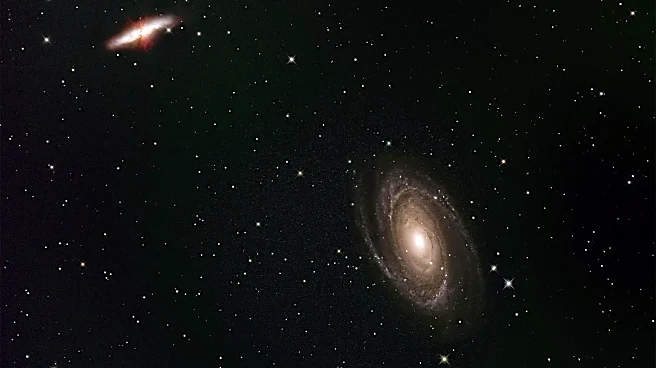
NASA has released a collection of cosmic images to commemorate the 250th anniversary of the United States. The images, captured by the Chandra X-ray Observatory, Hubble Space Telescope, and James Webb Space Telescope, feature deep-space objects in red,
white, and blue. These images include the supernova remnant Cassiopeia A, the nebula NGC 3603, the spiral galaxy NGC 4736, and the galaxy cluster ZwCl 0024+1652. The images highlight dramatic cosmic environments, such as the remains of an exploded star and a galaxy cluster shaped by dark matter. Additionally, the release includes sonifications of astronomical data, allowing audiences to experience space through both sight and sound.
Why It's Important?
This release underscores NASA's role in advancing astronomical research and public engagement. By combining data from multiple observatories, NASA provides a comprehensive view of the universe's complex structures. The patriotic theme of the images serves to connect scientific achievements with national pride, potentially inspiring public interest in space exploration. The sonification project also represents an innovative approach to making astronomical data accessible to a broader audience, including those with visual impairments.
What's Next?
NASA's continued efforts in space exploration and public outreach are likely to include more collaborative projects that utilize data from various observatories. Future releases may focus on new discoveries or significant anniversaries, further engaging the public and scientific community. The integration of sonification in astronomical data presentation could expand, offering new ways to experience and understand the universe.
Beyond the Headlines
The use of patriotic colors in the images highlights the cultural significance of space exploration as a unifying national endeavor. This approach may foster a sense of shared achievement and curiosity about the universe. Additionally, the collaboration between different telescopes and observatories exemplifies the importance of international cooperation in scientific research.