


What's Happening?
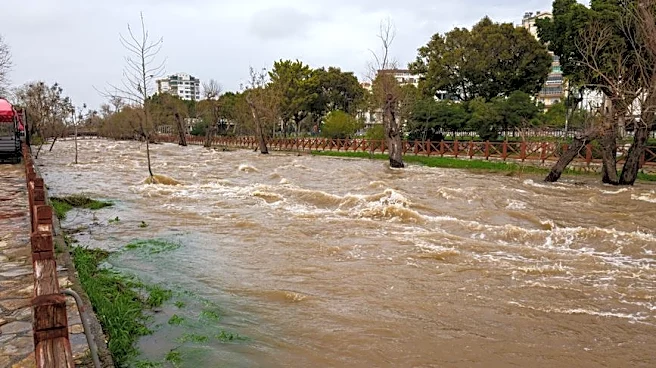
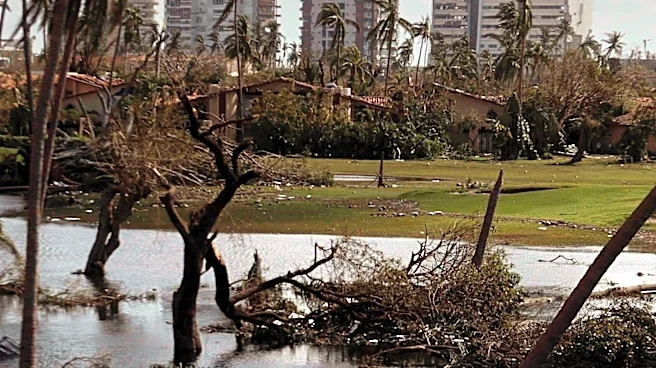
The Western U.S. is currently experiencing significant weather challenges, with record-breaking high tides impacting coastal areas and severe storms causing widespread flooding. Portions of the West Coast are being inundated by these unusually high tides.
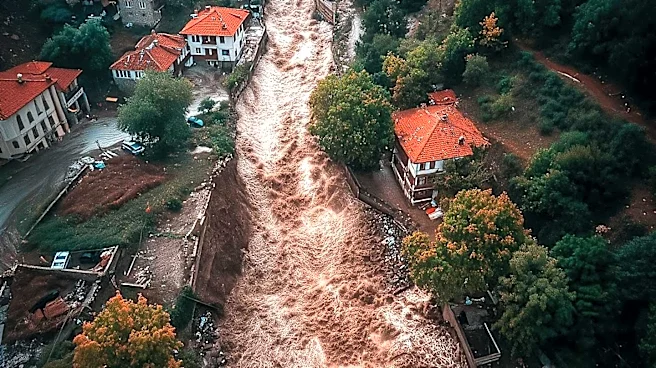
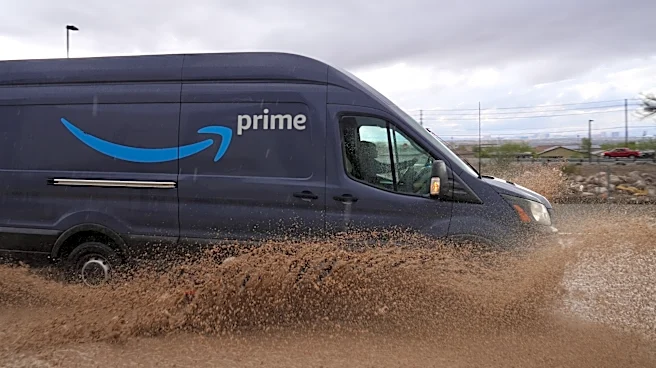
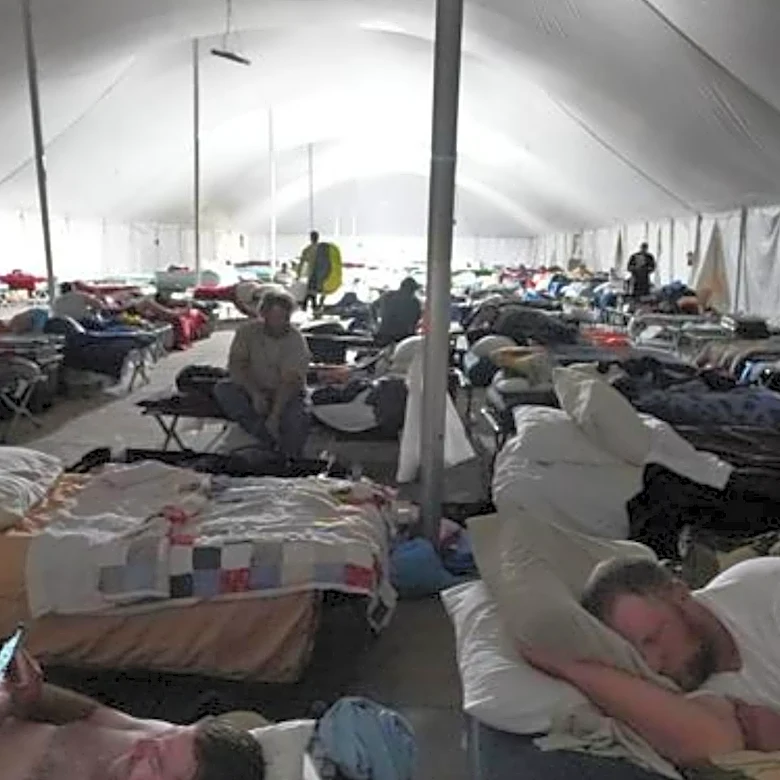
Concurrently, Arizona has been hit by heavy flooding, necessitating rescue operations. Andrew Kozak provided the forecast, indicating ongoing weather disturbances across the region. This dual impact of coastal and inland water events highlights a complex and challenging meteorological situation for several states in the Western United States.
Why It's Important?
The combination of record high tides and severe inland flooding poses substantial risks to infrastructure, property, and public safety across the Western U.S. Coastal communities face erosion, property damage, and potential displacement due to tidal surges, while inland areas contend with flash floods, road closures, and the danger of water-related accidents. This situation can lead to significant economic losses from property damage, business disruptions, and increased emergency response costs. It also places a heavy burden on local and state emergency services. The recurring nature of such events underscores the growing challenges associated with climate patterns and their impact on vulnerable regions, potentially influencing future urban planning and disaster preparedness strategies.
What's Next?
Authorities in the affected Western U.S. regions will continue to monitor weather patterns and issue warnings as needed. Emergency services will remain on high alert for rescue operations and to manage flood-related incidents. Residents in vulnerable areas are advised to stay informed about local advisories and take necessary precautions. Long-term, these events may prompt discussions and investments in coastal protection measures, improved drainage systems, and updated infrastructure to mitigate the effects of future high tides and heavy rainfall. The focus will likely shift towards recovery efforts and assessing the full extent of the damage once the immediate threats subside.
Beyond the Headlines
The severe weather events in the Western U.S., characterized by record high tides and intense flooding, underscore the broader implications of changing climate patterns. These incidents are not isolated but rather part of a larger trend of increasing extreme weather events, which can exacerbate existing environmental vulnerabilities. The economic and social costs extend beyond immediate damage, affecting insurance markets, real estate values in coastal zones, and the long-term resilience of communities. This situation also highlights the critical need for robust climate adaptation strategies and inter-agency cooperation to address complex environmental challenges that transcend state borders and impact national resources.