







What's Happening?
Global warming has reached 1.4 degrees Celsius above preindustrial levels, with fossil fuel emissions continuing to rise, pushing the Earth towards a 2.5 degrees Celsius increase this century. New research indicates that rising temperatures are causing
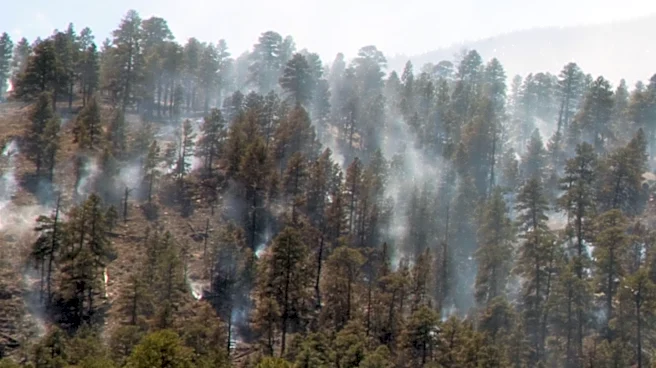
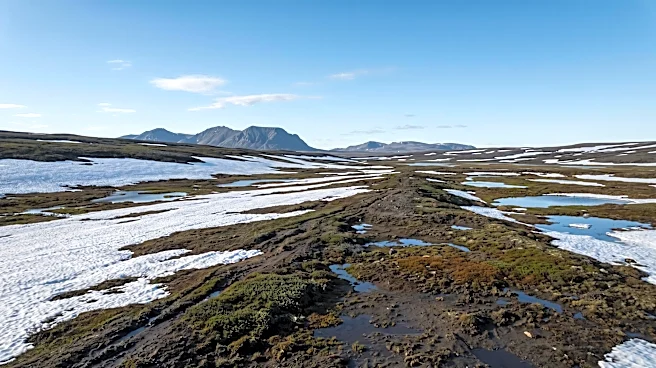
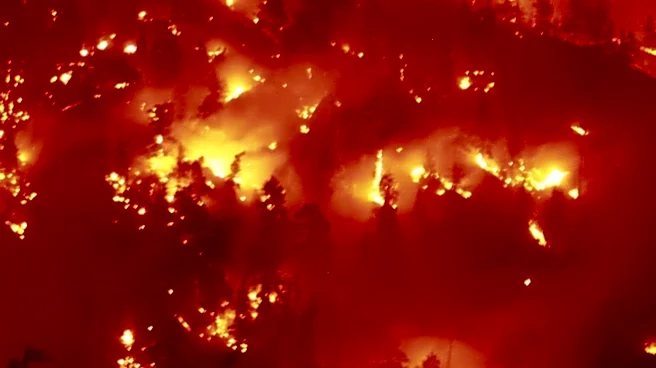
natural systems like thawing tundras, fermenting wetlands, and forests affected by wildfires to release significant volumes of emissions. These feedback loops are projected to amplify human-driven warming by an additional 20 to 30 percent. Even if net-zero emissions are achieved later this century, these natural feedbacks could add another 0.2 degrees Celsius of warming. If the world fails to reach net-zero, the added warming from these natural systems could be closer to 0.4 degrees Celsius. These emissions from natural systems are largely absent from the most influential climate models used in international climate negotiations, leading to a potential underestimation of future warming and an overestimation of the remaining carbon budget.
Why It's Important?
The omission of emissions from natural feedback loops in current climate models has significant implications for U.S. climate policy and global efforts to combat climate change. Underestimating the extent of future warming means that current mitigation strategies may be insufficient to meet international climate targets. This could lead to more severe and frequent climate impacts, affecting U.S. infrastructure, agriculture, and public health. The U.S. economy, particularly sectors reliant on stable environmental conditions, could face increased costs from extreme weather events, resource scarcity, and ecosystem degradation. Furthermore, the findings highlight a critical 'blind spot' in climate science, suggesting that a more comprehensive understanding of these natural processes is essential for accurate climate projections and effective policy development. The need to incorporate these feedback loops into models is crucial for informing robust climate negotiations and ensuring the efficacy of long-term climate action.
What's Next?
The immediate next step involves integrating these natural feedback loops into climate models to provide a more accurate picture of future warming. Researchers are actively working to forecast emissions from natural systems, particularly in remote areas like Siberia and the Congo Basin, where data is currently limited. This improved modeling will be critical for informing future climate negotiations and policy decisions, both domestically and internationally. Policymakers will need to reassess current carbon emission targets and potentially implement more aggressive mitigation strategies to account for the amplified warming. There will likely be increased pressure on governments and industries to accelerate the transition to net-zero emissions, as the window for effective action narrows. The scientific community will continue to emphasize the importance of understanding and quantifying these complex natural processes to guide global climate efforts.
Beyond the Headlines
The deeper implication of these findings is the recognition of a complex and potentially accelerating cycle of warming. The breakdown of natural systems not only contributes to emissions but also signifies a broader ecological destabilization. This creates a moral and ethical imperative to protect and restore natural environments, as their degradation directly exacerbates climate change. The challenge extends beyond technological solutions to a fundamental re-evaluation of humanity's relationship with the planet. The long-term shift could involve a greater emphasis on nature-based solutions and ecosystem resilience as integral components of climate action. It also highlights the interconnectedness of global ecosystems, where changes in one region can have far-reaching consequences, underscoring the need for international cooperation and a holistic approach to environmental stewardship.