





What's Happening?
The US Climate Prediction Center has announced that the current El Niño event, which began last month, is expected to become one of the strongest in over 75 years. Sea surface temperatures in the central and eastern equatorial Pacific have risen significantly,
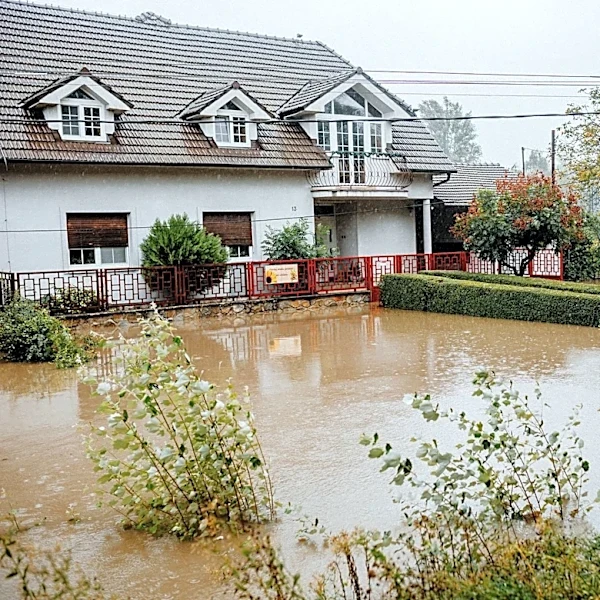
with some areas reaching 2.7°C above normal. The agency forecasts an 81% chance that this El Niño will rank among the largest events since 1950. This phenomenon is known for influencing global weather patterns, potentially causing floods, droughts, and altering hurricane activity. The El Niño is expected to strengthen through the end of the year, with a 97% chance of persisting into early spring 2027.
Why It's Important?
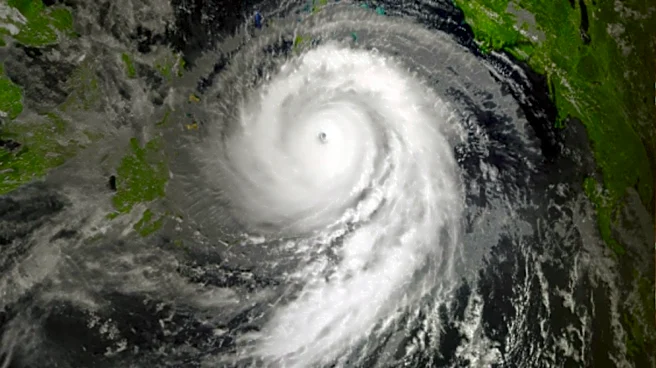
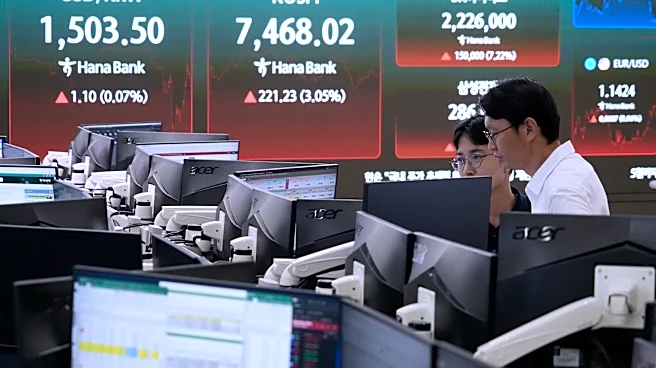
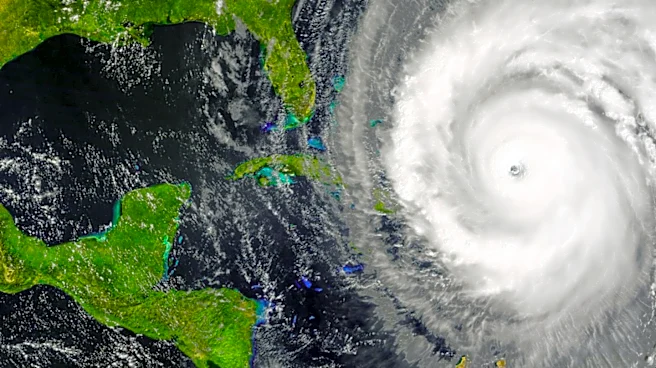
El Niño events have significant implications for global weather, affecting agriculture, energy production, and disaster preparedness. In the US, it typically results in cooler, wetter winters in the southern regions, while increasing drought and wildfire risks in places like Australia. The current El Niño has already impacted India, reducing hydroelectric power generation and straining the power grid. For the US, the event could alter hurricane activity, potentially reducing the number of storms due to increased wind shear in the Caribbean. These changes can have economic impacts, affecting sectors like agriculture and energy, and require adjustments in planning and resource allocation.
What's Next?
As El Niño strengthens, stakeholders across various sectors will need to prepare for its potential impacts. Governments and businesses may need to adjust their strategies to mitigate risks associated with altered weather patterns. This could involve enhancing disaster preparedness, adjusting agricultural practices, and managing energy resources more effectively. Monitoring and forecasting will be crucial in providing timely information to help mitigate the adverse effects of this powerful climate phenomenon.