



What's Happening?
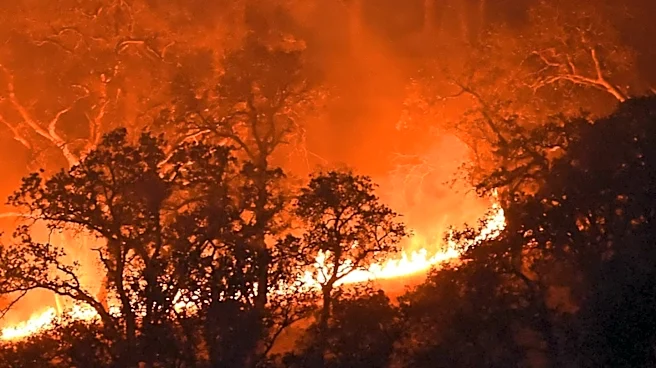
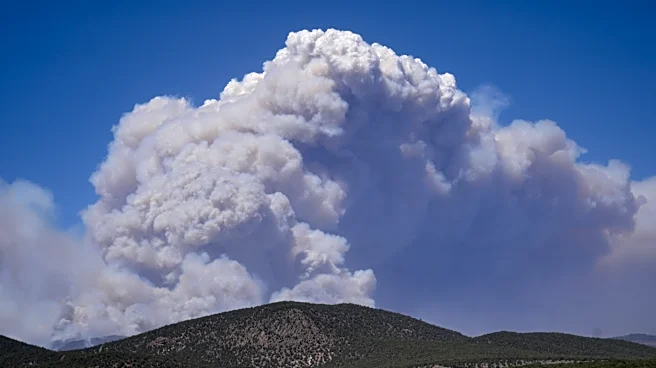
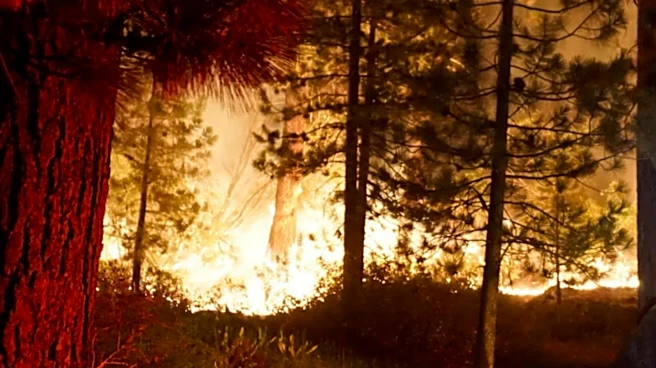
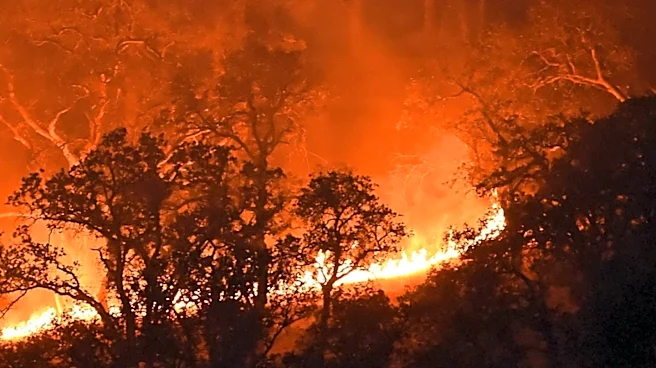
Utah is experiencing one of its most severe wildfire seasons, prompting Governor Spencer Cox to impose a ban on Fourth of July fireworks. The decision comes as the state grapples with a historic drought and unprecedented fire behavior, which have stretched
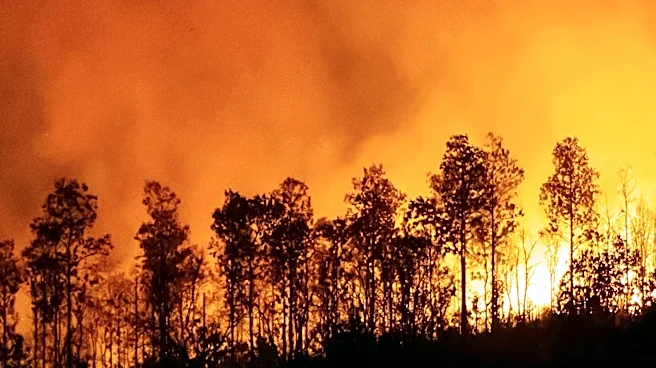
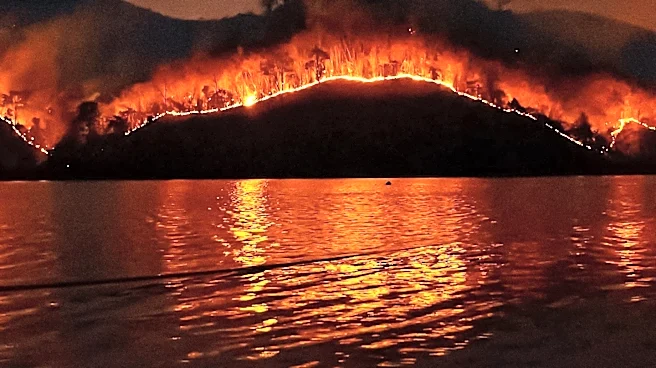
firefighting resources to their limits. More than three-quarters of the wildfires in Utah this season have been human-caused, exacerbated by dry vegetation and volatile weather conditions. The National Weather Service has issued a 'particularly dangerous situation' red flag warning, a rare designation indicating extreme fire weather conditions. The Cottonwood Fire, the largest active blaze in the state, has burned over 92,000 acres and remains uncontained, leading to evacuations and significant property damage.
Why It's Important?
The ban on fireworks is a critical measure to prevent further wildfires, which pose a significant threat to lives, homes, and the environment. The economic impact is substantial, with potential losses in tourism and property damage. The decision underscores the growing challenges posed by climate change, as extreme weather conditions become more frequent. The situation highlights the need for effective fire management strategies and public awareness to mitigate human-caused ignitions. The ongoing fires also strain state resources, requiring coordinated efforts from local and national agencies to manage and contain the blazes.
What's Next?
As the wildfire season continues, Utah officials will focus on containment efforts and assessing the damage. The state may seek additional federal assistance to support firefighting operations. The fireworks ban will remain in place, with local leaders designating safe areas for celebrations. The situation may prompt discussions on long-term strategies to address climate change and improve fire management practices. Residents are urged to remain vigilant and comply with safety regulations to prevent further ignitions.
Beyond the Headlines
The wildfires in Utah reflect broader environmental and societal challenges, including the impact of climate change on natural disasters. The situation raises ethical questions about land management and the responsibility of individuals and communities in preventing fires. The loss of cherished family retreats and natural landscapes also highlights the cultural and emotional toll of such disasters. As communities rebuild, there may be a shift towards more sustainable practices and increased advocacy for climate action.