

What's Happening?
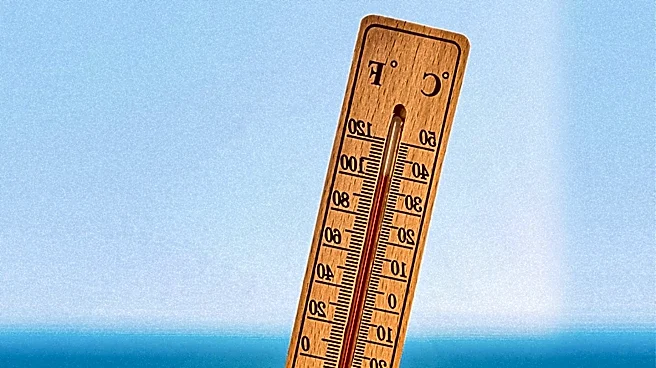
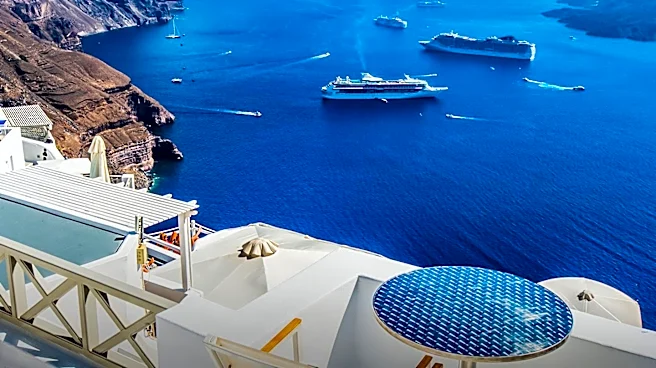
Greece has enforced emergency workplace measures due to a severe heatwave, with temperatures expected to peak at 43°C. The government has mandated work stoppages for outdoor labor during the hottest hours and encouraged remote work for vulnerable employees.
These measures aim to protect workers from heat-related health risks. The heatwave is affecting various sectors, including construction, delivery services, and ship repair yards. Employers are required to provide shaded areas, cool drinking water, and appropriate sun protection for employees working in hot conditions.
Why It's Important?
The heatwave poses significant health risks, particularly for outdoor workers and vulnerable populations. The emergency measures reflect the growing need for adaptive strategies to cope with extreme weather events, which are becoming more frequent due to climate change. The situation highlights the importance of workplace safety regulations and the role of employers in safeguarding employee health. The economic impact is also notable, as work stoppages could affect productivity in key sectors. The measures serve as a model for other countries facing similar climate challenges.
What's Next?
The Greek government will continue to monitor the situation and may extend or adjust measures based on weather forecasts. Employers will need to comply with regulations and ensure the safety of their workers. Public awareness campaigns may be intensified to educate citizens on heat safety practices. The heatwave is expected to persist, requiring ongoing vigilance and adaptation. Long-term, Greece may need to invest in infrastructure and policies to better handle extreme weather events.