


What's Happening?
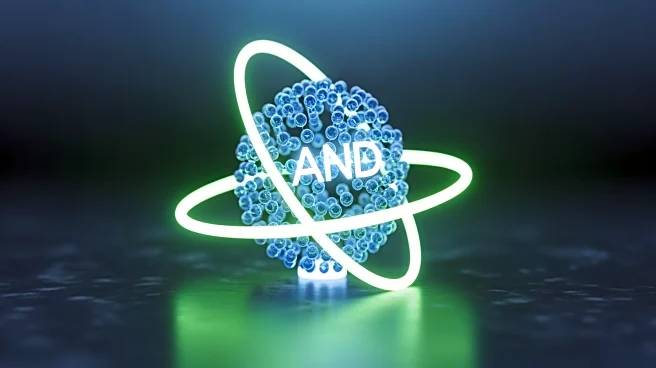
Researchers have developed an 'AND logic' nanoparticle designed for precision immunotherapy in treating metastatic cancers. The study, conducted on mice, demonstrated that these nanoparticles could effectively target and treat lung metastases and other cancer models.
The nanoparticles are engineered to respond to specific stimuli, releasing therapeutic agents only in the presence of cancer cells. This targeted approach aims to minimize side effects and improve treatment efficacy. The study highlights the potential of using nanoparticles in cancer treatment, offering a new avenue for developing more effective therapies.
Why It's Important?
The development of targeted cancer therapies is crucial in improving patient outcomes and reducing the side effects associated with traditional treatments like chemotherapy. The 'AND logic' nanoparticles represent a significant advancement in precision medicine, potentially allowing for more effective and less toxic cancer treatments. This approach could lead to better management of metastatic cancers, which are often challenging to treat. The research underscores the importance of continued innovation in cancer therapy, which could ultimately lead to more personalized and effective treatment options for patients.
What's Next?
Further studies are needed to evaluate the safety and efficacy of these nanoparticles in human trials. Researchers will need to refine the technology to ensure it can be effectively scaled for clinical use. If successful, this could lead to new treatment protocols that incorporate nanoparticle-based therapies as a standard option for certain types of cancer. Collaboration with pharmaceutical companies and regulatory bodies will be essential to bring this innovation from the lab to the clinic.