






What's Happening?
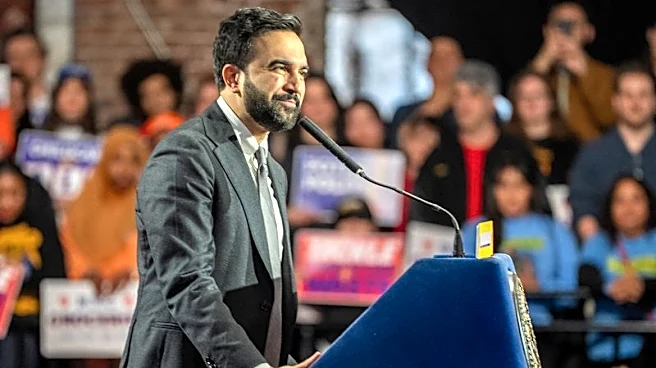
Councilmember Frank Morano has introduced the 'Bodega Cat Bill' in New York City, aiming to lift the current municipal ban on cats in retail food establishments. Under existing New York City health code regulations, live animals are prohibited in such
establishments. The proposed legislation seeks to remove this restriction, allowing cats to reside in bodegas and other stores. The bill also includes provisions for voluntary programs offering free vaccination and spay/neuter services for cats living in these locations. While the city-level ban could be lifted, state regulations would still need to be addressed to fully authorize the presence of cats in these establishments. Additionally, there is a proposal in Albany to establish a statewide standard of care for cats living in these stores.
Why It's Important?
The introduction of the 'Bodega Cat Bill' is significant as it addresses the cultural and practical role that cats play in New York City bodegas. These cats are often seen as unofficial mascots and are appreciated for their role in controlling pests. The legislation could enhance the quality of life for these animals by providing access to health services and ensuring their well-being through standardized care. For store owners, the bill could offer a legal framework to keep cats, which are valued for their pest control abilities. This move could also spark discussions on animal welfare and the integration of animals in urban settings, potentially influencing similar legislative efforts in other cities.
What's Next?
If the 'Bodega Cat Bill' is passed, it will require adjustments to state regulations to fully implement the changes. Stakeholders, including store owners, animal welfare advocates, and health officials, may engage in discussions to address any concerns related to health and safety standards. The outcome of the proposal in Albany to establish a statewide standard of care will also play a crucial role in shaping the future of cats in retail establishments. Public opinion and advocacy efforts could influence the legislative process, potentially leading to broader acceptance and implementation of similar measures in other urban areas.