




What's Happening?
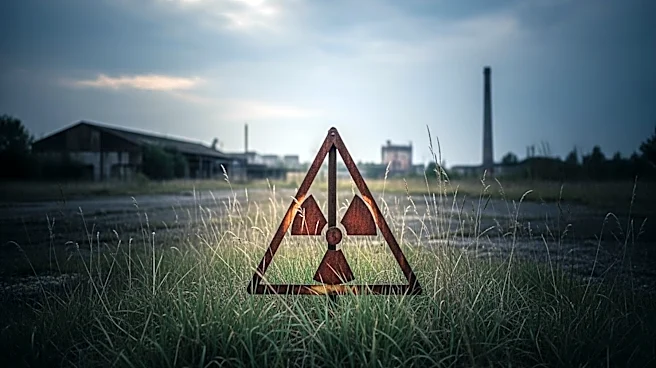
Ukraine is observing the 40th anniversary of the Chernobyl disaster, the most severe nuclear accident in history, under the ongoing threat of Russian military actions. The anniversary comes as Ukraine faces continued Russian bombardment, with recent attacks
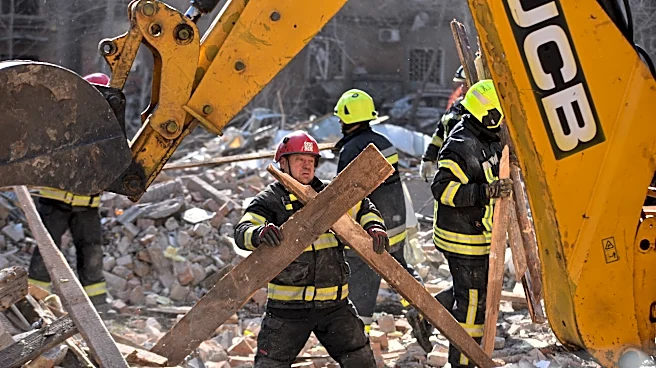
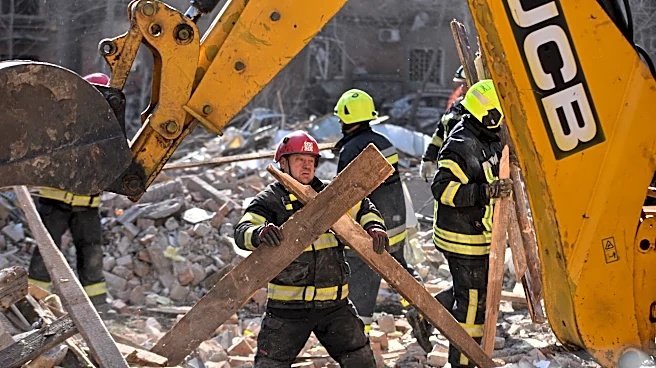
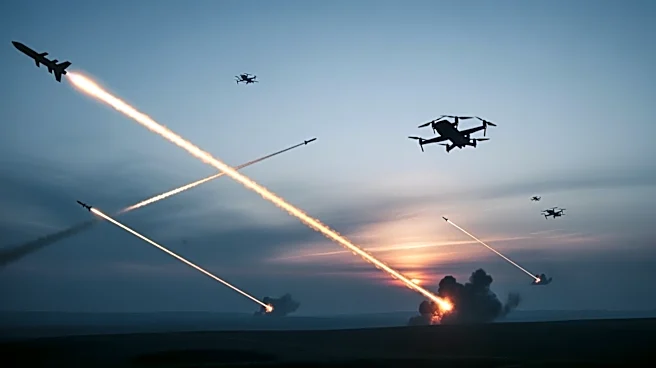
on the city of Dnipro resulting in at least eight deaths and 49 injuries. The Chernobyl disaster, which occurred on April 26, 1986, involved a catastrophic failure at Reactor No. 4 of the Chernobyl nuclear power plant, leading to a massive release of radioactive particles. Ukrainian President Volodymyr Zelensky has accused Russia of 'nuclear terror' due to its military activities near the Chernobyl site, which he claims could lead to another disaster. The conflict between Russia and Ukraine has intensified, with Russian drones and missiles targeting various regions, including Chernihiv and Odesa.
Why It's Important?
The ongoing conflict and the commemoration of the Chernobyl disaster highlight the persistent threat of nuclear incidents in conflict zones. The situation underscores the vulnerability of nuclear sites during wartime and the potential for catastrophic consequences. The international community remains concerned about the safety of nuclear facilities in Ukraine, as Russian military actions continue to pose risks. The conflict has also led to broader geopolitical tensions, with NATO member Romania reporting property damage from a Russian drone. The European Union has responded with new sanctions against Russia, aiming to weaken its banking sector and restrict oil exports. These developments reflect the complex interplay of military, political, and economic factors in the region.
What's Next?
The international community is likely to increase pressure on Russia to cease its military activities near nuclear sites in Ukraine. The European Union's recent sanctions package and the planned 90 billion euro loan to Ukraine indicate ongoing support for Ukraine's defense capabilities. As the conflict continues, further diplomatic efforts may be necessary to prevent escalation and ensure the safety of nuclear facilities. The release of Ukrainian prisoners of war from Russia offers a glimmer of hope for humanitarian progress, but the broader conflict remains unresolved. Continued international engagement and mediation will be crucial in seeking a peaceful resolution.
Beyond the Headlines
The Chernobyl disaster's legacy continues to influence global nuclear safety standards and perceptions. The anniversary serves as a reminder of the long-term environmental and health impacts of nuclear accidents. The current conflict in Ukraine raises ethical questions about the protection of civilian infrastructure and the responsibilities of warring parties to prevent environmental catastrophes. The situation also highlights the need for robust international mechanisms to safeguard nuclear sites in conflict zones and to hold accountable those who endanger global safety.