



What's Happening?
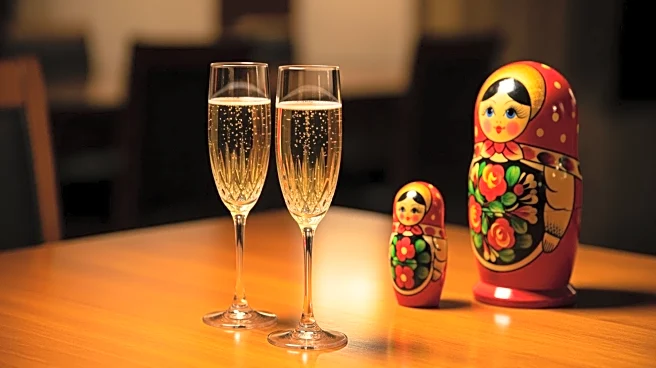
In Israel, the celebration of Novy God, a Russian New Year tradition, has sparked cultural discussions as high-level politicians, including former Prime Minister Benjamin Netanyahu and President Isaac Herzog, have begun acknowledging the holiday. This
tradition, which includes elements reminiscent of Christmas, such as decorated trees and festive gatherings, was initially met with resistance in Israel due to its perceived Christian connotations. However, as the Russian-speaking community in Israel has grown, there has been a gradual acceptance of Novy God as a cultural celebration rather than a religious one. This shift reflects broader questions about immigrant integration and cultural identity in Israeli society.
Why It's Important?
The recognition of Novy God by Israeli politicians highlights the ongoing dialogue about cultural integration and identity within Israel. As the country continues to welcome immigrants from diverse backgrounds, the acceptance of their traditions becomes a significant aspect of social cohesion. This development also illustrates the political importance of engaging with immigrant communities, who represent a substantial portion of the electorate. The evolving acceptance of Novy God may pave the way for greater inclusivity and understanding of cultural diversity in Israel, influencing both social policies and political strategies.
What's Next?
As Novy God gains recognition, it may lead to further discussions about the integration of other cultural traditions within Israeli society. The acceptance of this holiday could encourage other immigrant communities to celebrate their cultural practices more openly, potentially leading to a richer tapestry of cultural events in Israel. Politically, this could result in increased efforts by leaders to engage with diverse communities, recognizing their contributions to Israeli society. The long-term impact may include a more inclusive national identity that embraces the multicultural reality of modern Israel.