




What's Happening?
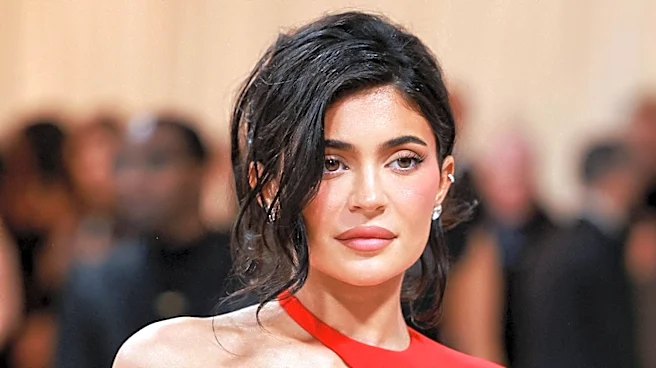
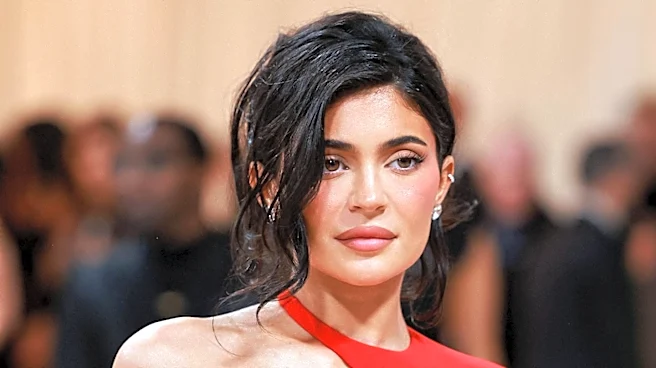
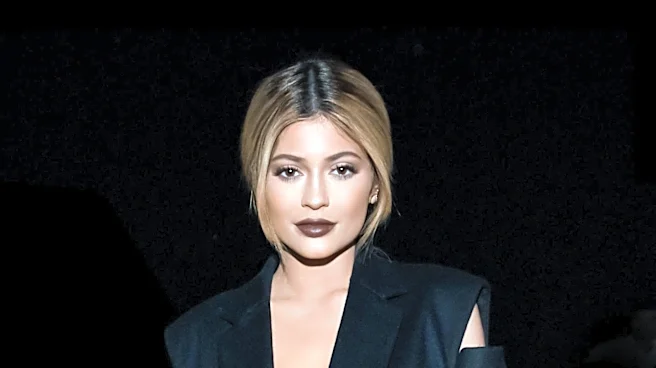
Kylie Jenner is facing her fourth lawsuit in seven months from a former household employee, Dinora Cabria Amaya. The lawsuit, filed in Los Angeles County Superior Court on November 5, alleges various instances of mistreatment during Amaya's employment,
which began in March 2025. Amaya claims she was bitten by one of Jenner’s dogs, accidentally exposed to pepper spray causing severe burning and vision problems, and became trapped in Jenner’s closet for over an hour while a supervisor allegedly mocked her. The lawsuit also accuses Jenner, her companies, and team members of disability discrimination, retaliation, wrongful termination, and numerous labor violations. Amaya reported working six days a week for $40 an hour in cash and believes she was fired in February 2026 for requesting mileage pay and speaking up about her wages and workplace treatment. While the lawsuit does not directly accuse Jenner of mistreatment, it suggests her involvement in employee supervision, scheduling, and wage practices. Jenner's lawyer, Michael Rhodes, has dismissed the lawsuit as an attempt to extract an unwarranted payday, stating they will vigorously defend against the claims.
Why It's Important?
This series of lawsuits against Kylie Jenner highlights significant issues faced by domestic workers, particularly those employed by high-profile individuals. The attorney representing all four plaintiffs, Della Shaker, emphasizes the power imbalance and fear that often prevent domestic workers from reporting unlawful treatment. The allegations, if proven, could draw further scrutiny to labor practices within celebrity households and potentially influence how such employers manage their staff. The cases bring to light concerns about workplace safety, fair wages, and the handling of employee injuries and complaints in private residences. For Jenner, these lawsuits could impact her public image and brand, potentially leading to reputational damage and increased legal costs. The ongoing legal battles also underscore the challenges of enforcing labor laws in private domestic settings, where oversight can be less stringent than in traditional corporate environments. The outcome of these cases could set precedents for how similar disputes are handled in the future, affecting both employers and employees in the domestic work sector.
What's Next?
The lawsuits filed by Dinora Cabria Amaya and the three other former employees are currently pending in Los Angeles County Superior Court. Kylie Jenner's legal team has indicated they will vigorously defend against these claims, suggesting a protracted legal battle. The attorney for the plaintiffs, Della Shaker, has stated that her clients will not back down, indicating their intent to pursue the cases through the courts. Future proceedings will likely involve discovery, depositions, and potentially mediation attempts. If the cases proceed to trial, they could bring more details of the alleged working conditions into the public domain. The outcomes could range from settlements to court judgments, which might include financial compensation for the plaintiffs and potentially changes in employment practices within Jenner's household. The ongoing legal actions may also encourage other domestic workers in similar situations to come forward, potentially leading to further scrutiny of labor practices in high-profile households.
Beyond the Headlines
Beyond the immediate legal implications, these lawsuits against Kylie Jenner touch upon broader societal issues concerning labor rights and the treatment of domestic workers. The attorney's statement about the fear domestic workers face in challenging powerful employers highlights systemic vulnerabilities within this sector. The cases could spark a wider conversation about the need for stronger protections and clearer guidelines for domestic employment, particularly in affluent households where power dynamics can be heavily skewed. Ethically, the allegations raise questions about employer responsibility and accountability for the well-being of their staff, even when direct mistreatment is not alleged. Legally, these cases could contribute to the evolving interpretation and enforcement of labor laws in private residences, potentially influencing future legislation or judicial precedents. Culturally, the ongoing public discourse around these lawsuits may shift perceptions of celebrity employers and bring greater awareness to the often-invisible labor of domestic workers, prompting a reevaluation of their rights and working conditions.