


What's Happening?
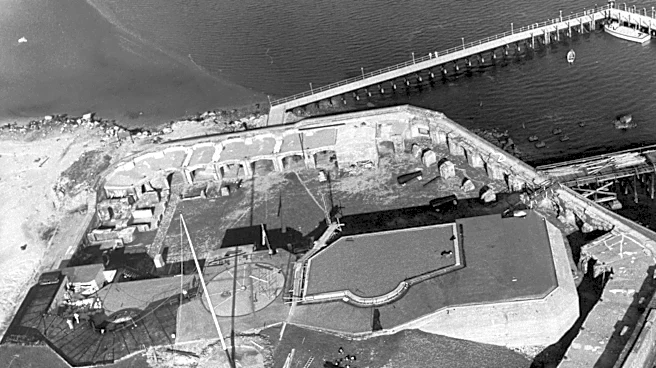
Congresswoman Claudia Tenney (NY-24) announced that her legislation, the Fort Ontario Holocaust Refugee Shelter National Historical Park Establishment Act (H.R. 1031), has advanced out of the House Natural Resources Committee. This bill aims to preserve
Fort Ontario's historical legacy and recognize its unique role as the only refugee shelter established in the United States for victims fleeing the Holocaust during World War II. Located in Oswego, New York, Fort Ontario, known as "Safe Haven," provided safety to 982 predominantly Jewish refugees from 1944 to 1946. The legislation seeks to incorporate portions of Fort Ontario into the National Park System, ensuring greater national recognition and long-term preservation of this significant American historical site. The existing State Historic Site will remain under state management, with local entities continuing to play a central role in its preservation and the sharing of its history. Following its committee advancement, the bill is now eligible for consideration by the full House of Representatives.
Why It's Important?
The advancement of H.R. 1031 is significant for several reasons. It underscores America's historical role as a haven for those escaping persecution, particularly during one of humanity's darkest periods. By establishing Fort Ontario as a National Historical Park, the legislation ensures that the stories of the 982 Holocaust refugees who found safety there are permanently etched into the national memory. This recognition is crucial for educating future generations about the atrocities of the Holocaust and the importance of combating hatred and antisemitism. For the community of Oswego, New York, it solidifies their place in a pivotal moment of American and world history, potentially boosting heritage tourism and local engagement with the site. Chairman Bruce Westerman emphasized that the bill paves the way for Fort Ontario to become a unit of the National Park System, honoring the courage of the refugees and ensuring their experiences are not forgotten.
What's Next?
The Fort Ontario Holocaust Refugee Shelter National Historical Park Establishment Act (H.R. 1031) is now poised for consideration by the full House of Representatives. Congresswoman Tenney expressed her commitment to working with her colleagues to move the bill through the House. If passed by the House, the legislation would then proceed to the Senate for its review and vote. Should it successfully navigate both chambers of Congress, it would then require the President's signature to become law. The establishment of the park would likely involve collaboration between federal and state agencies, as well as local organizations, to implement the preservation and educational initiatives outlined in the bill. This process would ensure the site's historical integrity is maintained while making its story accessible to a broader national audience.
Beyond the Headlines
Beyond its immediate impact, the establishment of the Fort Ontario Holocaust Refugee Shelter National Historical Park carries profound ethical and cultural implications. It serves as a powerful reminder of the moral imperative to offer refuge to those fleeing persecution and highlights the enduring relevance of historical events in shaping contemporary societal values. In an era where discussions around immigration and humanitarian aid are prominent, this legislation reinforces a foundational aspect of American identity—its capacity as a land of opportunity and safety for the displaced. The park would not only commemorate a specific historical event but also foster a deeper understanding of the complexities of refugee experiences and the long-term contributions of immigrants to American society. It stands as a testament to the resilience of the human spirit and the critical role of compassion in international crises.