



What's Happening?
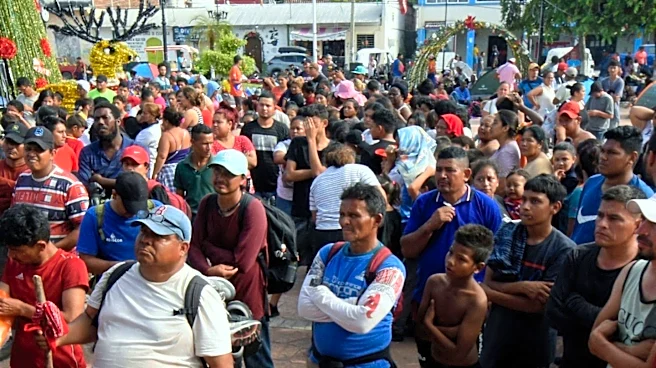
The Codava National Council (CNC) organized a peaceful protest in Madikeri on the occasion of the United Nations World Indigenous Peoples’ Rights Day. The protest aimed to highlight the Codava community's quest for geo-political autonomy, self-rule, and
internal political self-determination rights. The CNC submitted a memorandum containing ten constitutional aspirations to the Union Home Minister and the United Nations, including demands for Codavaland autonomy, protection under the UN Declaration on the Rights of Indigenous Peoples, and recognition of Codava cultural practices. The protest reflects the community's ongoing efforts to secure their rights and preserve their cultural heritage.
Why It's Important?
The Codava community's appeal for self-rule underscores the broader struggle of indigenous groups to secure political autonomy and protect their cultural identity. The demands for constitutional recognition and protection highlight the challenges faced by indigenous communities in asserting their rights within national frameworks. The protest serves as a reminder of the importance of preserving cultural heritage and ensuring that indigenous voices are heard in policy discussions. The Codava community's efforts contribute to the global dialogue on indigenous rights and the need for inclusive governance.
What's Next?
The CNC plans to continue advocating for their constitutional aspirations through peaceful means, engaging with government authorities and international organizations. The community's efforts may lead to further discussions on indigenous rights and autonomy, potentially influencing policy decisions at the national and international levels. The recognition of Codava cultural practices and heritage could pave the way for greater support and protection for indigenous communities.
Beyond the Headlines
The Codava community's struggle for self-rule highlights the ethical and cultural dimensions of indigenous rights, emphasizing the need for policies that respect and preserve diverse cultural identities. The protest reflects broader trends in global governance, where indigenous groups seek greater representation and autonomy.