



What's Happening?
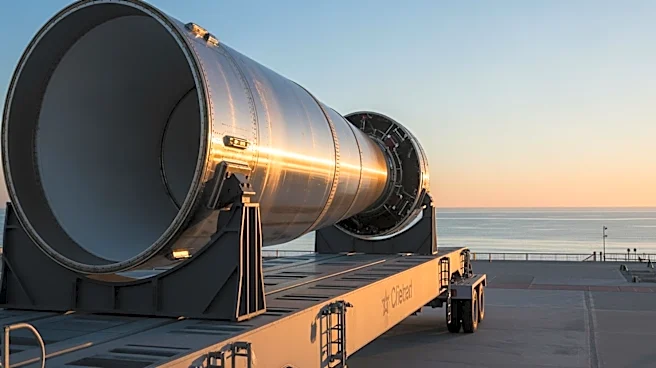
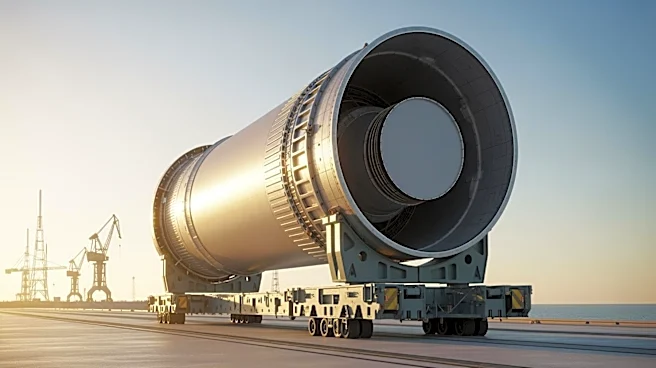
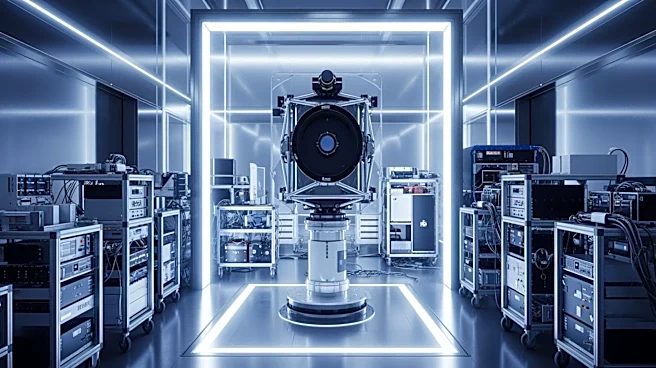
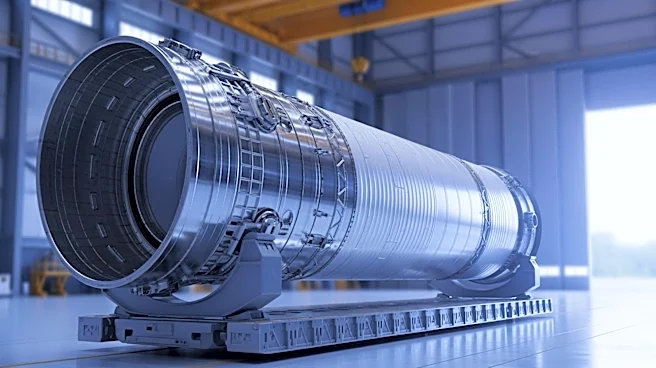
Technicians at NASA's Kennedy Space Center in Florida have received and offloaded eight high-efficiency particulate air (HEPA) wall modules and other ground support equipment. This equipment is crucial for the launch processing of the Nancy Grace Roman
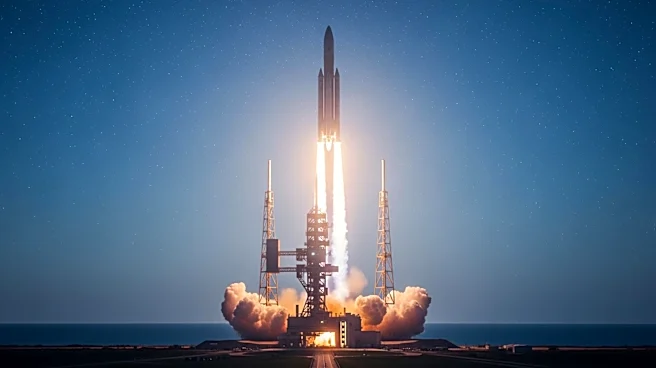
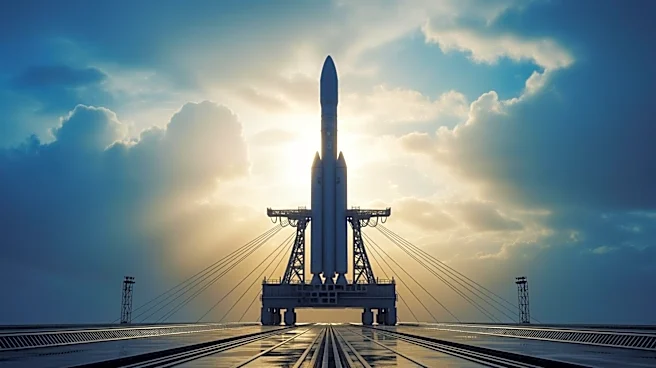
Space Telescope. The modules, each weighing 1,800 pounds, are designed to enhance the clean room systems at the Payload Hazardous Servicing Facility (PHSF), ensuring the telescope meets stringent cleanliness requirements. The Roman Space Telescope is set to observe the universe in infrared light, utilizing its Wide Field Instrument and a Coronagraph Instrument technology demonstration. This mission aims to produce panoramic images that will help astronomers explore cosmic mysteries, such as the accelerating expansion of the universe. The telescope will also contribute to the study of exoplanets and the mapping of normal and dark matter across space and time. The launch is targeted for early September aboard a SpaceX Falcon Heavy rocket from Launch Complex 39A at NASA Kennedy.
Why It's Important?
The arrival of the HEPA wall modules and support equipment marks a significant step in preparing the Nancy Grace Roman Space Telescope for its mission. This telescope is expected to provide groundbreaking insights into the universe's expansion and the nature of dark energy, which are critical areas of study in modern astrophysics. By advancing the understanding of these phenomena, the mission could reshape current scientific theories and models. Additionally, the Roman Space Telescope's ability to map the distribution of matter in the universe will enhance knowledge of cosmic evolution. The mission's success could also bolster NASA's reputation in space exploration and technology, potentially leading to further funding and support for future projects. The collaboration with SpaceX for the launch underscores the growing partnership between public and private sectors in advancing space exploration.
What's Next?
With the equipment now in place, NASA teams will proceed with the final preparations for the Roman Space Telescope's launch. This includes spacecraft fueling and other critical tasks to ensure the telescope is ready for its mission. As the launch date approaches, NASA will likely conduct a series of tests and simulations to verify the readiness of both the telescope and the launch vehicle. The scientific community and space enthusiasts will be closely monitoring these developments, as the mission promises to deliver valuable data that could influence future research and exploration strategies. The successful deployment and operation of the Roman Space Telescope could pave the way for more ambitious space missions, further expanding humanity's understanding of the universe.