







What's Happening?
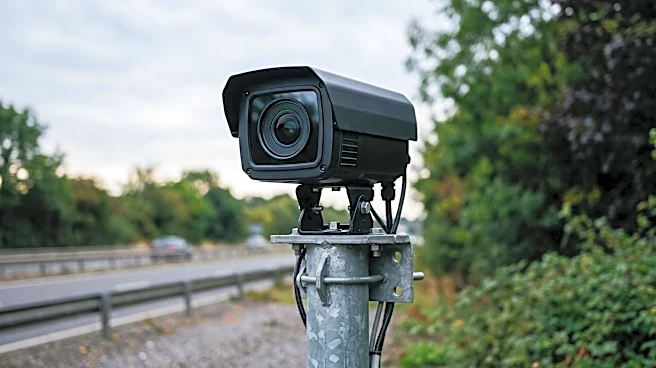
Randy Dula, a former police officer, was terminated from his position after using Flock technology to track his diabetic wife, Mariam Dula. Mariam Dula has publicly defended her husband, stating that he used the technology to locate her during diabetic emergencies.
In Georgia, the use of Flock technology is restricted to law enforcement purposes, making Dula's actions a violation of state law. Dula is currently appealing his termination, with his attorney representing him in the process. The incident highlights the tension between personal concerns and the legal boundaries surrounding surveillance technology designed for public safety.
Why It's Important?
This case underscores the complex ethical and legal challenges associated with advanced surveillance technologies like Flock, even when used with seemingly benevolent intentions. While the technology is designed to aid law enforcement, its misuse, even for personal reasons, raises significant privacy concerns and legal ramifications. The incident could prompt broader discussions among law enforcement agencies and policymakers regarding the clear delineation of acceptable use policies for such tools, as well as the potential for personal data misuse. It also brings to light the difficult decisions individuals might make in emergencies, which can inadvertently lead to professional and legal consequences. The outcome of Dula's appeal could set a precedent for how similar cases involving personal use of law enforcement technology are handled in the future, influencing both policy and public perception of privacy in the digital age.
What's Next?
Randy Dula is currently appealing his termination, and the legal proceedings will determine the final outcome of his employment status and any potential legal repercussions. The case may lead to increased scrutiny of how law enforcement agencies implement and monitor the use of surveillance technologies like Flock, potentially resulting in stricter guidelines or enhanced training for officers. Furthermore, the incident could spark public debate and legislative review regarding the balance between individual privacy rights and the capabilities of modern surveillance tools. The defense presented by Mariam Dula, emphasizing the emergency nature of her husband's actions, might influence public opinion and potentially impact the legal arguments in the appeal.
Beyond the Headlines
The Dula case delves into the deeper societal implications of technology's pervasive reach and the blurred lines between public and private spheres. It raises questions about the 'right to track' even for a spouse's safety, especially when it involves tools intended for state use. This incident could contribute to a broader conversation about digital ethics, the boundaries of personal intervention in emergencies, and the need for clear legal frameworks that address the evolving capabilities of surveillance technology. It also highlights the emotional toll and difficult choices individuals face when loved ones are in danger, and how those choices can intersect with professional conduct and legal statutes. The case serves as a poignant example of how personal circumstances can clash with institutional rules, leading to significant personal and professional consequences.