






What's Happening?
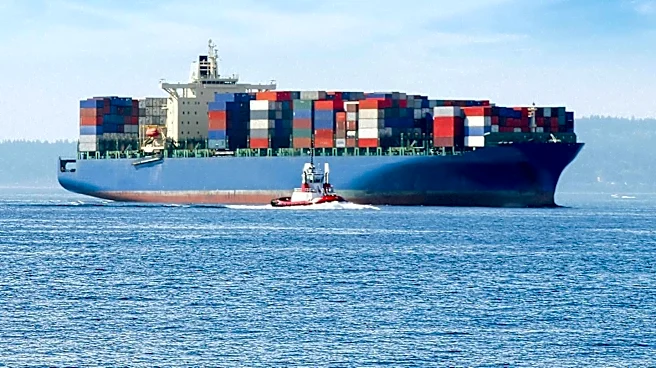
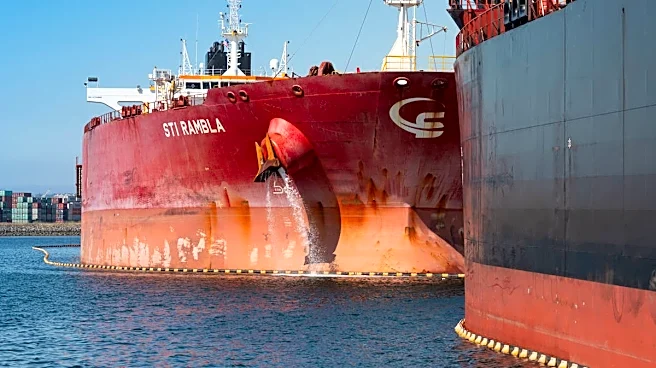
The U.S. Department of Homeland Security has issued a significant waiver of the Jones Act, following a request from the Department of Defense. This waiver, one of the broadest in the history of U.S. cabotage laws, allows foreign-flagged and foreign-built
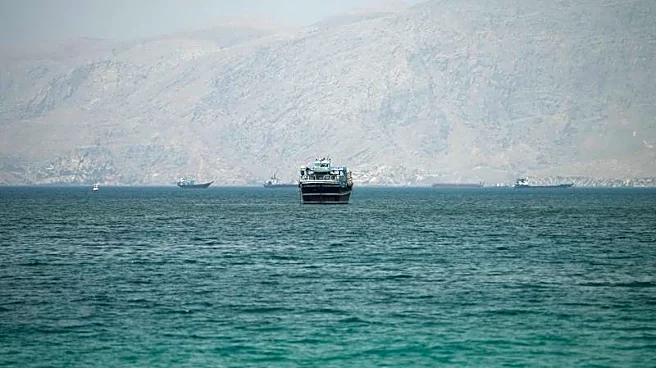
vessels to transport energy and agricultural commodities between U.S. ports. The waiver was prompted by the closure of the Strait of Hormuz due to military operations by the U.S. and Israel against Iran, which severely disrupted global energy markets. The waiver, initially set for 60 days, has been extended to August 16, 2026, covering 671 commodity types. The waiver aims to mitigate oil market disruptions by allowing foreign vessels to fill capacity gaps, although its effectiveness in reducing fuel prices has been questioned.
Why It's Important?
The waiver has significant implications for the U.S. maritime industry and national security. It temporarily opens the domestic shipping market to foreign competition, potentially reducing cargo volumes for American vessel operators and impacting maritime jobs. While intended to stabilize energy prices, the waiver's impact on fuel costs has been minimal. The decision highlights the tension between maintaining domestic maritime capacity and addressing immediate energy security needs. Critics argue that the waiver undermines the Jones Act's purpose of supporting U.S. maritime capabilities, while proponents see it as a necessary response to a national emergency.
What's Next?
The waiver's extension through August 2026 suggests ongoing challenges in global energy supply chains. The debate over its necessity and impact is likely to continue, with stakeholders from the maritime industry and government agencies weighing in. The waiver's future will depend on geopolitical developments and the ability of domestic shipping to meet national defense needs without foreign assistance. Monitoring the waiver's implementation and its effects on the U.S. maritime industry will be crucial in assessing its long-term viability.
Beyond the Headlines
The waiver raises questions about the legal mechanisms used to implement such measures and their alignment with national security objectives. It also highlights the complexities foreign vessel operators face in navigating U.S. laws, even under a waiver. The situation underscores the need for a balanced approach to maritime policy that considers both domestic industry protection and global economic realities.