



What's Happening?
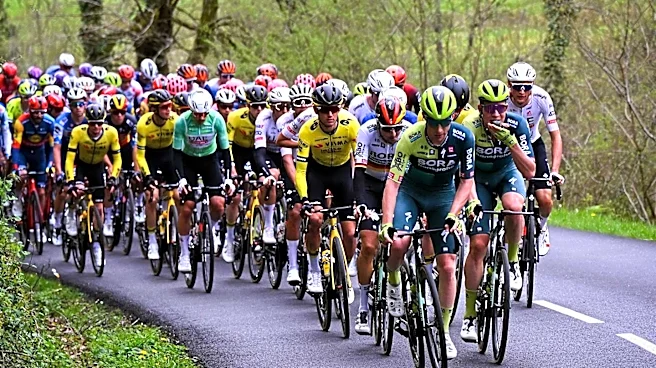
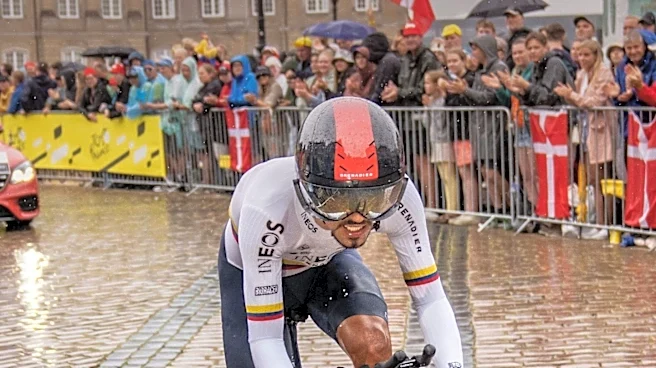
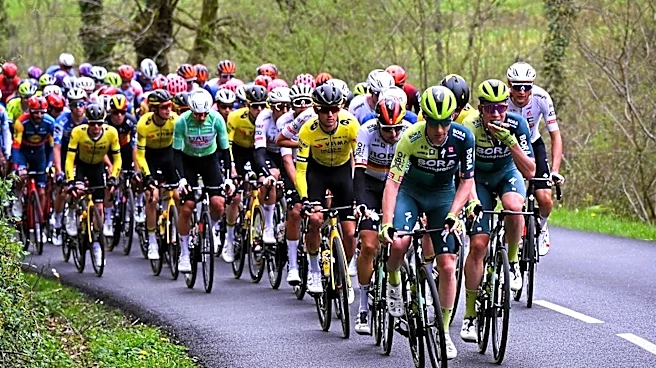
The Tour de France has faced unprecedented challenges due to climate change, with extreme heat and wildfires affecting the race. Riders have endured record-breaking temperatures, prompting organizers to shorten stages and implement safety measures. The heatwave
has led to increased water consumption and the use of cooling gear by competitors. Wildfires in the Pyrénées-Orientales region forced restrictions on spectators and support vehicles. These conditions have raised concerns about the future scheduling of the race, traditionally held in the summer months.
Why It's Important?
The impact of climate change on the Tour de France highlights the broader challenges extreme weather poses to global sporting events. The race's adaptations underscore the need for sports organizations to consider climate resilience in planning. The situation also reflects the growing urgency for climate action, as traditional schedules and locations may become untenable. The Tour's experience serves as a warning for other events, emphasizing the need for proactive measures to ensure athlete safety and event viability.
What's Next?
Organizers may need to reconsider the timing and routes of future races to mitigate climate risks. The Tour de France could serve as a catalyst for broader discussions on climate adaptation in sports. Stakeholders, including athletes, sponsors, and governing bodies, will likely engage in dialogue to address these challenges. The race's experience may influence policy and investment in sustainable practices within the sports industry.