


What's Happening?
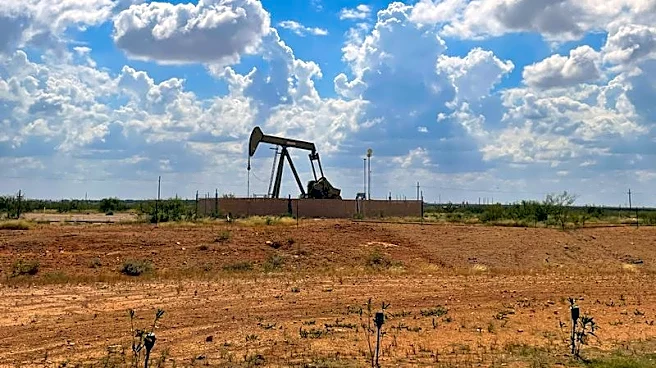
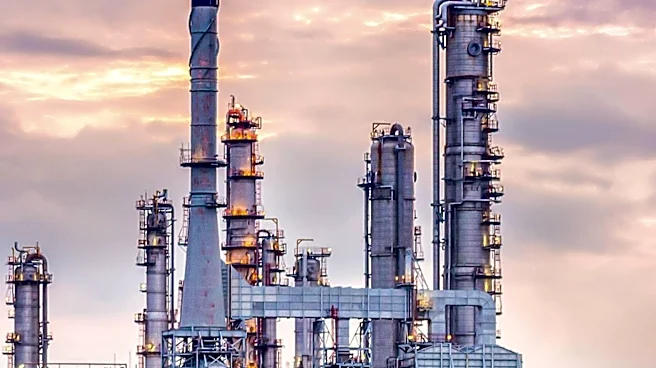
Libya's National Oil Corporation (NOC) announced on October 25, 2026, the restart of the Brega refinery and a gas processing unit after a prolonged shutdown. This development is part of Libya's broader efforts to enhance its energy sector, with the NOC stating
that the country currently produces 1.4 million barrels of oil per day and aims to increase this to between 2 and 3 million barrels per day. The announcement comes amidst a complex geopolitical environment where various international actors, including Russia, Turkey, and the U.S., are vying for influence in the oil-rich nation. The NOC also reported the opening of the Rashad gas field with a production capacity of 50 million cubic feet of gas per day, further integrating into Libya’s national gas grid to support power generation and industrial demand.
Why It's Important?
The restart of the Brega refinery and gas processing unit is a critical step for Libya's domestic energy supply and export capabilities. For the U.S., a stable and productive Libyan energy sector is important for global energy security, potentially mitigating price volatility and diversifying supply sources. However, the ongoing political fragmentation in Libya, with state bodies divided between Tripoli and the east, poses significant risks to the sustainability of these energy operations. Disruptions to oil facilities, such as the estimated 1 million barrels of output lost in September, underscore the vulnerability of Libya's energy infrastructure to internal conflicts. The U.S. maintains a national emergency regarding Libya, highlighting concerns about the misappropriation of natural resources and the need for a unified, stable government to ensure responsible management of its oil wealth. The competition among international powers for influence in Libya further complicates efforts to achieve long-term stability and consistent energy output.
What's Next?
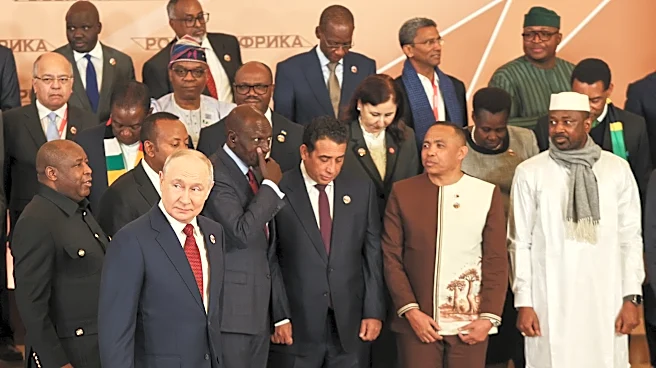
The future of Libya's energy sector is heavily dependent on the resolution of its political divisions. A UN-hosted agreement signed on August 30, 2026, aimed at establishing elections within 24 months under a single executive authority, but this was rejected by the High Council of State on October 5, 2026. The UN envoy is expected to provide an update on efforts to overcome this rejection, and the 'Smaller Convening' group is scheduled to meet again. These political negotiations are crucial for creating a unified framework that can protect and manage Libya's oil and gas assets effectively. Meanwhile, Russia's recent engagement with Libya's Presidential Council chairman, including discussions on Russian oil firms returning and expanded military cooperation, indicates a growing geopolitical contest for influence. The upcoming Turkey-Africa Partnership Summit in Tripoli in December 2026 also signals continued international interest and potential for further shifts in alliances, all of which will impact the stability and operational capacity of Libya's energy infrastructure.
Beyond the Headlines
The strategic importance of Libya's oil and gas resources extends beyond economic considerations, deeply intertwining with regional stability and international power dynamics. The U.S. has emphasized the need for accountability, including sanctions, for those obstructing Libya's path to elections and unified institutions. This stance reflects a broader concern that continued instability in Libya could exacerbate issues such as illegal migration and smuggling across the Mediterranean, impacting European security and potentially requiring U.S. intervention or support. The competition for influence among global powers, including the U.S., Russia, and Turkey, highlights the complex ethical and geopolitical challenges. Ensuring that Libya's energy wealth benefits its population, rather than fueling internal conflicts or being exploited by external actors, is a critical long-term objective. The success of the NOC's efforts to boost production and refine domestically will depend on achieving a political consensus that can safeguard these vital national assets.