



What's Happening?
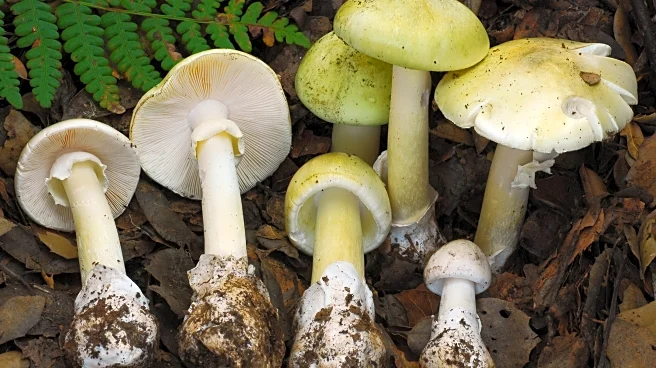
The California Department of Public Health has issued a warning against mushroom foraging due to a surge in death cap mushroom poisonings. Since November, over three dozen cases have been reported, resulting in four deaths and three liver transplants.
The death cap mushroom, one of the most poisonous in the world, is easily mistaken for edible varieties, posing a significant risk to foragers. The poisonings have affected individuals ranging from 19 months to 67 years old, with many requiring intensive medical care. The department advises purchasing mushrooms from trusted sources and keeping children and pets away from areas where mushrooms grow.
Why It's Important?
The increase in death cap mushroom poisonings highlights the dangers of foraging for wild mushrooms, especially for those unfamiliar with identifying safe varieties. This situation underscores the importance of public health advisories and the need for awareness about the risks associated with consuming wild mushrooms. The poisonings have led to severe health outcomes, including liver failure, emphasizing the critical need for medical intervention in suspected cases. The rise in poisonings also reflects broader environmental conditions, such as the 'super bloom' of mushrooms due to favorable weather, which may increase exposure risks.
What's Next?
The California Department of Public Health is likely to continue monitoring the situation and may issue further advisories as necessary. Public health campaigns may be expanded to include more languages, given the diverse demographics affected. Medical professionals may also see an increase in cases requiring urgent care, prompting hospitals to prepare for potential surges in mushroom-related poisonings. Additionally, there may be increased efforts to educate the public on safe mushroom consumption practices.
Beyond the Headlines
The situation raises ethical questions about the balance between cultural practices, such as foraging, and public health safety. It also highlights the need for better education and resources for non-English speaking communities, who have been disproportionately affected. Long-term, this could lead to changes in public health policy regarding food safety and foraging practices.