





What's Happening?
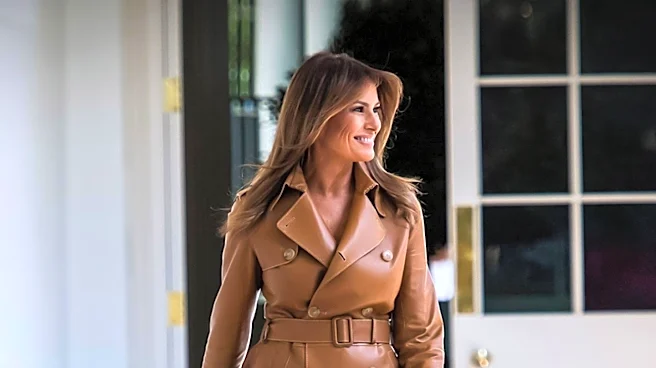
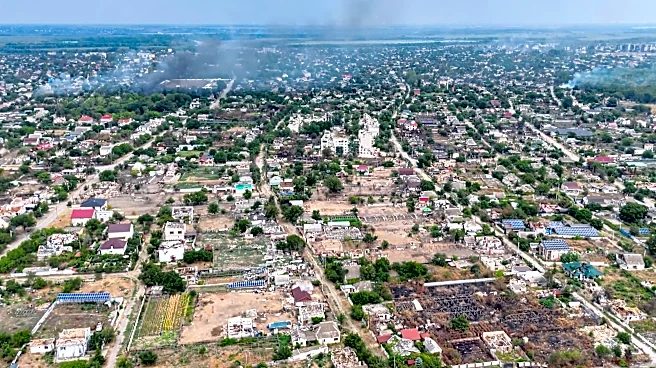
A six-day localized ceasefire, brokered by U.S. First Lady Melania Trump, has brought a rare period of quiet to the Ukrainian-held city of Kherson. The truce, which began at 3 a.m. Tuesday, was initiated to facilitate a humanitarian aid mission in Oleshky,
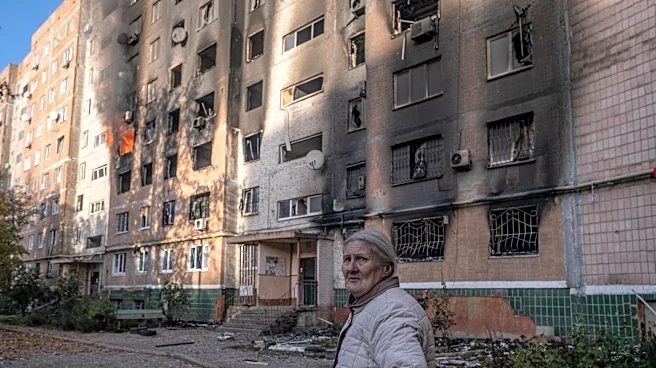
a Russian-occupied city described by Mrs. Trump as being 'on the brink of disaster.' This marks Mrs. Trump's first public involvement in ceasefire negotiations. The agreement allowed for the delivery of medicine, food, and water to Oleshky, where up to 2,000 residents face critically low supplies due to restrictions from drones and landmines. The calm extended across the Dnipro River to Kherson, a city that has endured regular attacks from Russian forces since its liberation four years ago.
Why It's Important?
This ceasefire is significant as it provides a crucial, albeit temporary, respite for civilians in war-torn regions of Ukraine, allowing for much-needed humanitarian aid to reach desperate populations. The involvement of First Lady Melania Trump in brokering the truce adds a unique diplomatic dimension, potentially opening new avenues for humanitarian intervention in the conflict. For the residents of Kherson, the quiet offers a brief return to normalcy, enabling them to stock up on essentials and attend to their properties without immediate fear of drone attacks or shelling. However, the underlying distrust and fear among the populace, who worry about Russia using the pause to regroup, highlight the fragility of such agreements and the deep psychological impact of prolonged conflict.
What's Next?
The immediate next steps involve the continued delivery of humanitarian aid to Oleshky and the potential opening of evacuation corridors later in the week. The duration and stability of the ceasefire beyond the initial six days remain uncertain, with residents expressing concerns about renewed attacks once the truce concludes. The success or failure of this localized agreement could influence future diplomatic efforts and the potential for broader ceasefires in the conflict. International observers will be closely watching for any violations or strategic maneuvers by either side during this period. The experience of this ceasefire will likely inform future humanitarian initiatives and negotiations in the ongoing conflict.
Beyond the Headlines
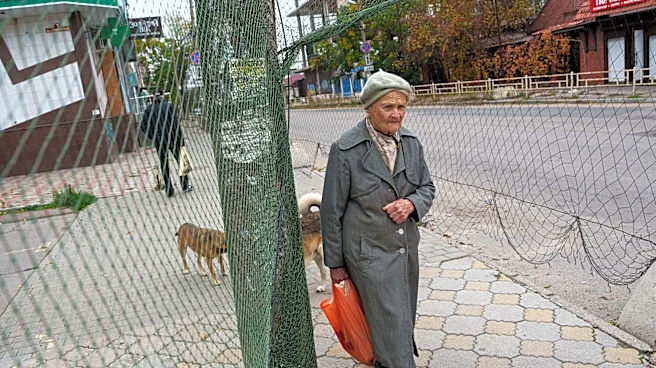
The ceasefire, while providing immediate relief, also exposes the profound psychological toll of war on civilians. The 'unsettling' quiet and the constant fear of drones, even in their absence, illustrate how deeply conflict permeates daily life. The residents' cautious optimism, coupled with their deep-seated distrust of Russia, reveals the complex emotional landscape of a population living under constant threat. The act of municipal workers repairing anti-drone netting during the lull underscores the pervasive nature of the conflict's impact on infrastructure and daily routines. This event highlights the critical role of humanitarian diplomacy in mitigating suffering, even as it underscores the immense challenges in achieving lasting peace and rebuilding trust in war-affected regions.