







What's Happening?
The Democratic Party is experiencing internal divisions reminiscent of the Republican Party's transformation during the Obama era. This shift is driven by a growing anti-establishment sentiment among Democratic voters, who are increasingly frustrated
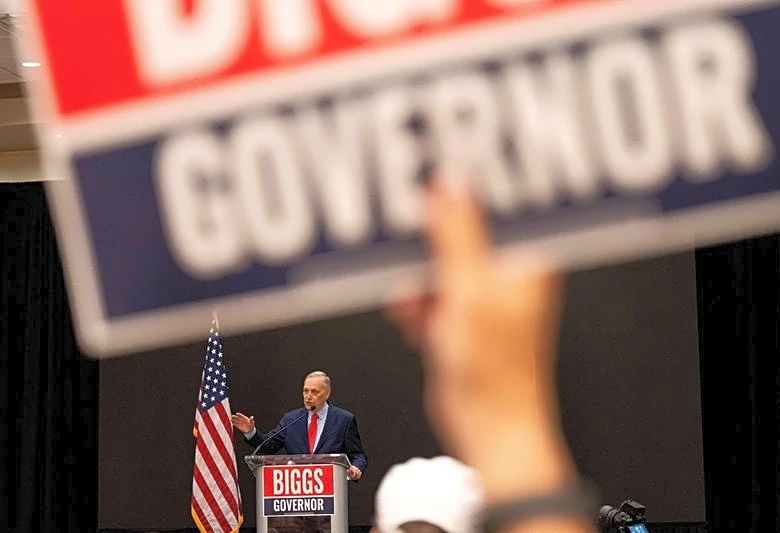
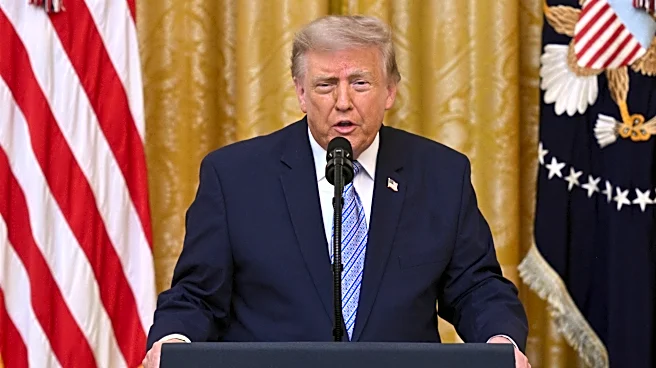
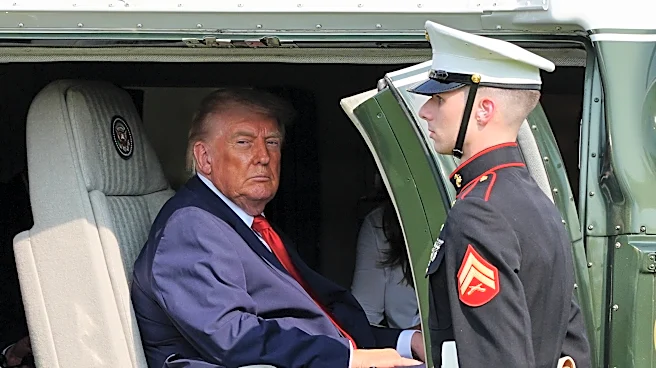
with the party's perceived inability to effectively counter President Trump's policies. This frustration has led to the rise of outsider candidates, including democratic socialists, who are gaining traction in primaries. These candidates, characterized by their combative rhetoric and focus on wealth redistribution and universal healthcare, are challenging the party's traditional leadership. The situation mirrors the Tea Party movement's impact on the Republican Party, which eventually paved the way for President Trump's rise.
Why It's Important?
The internal divisions within the Democratic Party could significantly impact its future direction and electoral success. As more voters gravitate towards outsider candidates, the party risks alienating its traditional base and losing cohesion. This shift could lead to a transformation similar to the Republican Party's evolution, potentially resulting in a more radicalized Democratic platform. The rise of anti-establishment candidates may also influence the party's strategy in upcoming elections, as they push for more aggressive policies and challenge the status quo. This internal struggle highlights the broader trend of political polarization and the growing appeal of populist movements in the U.S.