








What's Happening?
The Trump administration has issued a directive urging colleges and universities to discontinue affinity and multicultural housing, labeling these arrangements as 'neo-segregation' and claiming they violate the Fair Housing Act. This guidance was communicated
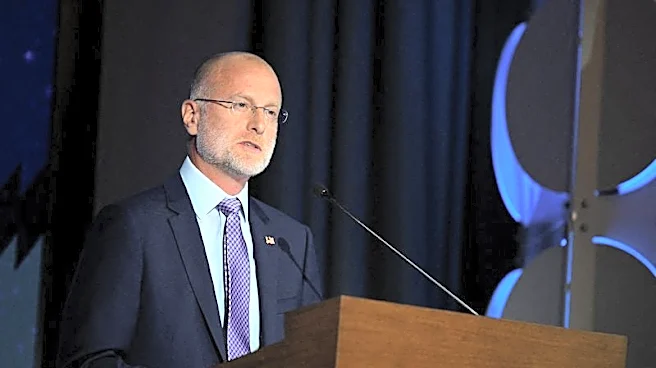
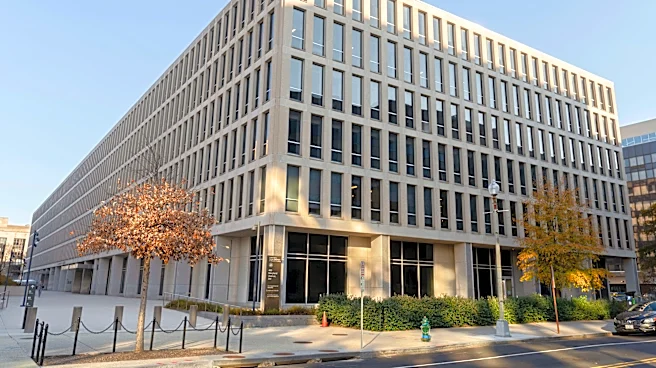
through a Dear Colleague letter from Craig Trainor, Assistant Secretary for Fair Housing and Equal Opportunity at the Department of Housing and Urban Development (HUD). The letter criticizes thematic housing options that allow students to live with peers sharing similar interests or identities, such as the Halisi Scholars Black Living-Learning Community at California State University, Los Angeles. Legal experts argue that this move is an attempt to intimidate institutions into compliance with guidance that is likely to fail if legally challenged. The letter has not been widely distributed, and its impact on colleges remains uncertain.
Why It's Important?
This directive from the Trump administration could significantly impact how colleges and universities structure their housing policies, potentially affecting the diversity and inclusivity of campus environments. Affinity housing has been shown to foster a sense of belonging among students, particularly those from minority backgrounds. The administration's stance may lead to legal challenges, as similar guidance on race-conscious admissions was previously blocked by federal courts. The move reflects broader efforts by the administration to dismantle diversity, equity, and inclusion initiatives in higher education, which could have long-term implications for educational institutions and their ability to support diverse student populations.
What's Next?
Colleges and universities may face increased scrutiny from HUD, which has indicated plans to pursue remedies against institutions deemed non-compliant with the Fair Housing Act. This could include legal actions seeking compensatory and punitive damages. Institutions may need to reassess their housing policies and prepare for potential legal challenges. The broader educational community, including organizations like the American Council on Education, is likely to respond by advocating for the benefits of affinity housing and challenging the administration's guidance.