
What's Happening?
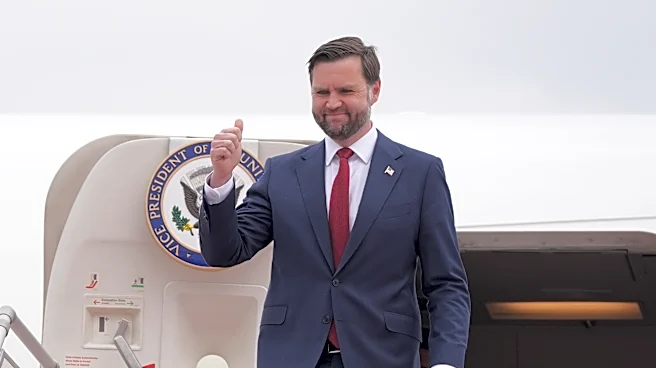
High-level peace talks between the United States and Iran are currently underway in Islamabad, facilitated by Pakistani Prime Minister Shehbaz Sharif. The discussions aim to resolve the ongoing conflict
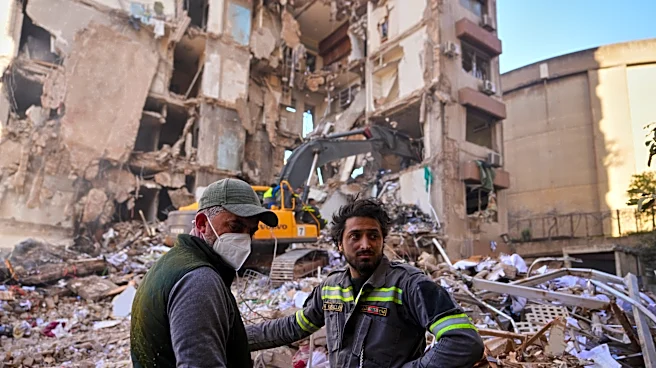
that has significantly impacted global oil trade, particularly through the strategic Strait of Hormuz. The US delegation, led by Vice-President JD Vance, is engaging directly with Iranian officials, marking the highest-level talks between the two nations in decades. The negotiations are part of efforts to end a weeks-long conflict that has resulted in thousands of deaths and disrupted the global economy. Despite the talks, serious disagreements remain, particularly concerning the control and passage through the Strait of Hormuz, a critical chokepoint for global oil and gas trade.
Why It's Important?
The outcome of these talks holds significant implications for global energy markets and geopolitical stability. The Strait of Hormuz is a vital corridor for oil and natural gas shipments, and its closure has led to a surge in global oil prices and supply disruptions. A resolution could stabilize energy markets and reduce tensions in the Middle East. However, the talks are complicated by Iran's demands for reparations and the unblocking of frozen assets, as well as the US's insistence on concessions regarding Iran's nuclear and missile programs. The negotiations also have broader implications for US foreign policy and its relations with allies in the region, including Israel, which remains committed to countering Iranian influence.
What's Next?
The talks are expected to continue, with both sides under pressure to reach a compromise. The US has indicated a willingness to consider sanctions relief if Iran agrees to certain conditions. Meanwhile, Iran's insistence on maintaining its military gains and the control of the Strait of Hormuz remains a sticking point. The international community, including countries like France, is closely monitoring the situation, urging de-escalation and the restoration of freedom of navigation in the strait. The outcome of these negotiations could set the tone for future US-Iran relations and impact regional stability.
Beyond the Headlines
The negotiations highlight the complex interplay of military, economic, and diplomatic factors in international relations. The involvement of third-party mediators like Pakistan underscores the importance of regional diplomacy in resolving global conflicts. Additionally, the talks reflect the broader geopolitical struggle for influence in the Middle East, with major powers like the US and Iran vying for strategic advantage. The situation also raises questions about the effectiveness of sanctions as a tool of foreign policy and the potential for diplomatic solutions to longstanding conflicts.