







What's Happening?
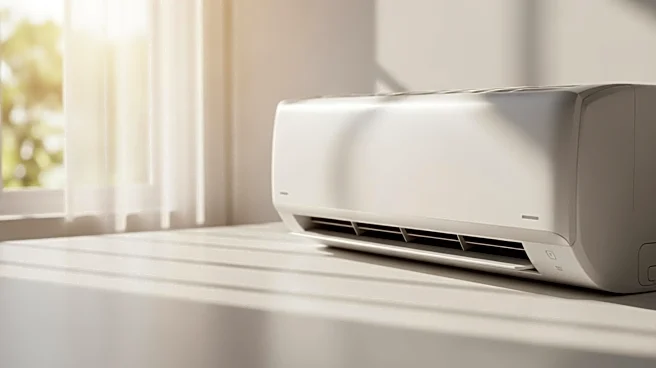
New York State has launched a program to provide free air conditioning units to eligible residents as part of the Home Energy Assistance Program (HEAP). This initiative aims to help residents cope with the extreme summer heat by offering a cooling unit per
household, covering up to $800 for window or portable A/C units and up to $1,000 for existing wall sleeve units, including installation. The program also includes minor repairs necessary for installation and offers fans for households where air conditioner installation is not feasible. To qualify, households must meet specific income requirements or already receive benefits such as SNAP, Temporary Assistance, or certain Social Security Income (SSI) benefits. Additionally, the household must include someone vulnerable to extreme heat, such as seniors over 60, children under 6, or individuals with medical conditions exacerbated by high temperatures. The program is first-come, first-served, and excludes those who have received a HEAP-funded air conditioner in the past five years.
Why It's Important?
This initiative is significant as it addresses the public health risks associated with extreme heat, particularly for vulnerable populations. By providing free air conditioning units, the program aims to prevent heat-related illnesses and deaths, which are a growing concern as summers become increasingly hotter. The program also alleviates financial burdens on low-income households, who may struggle to afford cooling solutions. This effort reflects a broader commitment to public welfare and energy efficiency, as it encourages the use of modern, energy-efficient appliances. The program's success could serve as a model for other states facing similar climate challenges.
What's Next?
Eligible New Yorkers can apply for the program online through Access NYC or through their local HEAP office. As the summer progresses, the demand for these units is expected to rise, potentially leading to a quick depletion of available resources. The state may need to assess the program's capacity and consider expanding it if demand exceeds supply. Additionally, the program's impact on energy consumption and grid stability during peak summer months will be closely monitored. Stakeholders, including public health officials and energy providers, will likely evaluate the program's effectiveness in reducing heat-related health incidents and its influence on energy usage patterns.