



What's Happening?
The ongoing conflict in Iran is exposing significant vulnerabilities in the global food system, which heavily relies on fossil fuels. The war has led to an oil shortage, underscoring the urgent need to rethink food production and distribution methods.
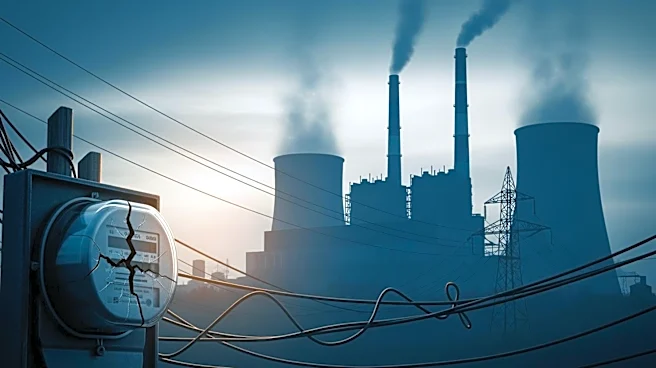
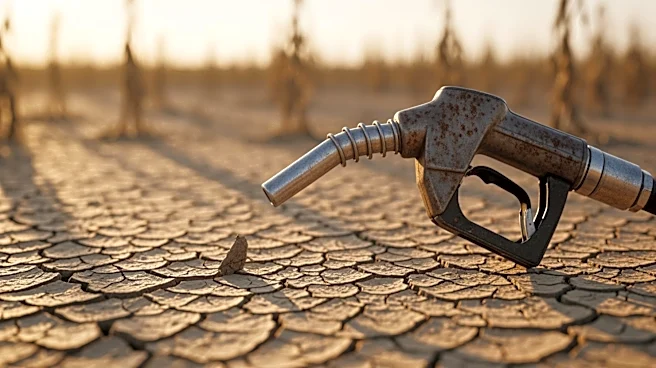
Currently, a substantial portion of food production, including fertilizers, pesticides, and transportation, depends on fossil fuels. This dependency means that any increase in oil prices directly impacts food prices, potentially leading to a severe food shock. The article suggests that reducing the conversion of food into biofuels and ending farming's reliance on fossil fuels could mitigate these risks. However, current government policies are moving in the opposite direction, exacerbating the situation.
Why It's Important?
The reliance on fossil fuels for food production poses a significant risk to global food security, especially during geopolitical conflicts like the Iran war. As oil prices rise, food prices follow, disproportionately affecting those with lower incomes. This situation highlights the need for sustainable agricultural practices that reduce dependency on fossil fuels. Transitioning to renewable energy sources for fertilizer production and improving supply chain efficiencies could help stabilize food prices and enhance food security. The current crisis serves as a wake-up call for governments and industries to prioritize sustainable practices to prevent future food shocks.
What's Next?
If the Iran conflict continues, the world could face one of the worst food shocks in modern history. Governments may need to reconsider their energy and agricultural policies to prioritize food security. This could involve increasing investments in renewable energy and supporting innovations in sustainable farming practices. Additionally, there may be a push for international cooperation to address the interconnected challenges of energy and food security. Stakeholders, including policymakers, businesses, and civil society, will need to collaborate to develop resilient food systems that can withstand geopolitical and environmental disruptions.
Beyond the Headlines
The current situation also raises ethical and environmental concerns about the global food system's sustainability. The heavy reliance on fossil fuels contributes to greenhouse gas emissions, exacerbating climate change. This crisis could catalyze a shift towards more environmentally friendly agricultural practices, such as organic farming and the use of renewable energy. Moreover, it highlights the need for a more equitable food distribution system that ensures access to affordable food for all, regardless of economic status.