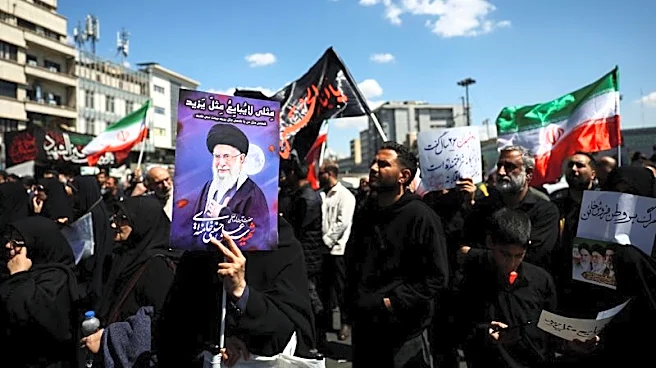




What's Happening?
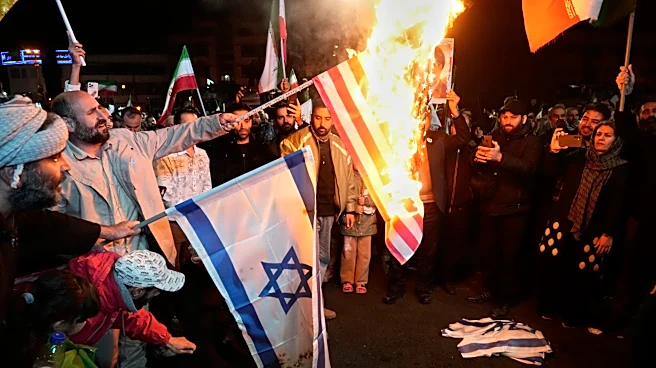
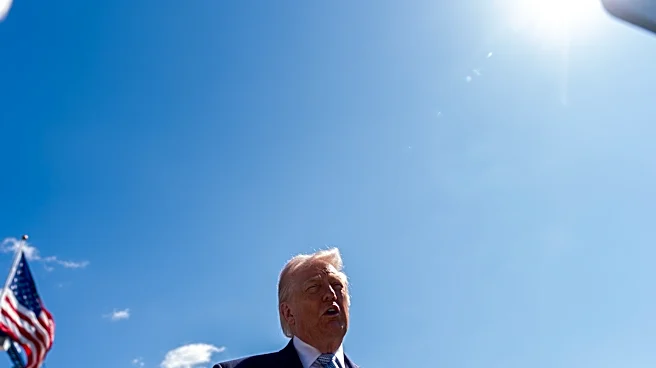
The recent ceasefire agreement between the U.S. and Iran is facing challenges as accusations of violations emerge. President Trump announced a two-week ceasefire, which initially brought relief across various regions, including Tehran and NATO headquarters.
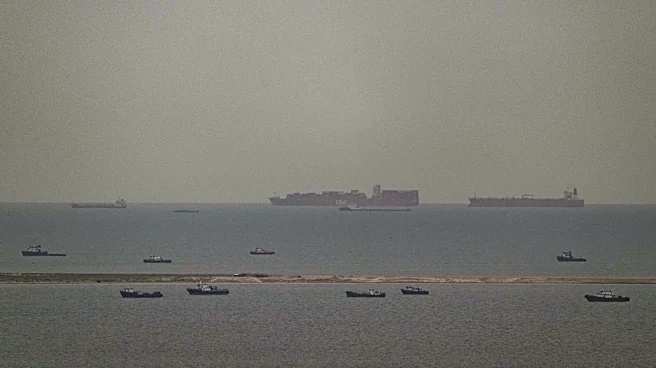
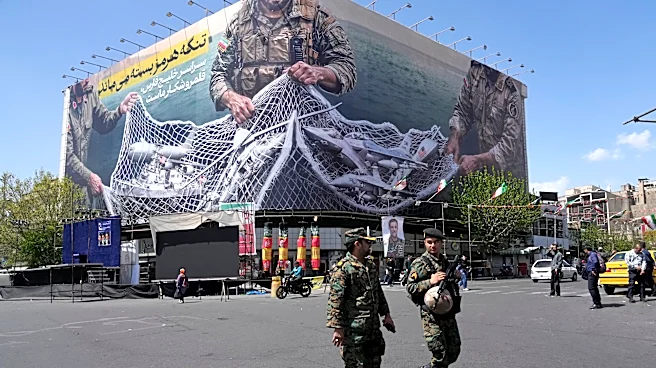
However, discrepancies in the agreement's terms have led to confusion. Iran claims control over the Strait of Hormuz, while the U.S. suggests shared access. Additionally, Israeli attacks on Lebanon, which Iran claims are covered by the ceasefire, continue, leading to further tensions. The U.S. Defense Secretary Pete Hegseth declared a significant military victory over Iran, but the situation remains volatile with ongoing military actions and diplomatic tensions.
Why It's Important?
The ceasefire's instability highlights the fragile nature of U.S.-Iran relations and the broader geopolitical implications. The Strait of Hormuz is a critical chokepoint for global oil shipments, and any disruption could impact international energy markets. The ongoing conflict and ceasefire violations could strain U.S. alliances, particularly with European nations wary of escalating tensions. The situation also underscores the challenges of achieving lasting peace in the Middle East, with potential repercussions for global security and economic stability.
What's Next?
The ceasefire's future remains uncertain as both sides navigate the complex diplomatic landscape. The U.S. and its allies may need to engage in further negotiations to clarify the ceasefire terms and address ongoing violations. The international community will likely monitor the situation closely, with potential implications for future diplomatic efforts in the region. The U.S. administration may face domestic and international pressure to ensure a stable resolution, balancing military strategy with diplomatic engagement.