







What's Happening?
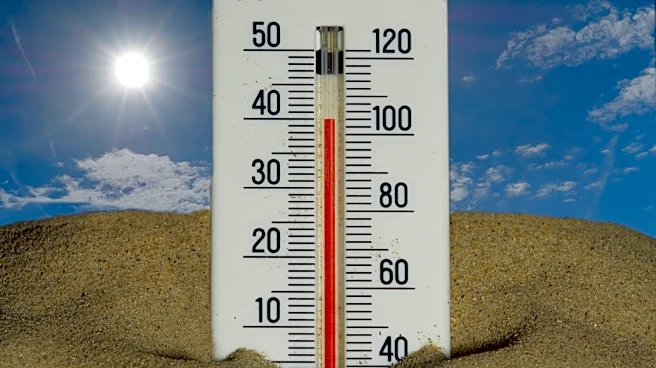
North Texas is currently experiencing a persistent heatwave, with temperatures feeling more akin to midsummer despite it being September. A heat advisory was in effect across the region until Saturday evening, and forecasts indicate that these elevated
temperatures are likely to continue into the upcoming week. This prolonged period of intense heat has prompted meteorologists to suggest that additional heat advisories may be issued. Residents are advised to take precautions against the heat, as the conditions are unseasonably warm for this time of year. The continuous high temperatures pose potential health risks and impact daily activities across the affected areas. The situation highlights a broader trend of extreme weather events impacting various regions.
Why It's Important?
The ongoing heatwave in North Texas carries significant implications for public health, local infrastructure, and daily life. Prolonged exposure to high temperatures can lead to heat-related illnesses such as heatstroke and dehydration, placing increased strain on healthcare systems. Energy grids may also face heightened demand as residents rely more heavily on air conditioning, potentially leading to power outages or brownouts. Economically, outdoor labor and agricultural activities could be disrupted, affecting productivity and local businesses. The need for continuous heat advisories underscores the severity and persistence of these conditions, prompting concerns about the long-term effects of such weather patterns on regional resilience and adaptation strategies. This event serves as a reminder of the growing challenges posed by extreme weather.
What's Next?
Forecasters anticipate that the unseasonably hot weather in North Texas will persist into the next week, with a high probability of further heat advisories being issued. Local authorities and health officials will likely continue to monitor conditions closely and issue public safety warnings, advising residents to stay hydrated, seek shade, and limit outdoor activities during peak heat hours. Emergency services will remain on alert for heat-related incidents. Utility companies will also be preparing for sustained high energy demand, potentially implementing measures to prevent grid strain. The continuation of these conditions will necessitate ongoing public awareness campaigns and preparedness efforts to mitigate health risks and maintain essential services.
Beyond the Headlines
The prolonged heatwave in North Texas is part of a broader pattern of increasing extreme weather events observed globally, raising questions about climate change and its localized impacts. While immediate concerns focus on public health and infrastructure, the long-term implications include potential shifts in regional climate patterns, affecting water resources, agriculture, and urban planning. This event could prompt deeper discussions on climate resilience, sustainable energy solutions, and urban heat island effects in North Texas. It also highlights the need for robust public health strategies to protect vulnerable populations from the escalating risks associated with extreme heat, potentially influencing future policy decisions regarding environmental adaptation and public safety protocols.