

What's Happening?
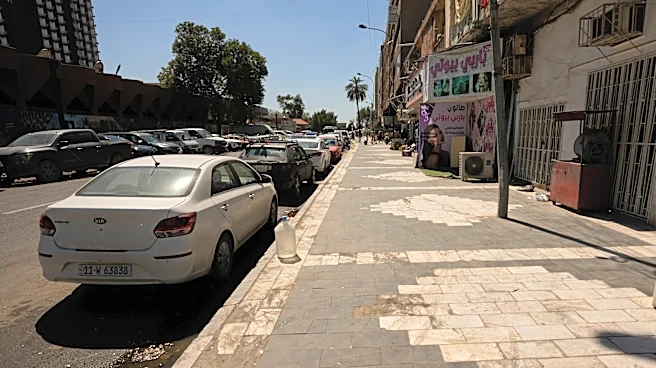
Shelly Kittleson, an American journalist, was kidnapped in Baghdad by unknown individuals. The Iraqi Interior Ministry reported the arrest of one suspect and the seizure of a vehicle involved in the abduction. Kittleson had been warned by the U.S. government
about threats from the Iranian-backed group Kataib Hezbollah, which allegedly targeted female journalists. Despite these warnings, Kittleson traveled to Iraq, where she was taken by force. The U.S. government and Iraqi authorities are working at high levels to secure her release.
Why It's Important?
This kidnapping highlights the ongoing threats to journalists in conflict zones, particularly from groups like Kataib Hezbollah. The incident raises concerns about the safety of American citizens abroad and the effectiveness of government warnings. It also underscores the geopolitical tensions involving Iran-backed militias and their impact on U.S. interests in the region. The abduction could influence U.S. foreign policy and security measures for journalists, potentially leading to increased diplomatic efforts to address such threats.
What's Next?
The U.S. and Iraqi governments are expected to intensify their efforts to locate and free Kittleson. The arrest of a suspect with ties to Kataib Hezbollah may lead to further investigations and potential diplomatic repercussions. The situation could prompt a review of security protocols for journalists and other Americans in Iraq. Media organizations and advocacy groups are likely to increase pressure on authorities to ensure Kittleson's safe return and to address broader issues of press freedom and safety.