






What's Happening?
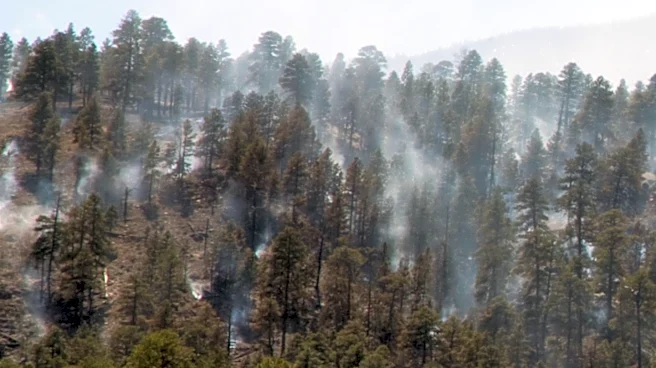
The USDA Forest Service adopted a national post-fire recovery environmental assessment in June 2026. This new guide aims to help forest and grassland managers address hazards and initiate post-fire recovery efforts more rapidly across the country. The assessment is designed
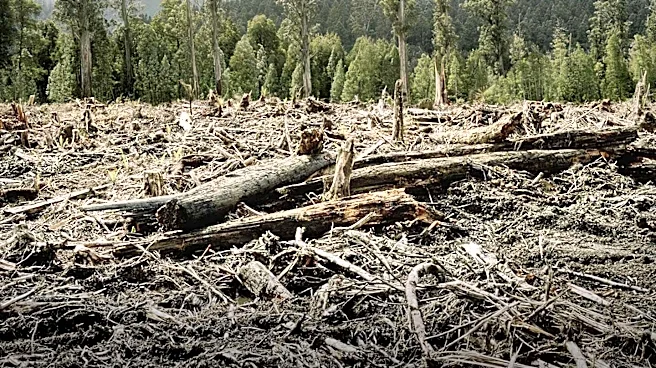
to streamline the planning and implementation of recovery work, similar to projects underway in the Sawtooth National Forest. Historically, planning and implementing post-fire projects could be a lengthy process, often delayed by data availability and staffing. Such delays can lead to a decrease in the value of timber that needs to be removed, making it harder to secure contractors and extending the time required for reforestation and forest recovery. The new process applies to wildfire recovery efforts and mandates compliance with all existing laws and regulations. It involves an interdisciplinary team to determine if the national environmental assessment's post-fire recovery activities are suitable for specific local landscapes, with restrictions such as not applying to wilderness areas. Local staff remain crucial in developing appropriate projects for their respective areas.
Why It's Important?
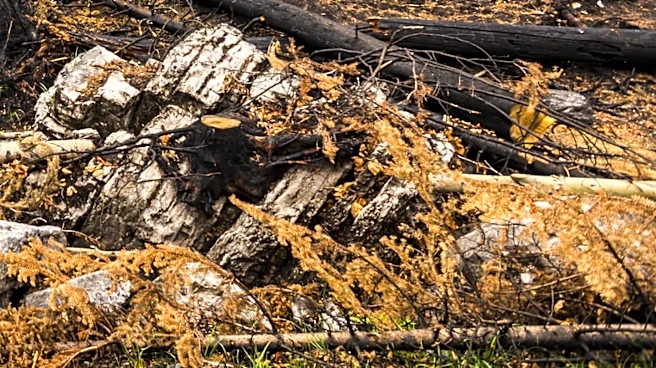
This new environmental assessment is significant because it addresses critical challenges in post-wildfire recovery, which directly impacts the health and resilience of U.S. national forests and grasslands. Expediting recovery efforts can mitigate further ecological damage, such as the spread of bark beetles and diseases that thrive on weakened trees, and reduce the risk of future wildfires by removing hazardous dead timber. Economically, faster recovery can preserve the value of salvaged timber, making it more attractive for logging contractors and supporting local mills, which in turn can fund more restoration work. Communities heavily reliant on tourism, like Stanley, Idaho, whose economy is almost entirely tourism-based, stand to benefit significantly. Prolonged recovery periods due to extensive fire damage and smoke can deter visitors, impacting local businesses. By accelerating the restoration of natural landscapes, the Forest Service aims to support both ecological integrity and the economic well-being of affected regions.
What's Next?
The USDA Forest Service will continue to implement this new national post-fire recovery environmental assessment across various national forests and grasslands affected by wildfires. The focus will be on applying the streamlined process to accelerate salvage logging, hazard tree removal, and reforestation efforts. Partnerships, such as those with state agencies through initiatives like the Good Neighbor Authority, are expected to play a crucial role in executing these projects more efficiently. For instance, the Sawtooth National Forest plans to replant 2,537 acres burned by the Wapiti Fire over four years, starting with 270 acres this year and 800 more in 2027, a timeline significantly shortened by collaborative efforts. Stakeholders, including local communities, logging companies, and environmental groups, will likely monitor the effectiveness of this expedited process in achieving timely and sustainable forest recovery while ensuring compliance with environmental regulations.
Beyond the Headlines
Beyond the immediate benefits of faster forest recovery, this new assessment reflects a broader strategic shift within federal land management agencies towards more adaptive and responsive approaches to environmental challenges. The increasing frequency and intensity of wildfires in the U.S. necessitate innovative solutions to manage post-fire landscapes effectively. This initiative highlights the recognition that traditional, lengthy bureaucratic processes can hinder critical recovery efforts, leading to compounded ecological and economic losses. It also underscores the importance of interagency cooperation and local engagement in conservation. The success of this streamlined approach could set a precedent for managing other large-scale environmental disasters, potentially influencing policy changes in how federal agencies respond to natural catastrophes. Furthermore, it emphasizes the economic interplay between forest health and local industries, demonstrating how efficient land management can create a virtuous cycle of ecological restoration and economic support for rural communities.