





What's Happening?
Philadelphia Mayor Cherelle Parker signed an executive order on Wednesday night to create a data center task force. The primary mission of this task force is to evaluate the potential impacts of large data centers on various aspects of the city, including
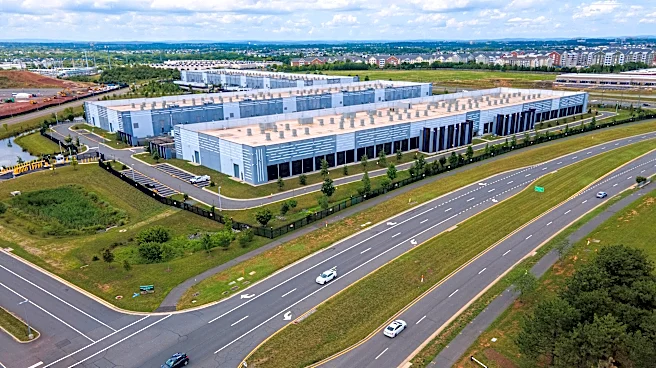
public health, safety, infrastructure, and the environment. This initiative comes as cities increasingly grapple with the growing presence and demands of large-scale technological infrastructure. The task force will likely conduct comprehensive studies and gather data to inform future policy decisions regarding the development and operation of data centers within Philadelphia. This move signifies a proactive approach by the city government to understand and mitigate any adverse effects while potentially harnessing benefits from the tech industry's expansion.
Why It's Important?
The establishment of Philadelphia's data center task force is important because it addresses a critical and evolving challenge for urban centers: balancing technological advancement with community well-being. Data centers are significant consumers of electricity and water, and their construction and operation can have substantial environmental footprints, including carbon emissions and heat generation. Furthermore, their physical presence can strain existing infrastructure, such as power grids and transportation networks. By creating this task force, Philadelphia is acknowledging the need for a structured approach to assess these impacts, potentially setting a precedent for other U.S. cities. This could lead to new regulations or guidelines for data center development, influencing how tech companies plan their expansions and operate in urban environments, and ultimately affecting the cost and feasibility of such projects.
What's Next?
The newly formed data center task force in Philadelphia is expected to commence its assessment of the impacts of large data centers on public health, safety, infrastructure, and the environment. This will likely involve a period of research, data collection, and consultation with experts, community stakeholders, and industry representatives. Following its assessment, the task force will present its findings and recommendations to Mayor Parker. These recommendations could lead to the development of new city ordinances, zoning regulations, or incentive programs designed to guide the responsible growth of data centers. The outcome could influence future investment decisions by tech companies looking to establish or expand their operations in Philadelphia, potentially shaping the city's technological landscape for years to come.
Beyond the Headlines
Beyond the immediate assessment of data center impacts, Philadelphia's initiative highlights a broader societal and ethical discussion about the hidden costs of the digital age. As reliance on cloud computing and digital services grows, so does the demand for data centers, which are often out of public view but have significant resource demands. This task force could bring greater transparency to these operations, prompting a re-evaluation of how cities integrate energy-intensive industries while pursuing sustainability goals. It also touches upon the equity of technological development, ensuring that the benefits of digital infrastructure do not come at the disproportionate expense of local communities through environmental degradation or infrastructure strain. The task force's work could contribute to a national dialogue on sustainable urban development in an increasingly digital world.