



What's Happening?
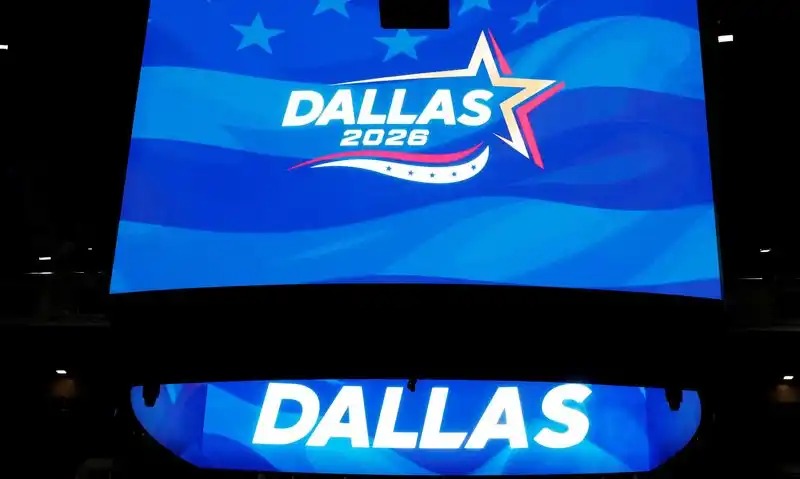
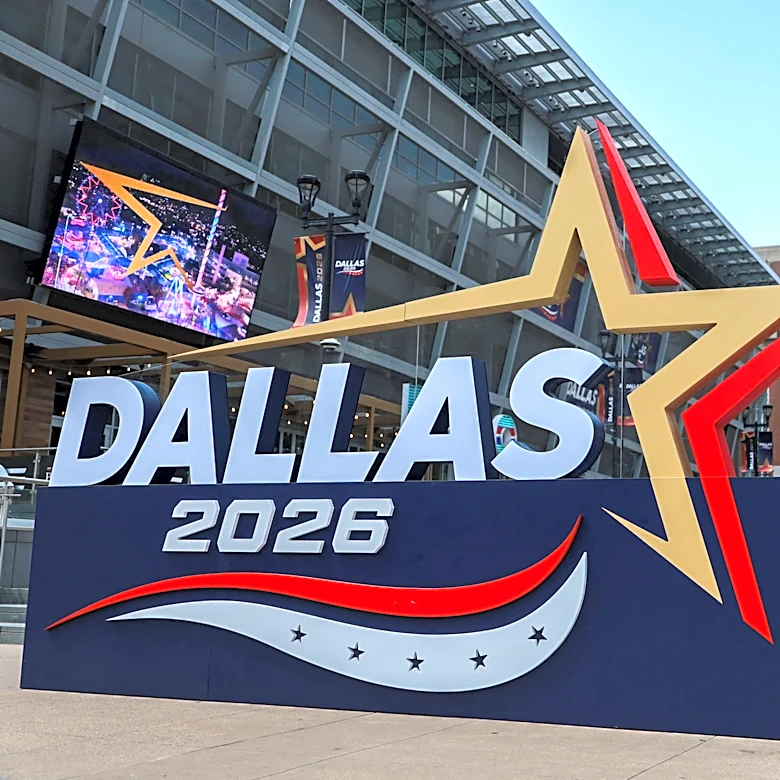
The Republican Party is holding an unprecedented Midterm Convention in Dallas, Texas, to highlight the achievements of President Trump's administration. This event, occurring less than two months before legislative elections, aims to counter President Trump's declining
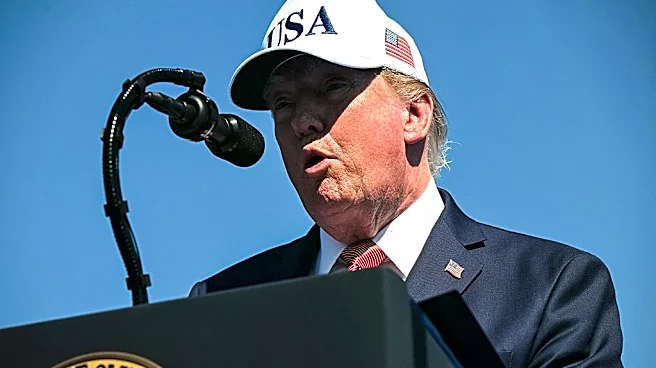
popularity, which currently stands at 36% approval nationally against 60% disapproval, according to recent polls. Jaime Flórez, Hispanic spokesperson for the Republican National Committee (RNC), stated that the convention is not a 'rescue mission' for potential electoral setbacks but rather an initiative by President Trump himself to showcase results that he believes many citizens are unaware of. These include border control, a decrease in crime rates, significant inflation control, reduced prescription drug prices, and national security efforts, particularly concerning Iran. President Trump is scheduled to participate in both days of the convention, which is the first of its kind in a non-presidential election year. The RNC aims to defy the tradition of the governing party losing seats in midterm elections.
Why It's Important?
This convention is significant as it represents a strategic effort by the Republican Party to consolidate support and influence public opinion ahead of crucial midterm elections. By focusing on President Trump's perceived accomplishments, the party aims to energize its base and persuade undecided voters, particularly in key states like Texas and Florida. The emphasis on issues such as border security, economic stability, and national defense is designed to resonate with a broad spectrum of voters. The RNC's assertion that the convention is not a 'rescue mission' underscores the party's confidence in its platform and President Trump's leadership, despite his current approval ratings. The outcome of these midterm elections will determine the balance of power in both chambers of Congress, directly impacting the legislative agenda and the ability of the current administration to enact its policies. The convention also serves as a platform to introduce Republican candidates and rally support for their campaigns, potentially shaping the political landscape for years to come.
What's Next?
The Republican Midterm Convention in Dallas will continue to feature President Trump and other prominent Republican figures, including Vice President JD Vance, who is considered a potential successor to President Trump. The party will continue to emphasize its key messages regarding immigration, the economy, and national security, aiming to sway voters before the November 3 legislative elections. The RNC anticipates that the convention will help counter the historical trend of the governing party losing seats in midterm elections. The focus on specific achievements, such as border control and inflation management, will likely be central to their campaign messaging. The party also expects to leverage President Trump's influence to support individual candidates, as he has a track record of successfully endorsing candidates in primary elections. The effectiveness of this strategy will be tested in the upcoming elections, which will determine the composition of Congress and the future direction of U.S. policy.
Beyond the Headlines
The decision to hold an unprecedented midterm convention, with President Trump's direct involvement, highlights a shift in political campaign strategies, moving beyond traditional election-year rallies. This approach suggests a more continuous campaign cycle, where a president actively campaigns for their party's candidates even in non-presidential years. The convention's focus on specific policy achievements, rather than broad ideological appeals, reflects an attempt to connect with voters on tangible outcomes. Furthermore, the RNC's dismissal of President Trump's declining approval ratings and the potential impact of issues like the conflict in Iran or changes to immigration programs, including the end of TPS for Venezuelans, indicates a strategic decision to maintain a consistent narrative. This event also underscores the ongoing debate about the influence of presidential endorsements in local and state elections, and how a president's popularity, or lack thereof, can affect the broader party's electoral prospects. The convention's location in Texas, a state with significant demographic shifts and ongoing political contests, further emphasizes its strategic importance.