





What's Happening?
President Trump's endorsements in recent Republican primaries have produced varied outcomes across several states, including Minnesota, South Carolina, and Wisconsin. In Wisconsin, Trump's endorsement helped Rep. Derrick Van Orden advance without a primary
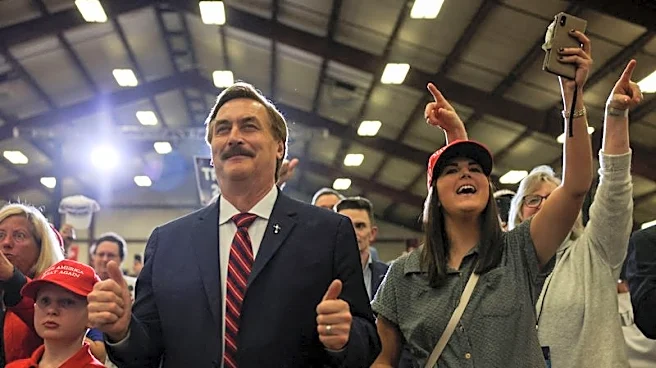
challenger in the 3rd Congressional District. Meanwhile, in Minnesota, Trump-backed candidate Mike Lindell was defeated by Minnesota House Speaker Lisa Demuth in the gubernatorial primary. In South Carolina, Darline Graham, endorsed by Trump, advanced to a runoff in a crowded Senate primary. These results highlight the mixed influence of Trump's endorsements, which have been decisive in some races but not in others.
Why It's Important?
The mixed results of Trump's endorsements in these primaries underscore the complex dynamics within the Republican Party and the varying levels of influence Trump holds in different regions. While his backing can significantly boost candidates in some areas, it does not guarantee success against well-established local candidates with strong party support. These outcomes may influence future strategies for candidates seeking Trump's endorsement and could impact the broader Republican strategy in upcoming elections. The results also reflect the ongoing debate within the party about the direction and leadership of the GOP.
What's Next?
As the general election approaches, candidates who have secured nominations with Trump's endorsement will need to balance appealing to his base while also reaching out to a broader electorate. The outcomes of these races could influence Trump's role in future elections and his potential candidacy in 2028. Additionally, the results may prompt discussions within the Republican Party about the effectiveness of relying on Trump's endorsements and the need to cultivate diverse support bases.