





What's Happening?
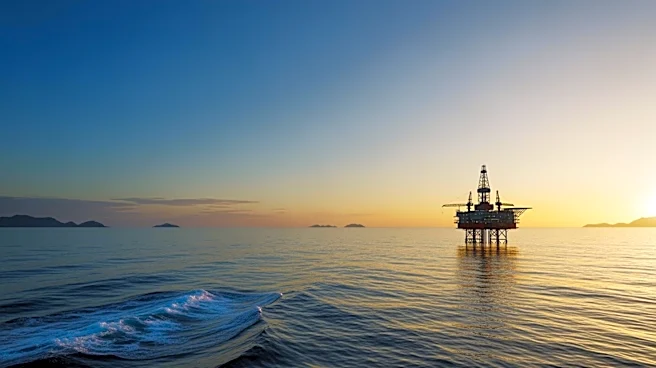
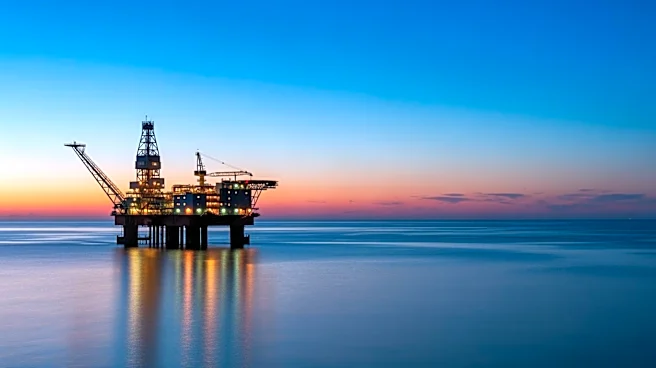
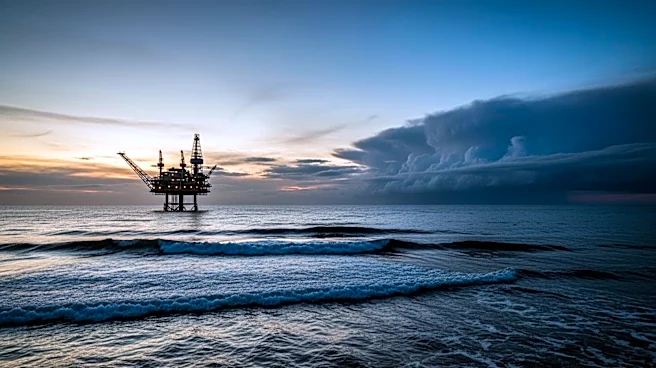
Norway has announced the reopening of several gasfields in the North Sea, including Albuskjell, Vest Ekofisk, and Tommeliten Gamma, which were closed in 1998. This decision, made by Norway's energy minister Terje Aasland, aims to address energy shortages
exacerbated by the war in Ukraine and disruptions in Middle Eastern supplies. The move has sparked criticism from environmental groups and political parties, such as the Socialist Left party, which accuse the government of 'greenwashing' and ignoring environmental advice. Despite the backlash, Norway plans to maintain and expand its offshore oil and gas production, which currently supplies a third of Europe's gas consumption. The Norwegian Offshore Directorate anticipates continued high levels of exploration and production activity well into the 2030s.
Why It's Important?
The reopening of these gasfields is significant for Europe's energy security, as Norway is a major supplier of oil and gas to the continent. The decision underscores the ongoing reliance on fossil fuels despite global efforts to transition to renewable energy sources. For Norway, the move is also economically motivated, as the oil and gas sector is a substantial contributor to the country's wealth, supporting its sovereign wealth fund and providing job security for thousands of workers. However, the decision highlights the tension between economic interests and environmental sustainability, raising questions about the long-term viability of fossil fuel dependency in the face of climate change.
What's Next?
Norway's decision may prompt reactions from environmental groups and political entities advocating for stricter environmental policies. The country may face increased pressure to balance its economic interests with environmental responsibilities. Additionally, as Europe continues to seek energy security, other nations may look to Norway's actions as a precedent, potentially influencing their own energy policies. The ongoing development of the Barents Sea as a new frontier for oil and gas exploration could further complicate the environmental debate.
Beyond the Headlines
The reopening of these gasfields could have broader implications for global energy markets, potentially affecting oil and gas prices. It also raises ethical questions about the responsibility of energy-rich nations to lead in the transition to sustainable energy. The decision may influence Norway's international reputation as a leader in environmental stewardship, challenging its commitment to climate goals. Furthermore, the move could impact Norway's domestic politics, as public opinion may sway in response to environmental concerns.