



What's Happening?
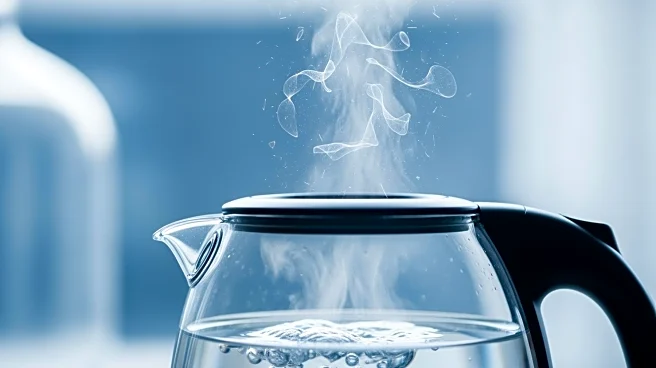
Scientists have discovered a simple method to reduce microplastics in drinking water by boiling it. This method, tested by researchers in China, involves adding nanoplastics and microplastics to both soft and hard tap water, boiling the mixture, and then
filtering out the precipitates. The process was found to remove up to 90% of nanoplastic particles, particularly in hard water, where calcium carbonate helps trap the plastics. This method is seen as a viable long-term strategy to reduce human exposure to nano/microplastics (NMPs), which are increasingly found in food and drink. The study highlights the potential health risks posed by these particles, which are not fully removed by current wastewater treatment systems.
Why It's Important?
The presence of microplastics in drinking water is a growing concern due to their potential health risks. These particles, originating from various everyday products, are durable and persist in the environment, including within human bodies. The proposed boiling method offers a practical solution that can be easily implemented in households, potentially reducing the intake of harmful microplastics. This development is significant as it provides a cost-effective and accessible way to mitigate a global health issue, especially in regions where boiling water is already a common practice. The study underscores the need for further research and regulation to address the widespread contamination of microplastics.
What's Next?
The researchers advocate for more studies to explore the effectiveness of boiling water in reducing microplastic exposure on a larger scale. They also call for increased awareness and adoption of this method globally, as plastics continue to proliferate. The findings may prompt policymakers and health organizations to consider new guidelines or recommendations for water treatment at the household level. Additionally, the study could lead to innovations in water filtration technologies and influence future environmental policies aimed at reducing plastic pollution.
Beyond the Headlines
The study raises broader questions about the long-term impacts of microplastics on human health and the environment. As microplastics have been linked to changes in gut microbiomes and antibiotic resistance, understanding their full effects is crucial. The research also highlights the limitations of current wastewater treatment systems and the need for improved technologies to address microplastic pollution. This development could drive a shift towards more sustainable practices and materials, encouraging industries to reduce plastic use and invest in biodegradable alternatives.