







What's Happening?
Federal government tariffs on imported medical supplies totaled $3.4 billion in the first six months of 2025, with over half of this amount, approximately 56%, being passed on to medical facilities, providers, and potentially consumers through higher
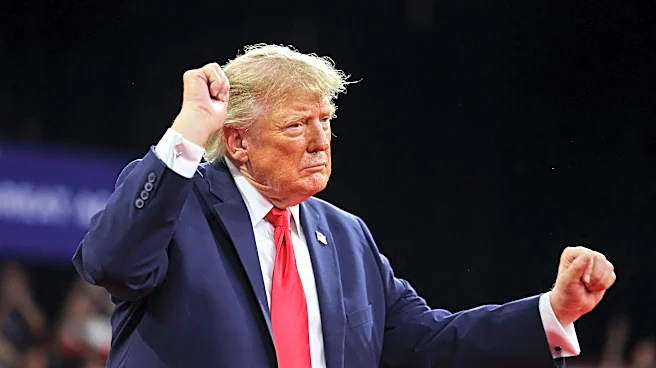
prices. This information comes from a study conducted by Georgia Tech's School of Economics and the University of California, Davis. The Food and Drug Administration estimates that about 78% of active pharmaceutical ingredient manufacturers are located outside the U.S., and imports account for nearly half of the medical devices used domestically. Experts indicate that these tariffs, implemented under President Trump, increase the cost of goods and supplies that hospitals and other providers must acquire and use, ultimately driving up the cost of care and insurance premiums. President Trump has previously defended his administration's tariffs and at times dismissed concerns about their impact on prices.
Why It's Important?
The increase in procurement costs due to tariffs could lead to a higher financial burden for patients, according to experts. Anything subject to a tariff that is part of the healthcare production process becomes more expensive, which directly contributes to rising healthcare costs and insurance premiums. This situation affects U.S. industries by increasing operational expenses for hospitals and health systems that rely heavily on global supply chains for pharmaceuticals and raw materials. For consumers, it means potentially higher out-of-pocket costs and increased insurance premiums. While tariffs may not be the sole or largest factor in rising healthcare costs, they are identified as a significant contributing element, impacting the affordability and accessibility of healthcare services across the nation.
What's Next?
The ongoing impact of these tariffs suggests continued pressure on healthcare costs in the U.S. Policymakers and purchasers are being urged to consider broader issues such as the consolidation and market dominance of corporate health insurers, which also contribute to rising prices. The Trump administration's 'most favored nation' (MFN) drug pricing agreements, which link U.S. prescription drug prices to lower prices in other developed nations, have reportedly saved Americans over $1 billion. The White House continues to work with Congress to codify these MFN deals and expand drug pricing savings. However, the direct effects of tariffs on imported medical supplies are expected to persist, influencing future healthcare spending and policy discussions.
Beyond the Headlines
The debate over tariffs on medical supplies highlights a complex interplay between trade policy, healthcare economics, and public welfare. While tariffs are often implemented with the aim of protecting domestic industries or generating revenue, their application to essential medical goods can have unintended consequences, such as exacerbating healthcare affordability crises. The reliance of the U.S. healthcare system on global supply chains means that trade policies can directly influence the cost of patient care. This situation also raises questions about the balance between economic protectionism and ensuring access to affordable healthcare, potentially prompting a reevaluation of how trade policies intersect with critical sectors like health.