



What's Happening?
Researchers have discovered that a protein found in tardigrades, known as Dsup (Damage Suppressor), can protect human cells from radiation damage. Tardigrades are microscopic creatures known for their resilience to extreme conditions, including high levels
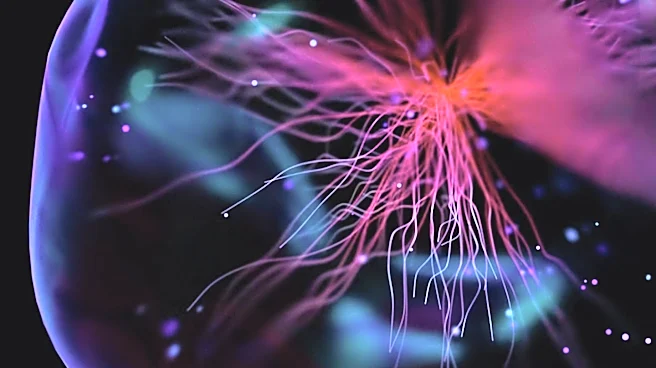
of radiation. The protein Dsup acts as a protective shield around DNA, preventing damage from ionizing particles. In experiments, human cells engineered to express Dsup showed a 40% reduction in DNA fragmentation when exposed to X-rays. This discovery opens up potential applications in medicine, particularly in reducing the side effects of radiotherapy, and in space travel, where radiation exposure is a significant concern.
Why It's Important?
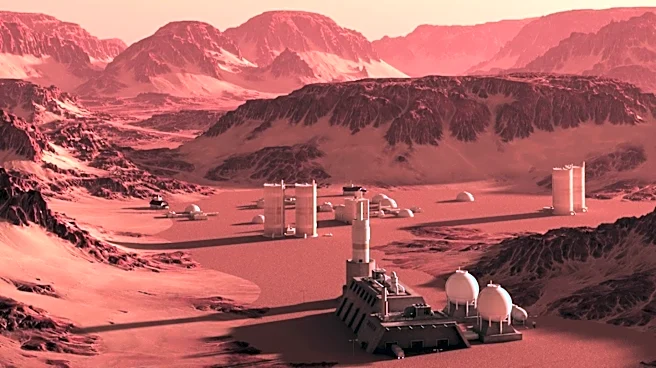
The discovery of Dsup's protective capabilities could have significant implications for both medical and space exploration fields. In medicine, Dsup could be used to protect healthy cells during radiotherapy, potentially reducing the collateral damage that often limits cancer treatment. This could improve patient outcomes and allow for more aggressive treatment of tumors. In space exploration, Dsup could help protect astronauts from the harmful effects of cosmic radiation during long-duration missions, such as a journey to Mars. This could enhance the safety and feasibility of human space travel beyond Earth's protective magnetic field.
What's Next?
Research is ongoing to explore the full potential of Dsup in practical applications. Scientists are investigating ways to deliver Dsup to human tissues effectively, possibly using mRNA technology similar to that used in COVID-19 vaccines. This approach could allow for temporary expression of Dsup in targeted tissues, providing protection during specific periods of radiation exposure. Further studies are needed to address potential challenges, such as ensuring that Dsup does not interfere with normal cellular functions or trigger immune responses. If successful, these developments could lead to clinical trials and eventual implementation in medical and space travel contexts.