






What's Happening?
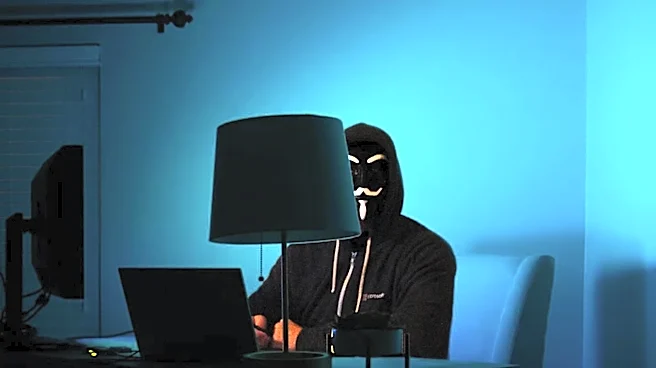
Federal prosecutors in Manhattan have charged three foreign nationals—Jacob Soall, Sharon Hazan, and Guy Sheetrit—with orchestrating a multi-year scheme that used artificial intelligence to impersonate chief executives and attorneys. The alleged fraud
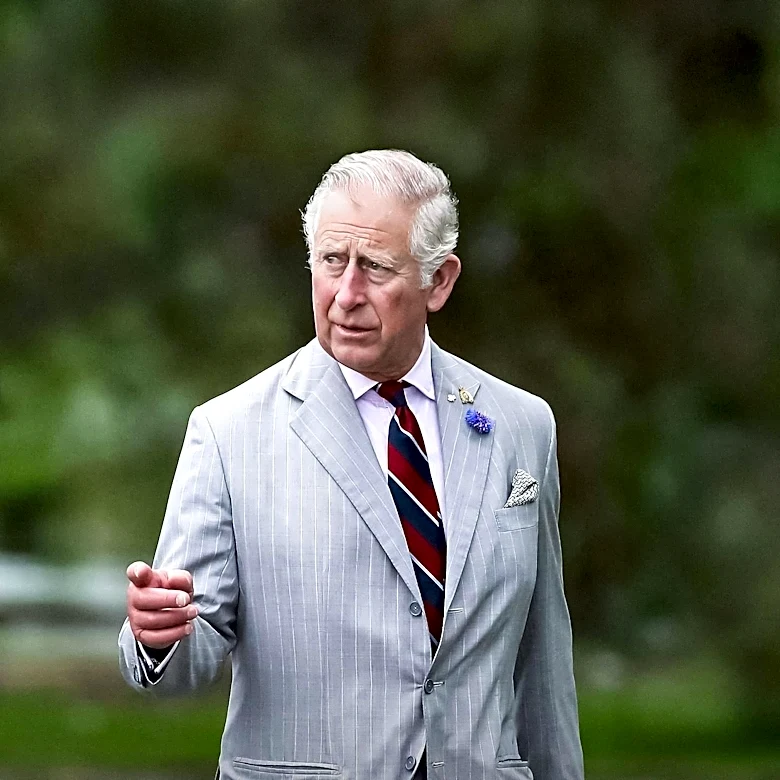
tricked employees of various companies into wiring over $129 million for fictitious confidential deals. The indictment, unsealed in the Southern District of New York, details how the conspirators initiated contact via email, often through electronic signature services like DocuSign, posing as a company's CEO seeking assistance with a secret financial transaction. Subsequent phone or video calls allegedly utilized AI to mimic the executive's voice and sometimes appearance. Employees were then directed to a purported attorney, often a real lawyer from a major European law firm whose identity was stolen, who would describe a fake acquisition and instruct where to send the funds. Once transferred, the money was converted into cryptocurrency and distributed among the participants. The defendants face multiple charges, including conspiracy to commit wire fraud, wire fraud, aggravated identity theft, and money laundering conspiracy.
Why It's Important?
This case highlights the escalating threat of AI-powered fraud to U.S. businesses and the global financial system. The alleged $129 million loss underscores the significant financial damage that sophisticated deepfake schemes can inflict, impacting corporate security and trust in digital communications. The use of AI to mimic voices and appearances makes these scams particularly difficult to detect, as they exploit human trust and bypass traditional security measures. The involvement of foreign nationals and the global reach of the scheme demonstrate the transnational nature of cybercrime, posing challenges for law enforcement and requiring international cooperation. This incident also serves as a stark warning to companies about the need for enhanced cybersecurity protocols, employee training on deepfake recognition, and robust verification processes for financial transactions, especially those initiated remotely or under unusual circumstances. The FBI's commitment to adapting its capabilities against emerging technologies reflects the growing concern among federal agencies regarding these advanced criminal tactics.
What's Next?
The three charged individuals—Jacob Soall, Sharon Hazan, and Guy Sheetrit—are currently awaiting extradition to the United States. Soall was arrested in Spain, Hazan in Spain, and Sheetrit in the United Kingdom. Once extradited, they will face trial in the Southern District of New York. Each defendant is presumed innocent until proven guilty. The legal proceedings will likely involve complex investigations into the digital footprints of the alleged scheme, including cryptocurrency transactions and AI manipulation techniques. This case may also prompt further collaboration between U.S. law enforcement agencies and international partners to combat similar cross-border cyber fraud. Additionally, the high-profile nature of this indictment could lead to increased scrutiny from regulatory bodies on corporate cybersecurity practices and potentially influence the development of new policies or technologies aimed at detecting and preventing AI-generated fraud. Businesses are expected to review and strengthen their internal controls and employee training programs to mitigate future risks.
Beyond the Headlines
This deepfake fraud case extends beyond immediate financial losses, revealing deeper implications for digital trust and the future of corporate communication. The alleged use of AI to perfectly mimic voices and appearances erodes the reliability of audio and video interactions, which are foundational to modern business operations. This could lead to a paradigm shift where companies may need to implement multi-factor authentication for even routine communications, potentially slowing down business processes. Ethically, the exploitation of trust through AI raises questions about the responsibility of AI developers to build safeguards against malicious use. Legally, prosecuting such cases across international borders presents jurisdictional challenges and highlights the need for harmonized cybercrime laws. Culturally, the increasing sophistication of deepfakes could foster a climate of skepticism, where individuals and organizations become wary of digital content, impacting how information is consumed and verified. This incident underscores the urgent need for technological advancements in deepfake detection and a collective societal effort to build resilience against digital deception.