



What's Happening?
An article in the Vermont Daily Chronicle draws a parallel between the Green New Deal and Vermont's Global Warming Solutions Act to an obsolete horse watering trough in Canaan, Vermont. The author, Guy Page, recounts a visit to Canaan where he observed
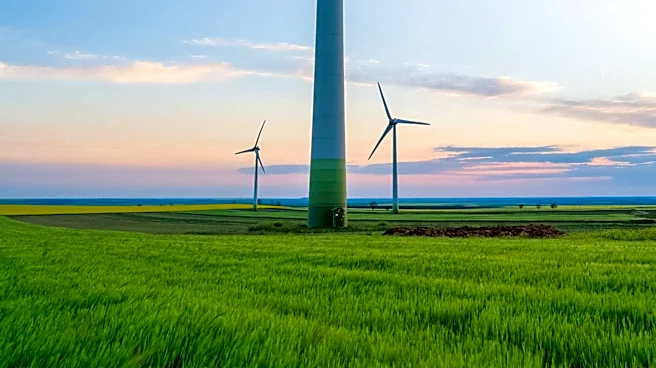
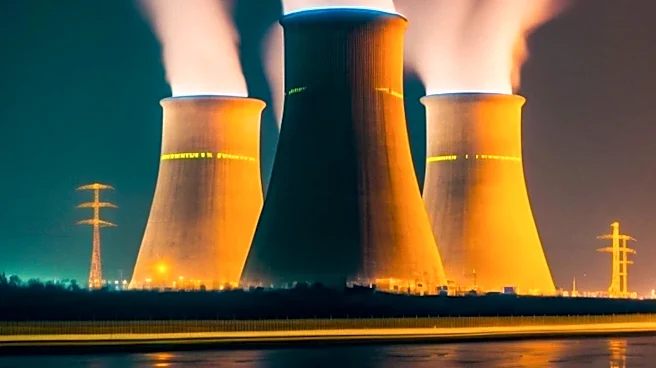
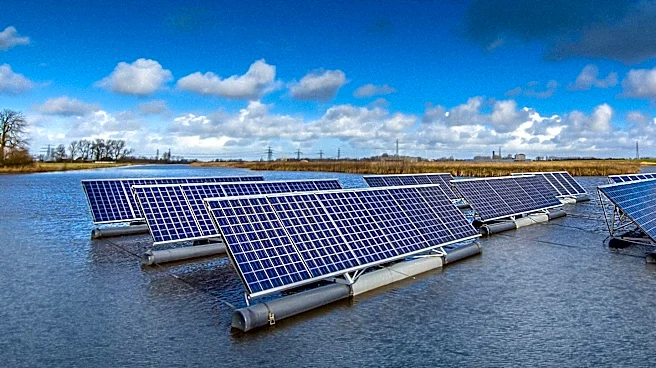
a 1903 horse trough that became irrelevant with the advent of the automobile. He argues that similarly, the Green New Deal and Vermont's climate legislation, conceived in an era of flat U.S. power demand, are becoming outdated due to a sudden surge in electricity needs driven by data centers, artificial intelligence, new factories, and the electrification of vehicles and heating. This increased demand is forcing a re-evaluation of energy strategies, potentially bringing natural gas and nuclear power back into focus, despite earlier efforts to transition solely to renewables.
Why It's Important?
This comparison highlights a critical debate within U.S. energy policy and climate action. The rapid increase in electricity demand, particularly from emerging technologies like AI and data centers, presents a significant challenge to existing renewable energy frameworks. The article suggests that policies like the Green New Deal, which primarily focused on replacing existing fossil fuel generation with renewables, may not adequately address the need for vastly increased and reliable power generation. This shift could lead to a re-evaluation of energy sources, potentially impacting investments in renewable infrastructure versus traditional or nuclear power. It underscores the economic and practical complexities of achieving ambitious climate goals while simultaneously supporting technological advancement and economic growth, affecting industries from tech to energy production.
What's Next?
The growing demand for electricity is likely to intensify discussions and policy debates regarding the U.S. energy mix. Policymakers may face pressure to consider a broader range of energy sources, including natural gas and nuclear power, to ensure grid reliability and meet the surging demand. This could lead to new legislative proposals, changes in regulatory frameworks, and increased investment in diverse energy technologies. Environmental groups and climate advocates will likely continue to push for renewable solutions, while industries with high energy consumption will advocate for reliable and affordable power. The outcome could shape the future of U.S. energy infrastructure, potentially influencing economic competitiveness and the pace of climate change mitigation efforts.
Beyond the Headlines
The analogy of the horse trough extends beyond energy policy, touching upon the broader theme of technological disruption and the need for adaptive policy-making. It suggests that even well-intentioned policies can become obsolete if they fail to anticipate or respond to fundamental shifts in societal needs and technological advancements. This situation raises ethical questions about the balance between environmental idealism and practical energy requirements for a modern, technologically driven economy. It also highlights the long-term planning challenges faced by governments in a rapidly evolving world, where unforeseen factors can quickly alter the landscape of policy effectiveness. The debate over energy sources in the face of new demand reflects a deeper tension between sustainability goals and the relentless march of technological progress.