






What's Happening?
The U.S. Treasury has issued a warning to shippers regarding the payment of tolls to Iran for passage through the Strait of Hormuz. The advisory, released by the Office of Foreign Assets Control (OFAC), highlights the risk of punitive sanctions for any
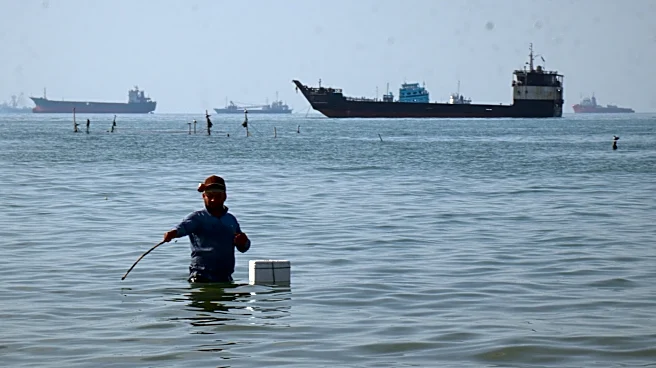
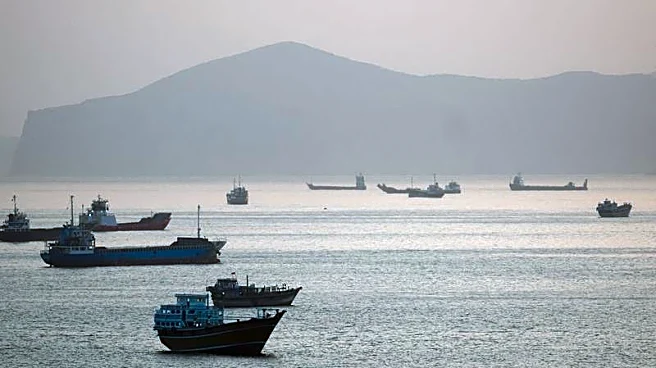
payments made to Iran, including those disguised as charitable donations. The Strait of Hormuz is a critical maritime route, with approximately 20% of the world's seaborne crude oil and liquefied natural gas passing through it. Iran has proposed fees for vessels traversing the Strait as part of its efforts to end the conflict with Israel and the United States. The Treasury's warning comes amid reports of indirect payments being made, including a $2 million payment for safe passage. OFAC has also imposed new sanctions on three Iranian foreign currency exchange houses and their associated front companies, targeting Iran's financial transactions.
Why It's Important?
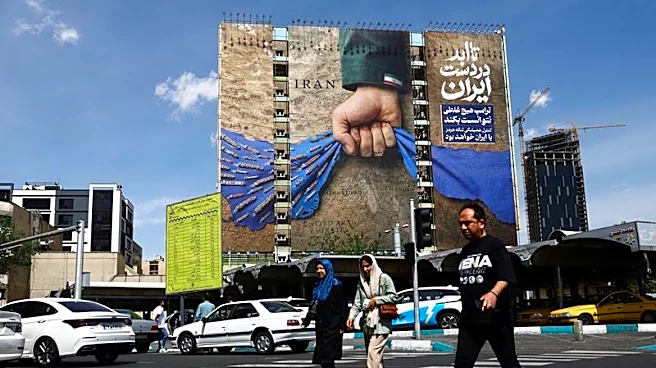
The advisory from the U.S. Treasury underscores the strategic importance of the Strait of Hormuz in global energy trade and the geopolitical tensions surrounding it. By warning against payments to Iran, the U.S. aims to maintain pressure on Tehran and prevent it from generating revenue that could support its regime. The sanctions on Iranian currency exchange houses further restrict Iran's ability to conduct international financial transactions, impacting its economy. This move is part of broader U.S. efforts to isolate Iran economically and diplomatically. The situation also highlights the delicate balance in U.S.-China relations, as China remains a major buyer of Iranian oil. Any escalation in sanctions could strain this relationship, affecting global trade dynamics.
What's Next?
The U.S. Treasury's advisory may lead to increased scrutiny of maritime transactions involving the Strait of Hormuz. Shippers and companies involved in global trade may need to reassess their strategies to avoid potential sanctions. The warning could also prompt diplomatic efforts to resolve tensions between the U.S. and Iran, possibly involving third-party mediators like Pakistan. As the situation evolves, stakeholders in the shipping and energy sectors will likely monitor developments closely, seeking clarity on safe passage through the Strait. Additionally, the U.S. may continue to impose sanctions targeting Iran's financial networks, further complicating the geopolitical landscape.