



What's Happening?
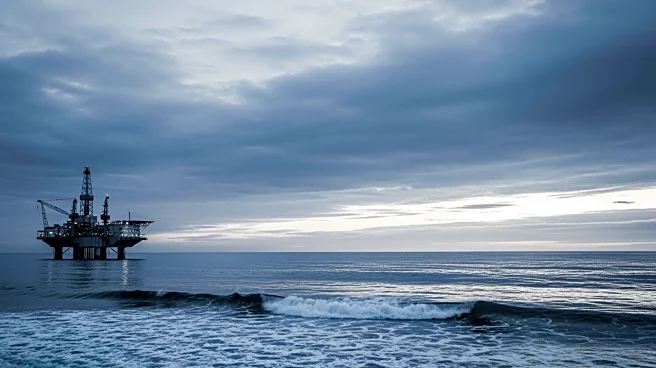
A significant public outcry has emerged against President Trump's proposed expansion of offshore drilling, which aims to increase oil and gas lease sales in the Gulf of Mexico, Alaska, and California. The 60-day public comment period concluded with nearly
300,000 Americans submitting comments opposing the plan. The opposition includes a diverse group of stakeholders such as scientists, faith leaders, businesses, and NGOs. Public actions, including town halls and community events, have been organized across the country to voice concerns. In California, notable participation from elected officials like Sen. Adam Schiff and Rep. Jared Huffman has been observed. The plan has also faced criticism from former Secretary of Defense Leon Panetta and other scholars, citing national security and environmental risks.
Why It's Important?
The proposed expansion of offshore drilling has significant implications for environmental and economic stakeholders in the U.S. Coastal economies, which generate billions in revenue and support millions of jobs, could be at risk due to potential oil spills and environmental degradation. The plan has sparked bipartisan opposition, highlighting the widespread concern over the environmental and economic impacts. The Sierra Club and other environmental organizations argue that the plan prioritizes corporate interests over public and environmental health. The expansion could also exacerbate climate change issues, as it increases dependency on fossil fuels. The opposition reflects a broader societal push towards sustainable energy solutions and the protection of marine ecosystems.
What's Next?
The Trump administration's next steps will likely involve reviewing the public comments and deciding whether to proceed with the proposed lease sales. Environmental groups and local communities are expected to continue their advocacy against the plan, potentially leading to legal challenges. The administration may face pressure to revise or halt the plan, especially given the strong public and political opposition. The outcome could influence future U.S. energy policies and the balance between fossil fuel development and environmental conservation.