



What's Happening?
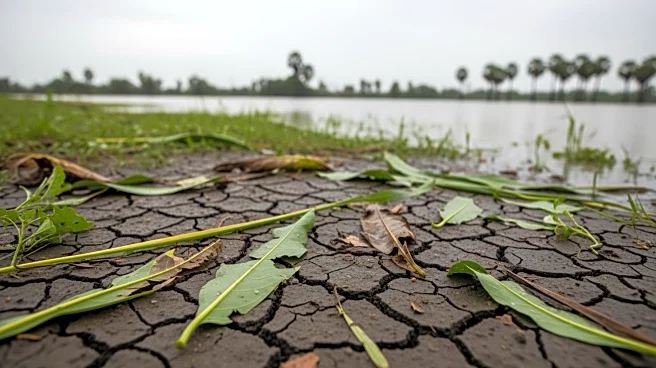
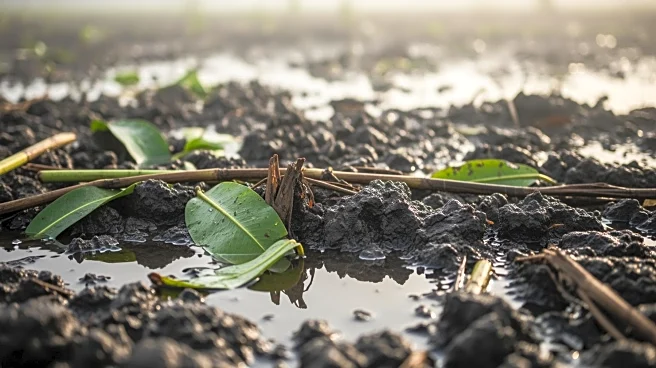
In the wake of recent floods caused by the 'Kona low' storm, Hawaii health officials are warning residents and recovery workers about the increased risk of leptospirosis. This bacterial illness, which can affect both humans and animals, is spread through
the urine of infected animals and can enter the body through broken skin or mucous membranes. Hawaii's warm, wet climate already contributes to high rates of leptospirosis, and flooding can exacerbate the spread by contaminating soil and water. Symptoms in humans include fever, headache, and jaundice, while pets may show signs of fever and lethargy.
Why It's Important?
Leptospirosis poses a significant public health risk, particularly in areas prone to flooding. The disease can lead to severe health complications if not treated promptly, highlighting the importance of awareness and early intervention. The warning from health officials underscores the need for preventive measures, such as avoiding contact with floodwaters and ensuring pets are vaccinated. The situation also emphasizes the broader challenges of managing zoonotic diseases in regions with favorable conditions for their spread.
What's Next?
Residents and pet owners in affected areas are advised to monitor for symptoms of leptospirosis and seek medical attention if necessary. Health officials may increase efforts to educate the public about the risks and prevention strategies. Veterinary services might see an uptick in consultations as pet owners seek vaccinations and advice. The response to this health alert could inform future strategies for managing similar outbreaks in Hawaii and other regions with similar environmental conditions.